Origins and Theoretical Framework
The development of VOZ SOS CAAPAZ was prompted by a critical reassessment of existing clinical practices. For years, practitioners like Ordóñez observed that traditional speech-language therapy, often focused narrowly on verbal production, frequently marginalized those who rely on multimodal communication systems. By 2025, a confluence of three specific professional influences solidified the need for a new approach.
First, the "CAAmigos Angelman" program, a virtual initiative focused on neuro-affirmative, evidence-based practices, provided a template for naturalistic and comprehensive literacy development. This program forced a professional reckoning with "ableist" therapy models that prioritize speech as the sole marker of competency. Second, the publication of Gran Blasko’s 2025 article in the ISAAC AAC journal, "Nothing About AAC Users Without AAC Users," acted as a catalyst for reform. Blasko’s call for the meaningful inclusion of non-speaking individuals in the development of the very technology they use directly informed the design of the Rionegro meetings. Finally, the adoption of "Relationship-Based Learning"—which mandates that communication partners act as co-learners rather than instructors—provided the structural foundation for the project.
Chronology of Community Engagement
The project’s implementation has followed a deliberate, phased trajectory, focusing on visibility and social integration.
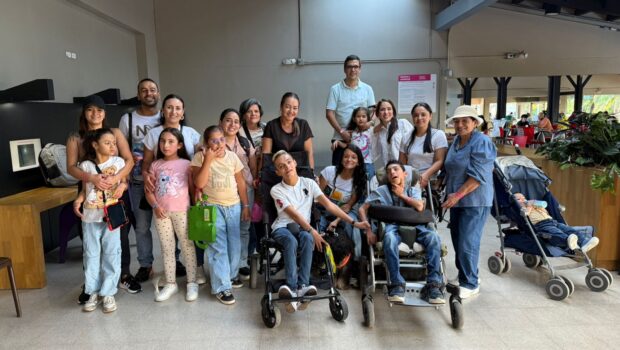
- October 2025: Marking International AAC Awareness Month, the inaugural event took place at the Comfama Rionegro park. The gathering served as a proof-of-concept for integrating AAC users into public, high-stimulation environments. The event saw the participation of six primary AAC users—utilizing diverse technologies including Td Snap, Communicator 5, Proloquo2go, and Grid 3—alongside ten family members and local observers.
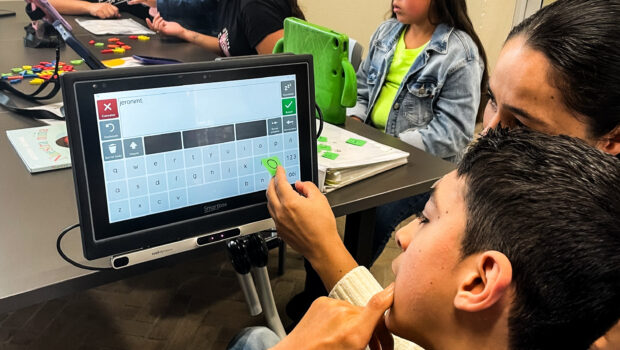
- February 2026: Following the success of the initial social mixer, the project pivoted toward educational outcomes with a shared reading session held at a public library in Rionegro. Utilizing Erin Sheldon’s model of Comprehensive Literacy, the session focused on exposing users at an "emergent" level to print knowledge through meaningful, guided interaction.
Data and User Demographics
The demographics of the project reflect a diverse spectrum of AAC reliance. Data from the initial gatherings indicates that participants range from those using high-tech eye-tracking devices to those using tablet-based communication software. The inclusion of family members—parents and siblings—is a mandatory component of the model, recognizing that the efficacy of an AAC system is contingent upon the environment’s ability to respond to it.
Official feedback from participants underscores the social isolation that many of these individuals face in standard educational or public settings. Pablo Andrés Calderón Gómez, an attendee and Tobii eye-tracking user, noted following the October session that while he valued the opportunity to meet peers, there remains a critical deficit in the number of individuals with access to these communicative rights. His statement serves as both an endorsement of the VOZ SOS CAAPAZ model and a broader indictment of the lack of societal support for non-speaking citizens in the region.
The Shift Toward Comprehensive Literacy
A primary objective of VOZ SOS CAAPAZ is the democratization of literacy. For non-speaking individuals, access to reading and writing has historically been limited by the assumption that cognitive development is tied to oral speech. By implementing the "Comprehensive Literacy" model, the project challenges this "ceiling" effect. The focus is on providing high-quality, frequent exposure to texts in a social setting, rather than treating literacy as a discrete skill to be mastered in isolation.
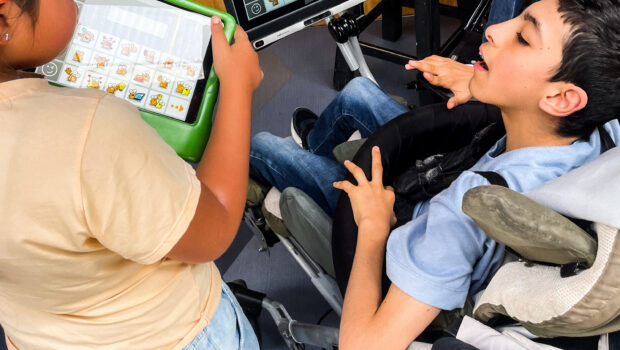
The project operates under the principle of "presuming competence," a neuro-affirming stance that assumes all participants have the capacity to learn and communicate, regardless of the physical or technological modalities they employ. As Ordóñez points out, the role of the therapist is not to be the "voice" of the user, but rather to facilitate the access and tools necessary for the individual to project their own existing voice.
Broader Implications for Clinical Practice
The implications of the VOZ SOS CAAPAZ initiative extend beyond the borders of Antioquia. The project acts as a critique of the "clinical-only" model that dominates much of Latin American speech pathology. By moving into public spaces—parks, libraries, and community centers—the initiative forces the general public to confront and normalize the presence of individuals using AAC systems.
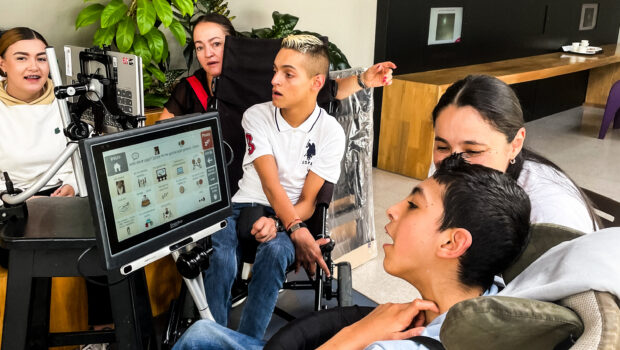
This visibility is essential for the long-term goal of social inclusion. When communication partners, including therapists and families, consistently model AAC use in real-world contexts, they are effectively dismantling the stigma associated with non-verbal communication. Furthermore, the project’s emphasis on "horizontal relationships" suggests that the future of AAC intervention lies in collaborative, peer-led networks where users can share strategies and experiences.
Future Projections and Sustainability
As the project enters its second year, the focus has shifted toward institutional sustainability. The current model involves monthly Saturday morning sessions, a frequency that organizers hope to increase as more participants join and as the project identifies additional accessible public spaces.
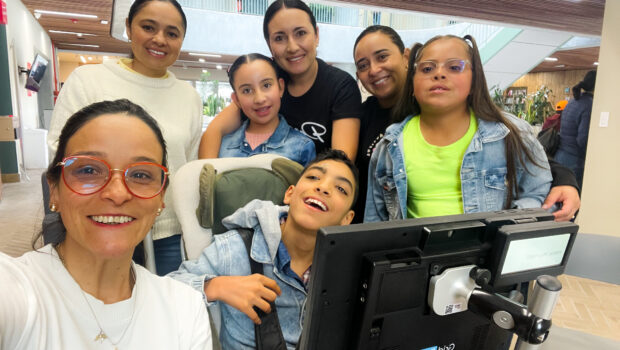
The logistical burden of these meetings is shared between the clinical lead and the families, creating a sustainable, community-driven ecosystem. The success of these meetings in Rionegro provides a blueprint that could be replicated in other Colombian municipalities. However, the project lead emphasizes that for this model to scale, there must be a fundamental change in how the professional community views its role. Therapists must be willing to transition from the role of "clinical expert" to "communication partner," a role that requires continuous training and a humble willingness to learn from the users themselves.
Conclusion
VOZ SOS CAAPAZ stands as a significant case study in the empowerment of non-speaking individuals through social and educational integration. By aligning with global neuro-affirming movements and prioritizing the lived experience of AAC users over traditional clinical dictates, the project is establishing a new standard for how communication rights are exercised in Colombia. As the initiative continues to expand, it remains a vital example of how theory, when applied with an emphasis on human connection and genuine autonomy, can dismantle systemic barriers to communication and literacy. The project serves as a reminder that the goal of AAC is not merely to "fix" a communication deficit, but to ensure that every individual has the agency and the tools to participate fully in the public square.