
The Evolution of Digital Accessibility Standards in the UK
The focus on digital accessibility within the UK government has intensified significantly since the introduction of the Public Sector Bodies (Websites and Mobile Applications) (No. 2) Accessibility Regulations 2018. These regulations mandate that all public sector websites and mobile applications must be perceivable, operable, understandable, and robust. To meet these legal requirements, frontend developers have had to pivot from purely aesthetic or functional concerns to a philosophy of "inclusive by default."
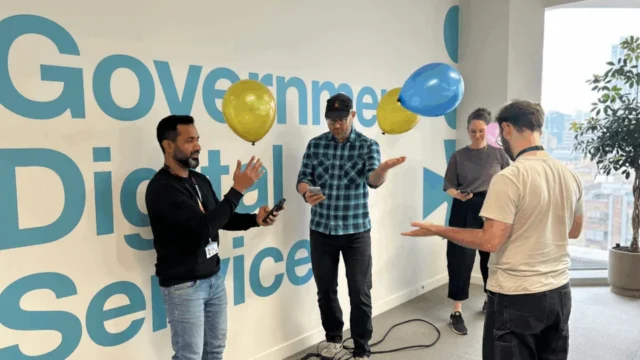
The "Unlocking Accessibility" series serves as a knowledge-sharing platform to bridge the gap between technical implementation and user experience. By interviewing specialists from diverse departments, GDS aims to standardize the approach to web standards across the Civil Service. This initiative comes at a time when digital services are the primary, and sometimes only, point of contact for citizens accessing essential services, ranging from universal credit to healthcare and housing support.
Semantic HTML: The Structural Bedrock of Inclusion
At the heart of the discussion is the concept of semantic HTML—the practice of using HTML elements that convey the meaning and purpose of the content they contain. Dilwoar Hussain, Lead Frontend Developer at the Ministry of Housing, Communities and Local Government, explains that while generic elements like <div> and <span> are visually versatile, they provide no information to assistive technologies. In contrast, semantic tags such as <nav>, <button>, and <header> act as a roadmap for screen readers and search engines.
James Gordon, Senior Frontend Developer at the Department for Work and Pensions, highlights a common pitfall in modern web development: the "faux-link." He notes that developers often use images or generic text with JavaScript click events to mimic links, which may work for sighted users but leaves screen reader users in the dark. By using the semantic <a> tag, developers ensure that the browser and assistive technology understand the element’s interactive nature without requiring custom workarounds.
The technical analysis provided by Michael Cheung of NHS England and Holly Blues of DWP Digital suggests that semantic HTML provides "accessibility for free." When developers use the correct tags, the browser automatically provides the necessary keyboard focusability and ARIA (Accessible Rich Internet Applications) roles. This reduces the need for complex, bug-prone code and ensures a consistent experience across different browsers and devices.
The "Shift Left" Philosophy: Accessibility from the First Line of Code
A recurring theme among the interviewed developers is the "shift left" approach—the practice of considering accessibility during the earliest stages of development rather than as a final audit. David Biddle, a Frontend Developer at GDS, argues that thinking about how a feature should work in different assistive technologies during the design phase prevents costly and difficult retrofitting later.
The developers emphasized several key strategies for ensuring day-one accessibility:
- Strict Adherence to WCAG Standards: Following the Web Content Accessibility Guidelines (WCAG) 2.2 ensures that color contrast, heading structures, and alt text are handled systematically.
- Keyboard-First Development: Ensuring that every interactive element can be navigated using only a keyboard is a fundamental test of code quality.
- Utilization of Proven Design Systems: The GOV.UK Design System and the NHS Design System provide pre-tested, accessible components. These systems allow developers to focus on unique service logic while knowing that the UI "building blocks" meet high standards of inclusivity.
Holly Blues noted that at DWP Digital, accessibility is a shared responsibility across the entire team, from Product Owners to Quality Assurance testers. This holistic approach ensures that accessibility requirements are defined in the user stories before a single line of code is written.
Navigating the Complexity of Dynamic Content and Interactivity
As web applications become more interactive, maintaining accessibility becomes significantly more complex. Features like modals, carousels, and accordions—often referred to as "dynamic content"—can easily disorient users if not handled correctly.

Dilwoar Hussain pointed to the accordion component as a prime example of complex interaction. To make an accordion accessible, developers must manage "focus" and state. Using the aria-expanded attribute is essential; it tells a screen reader user whether a section is currently open or closed. Furthermore, the use of aria-controls creates a programmatic link between the toggle button and the content it reveals.
The developers also championed the principle of "progressive enhancement." This strategy ensures that the core content of a website is accessible even if JavaScript fails to load or is disabled. In the case of an accordion, a progressive enhancement approach would involve showing all content by default and only hiding it into collapsible sections once the JavaScript has successfully initialized. This ensures that users on older devices or slow connections are not barred from accessing information.
David Biddle highlighted the emergence of new semantic elements like <dialog> for modals. Historically, creating an accessible modal required complex JavaScript to "trap" the user’s focus within the popup. The native <dialog> element simplifies this, providing built-in focus management and keyboard support, illustrating how evolving web standards are making it easier for developers to build accessible interfaces.
Supporting Data: The Global Context of Web Accessibility
The emphasis on accessibility within the UK government reflects a broader global necessity. According to the 2024 "WebAIM Million" report—an annual accessibility audit of the top one million homepages—95.9% of homepages had detectable WCAG 2 failures. The most common issues were low-contrast text (81%), missing image alt text (54.5%), and empty links (44.6%).
By prioritizing semantic HTML and native browser features, UK government developers are directly addressing these industry-wide failures. The data suggests that over-reliance on complex frameworks and "extra" plugins often introduces more accessibility barriers than it solves. The "Keep It Simple" principle advocated by James Gordon is backed by evidence showing that sites using standard HTML structures are significantly more likely to pass accessibility audits than those relying on custom-built, JavaScript-heavy components.
Official Responses and Strategic Impact
The GDS initiative has received positive feedback from across the Civil Service, with many departments adopting these insights into their internal development manuals. The Ministry of Housing, Communities and Local Government and the DWP have both reported that using standardized, semantic components has reduced the time spent on accessibility remediation during the QA phase.
A spokesperson for the Government Digital Service noted that the goal of these discussions is to foster a culture of "continuous improvement." By sharing the "why" behind technical choices—such as why a button should always be a <button> and not a <div>—GDS is building a more skilled and empathetic workforce.
Broader Implications for the Digital Economy
The implications of this frontend developer consensus extend beyond the public sector. As the UK government sets the standard for digital inclusion, private sector organizations are increasingly looking to the GDS Design System as a blueprint for their own platforms.
The benefits of the "semantic-first" approach are three-fold:
- Improved SEO: Search engines use the same structural cues as screen readers to index content, meaning accessible sites often rank higher.
- Enhanced Performance: Semantic HTML is lightweight compared to JavaScript-heavy alternatives, leading to faster load times and better performance on mobile devices.
- Future-Proofing: Code that adheres to standard HTML specifications is more likely to remain functional as browsers and assistive technologies evolve.
In conclusion, the "Unlocking Accessibility" series reaffirms that the future of the web lies in its foundations. By returning to the core principles of semantic HTML and embracing a proactive, inclusive development cycle, frontend developers are doing more than just meeting legal requirements—they are ensuring that the digital world remains open to everyone, regardless of how they navigate it. As Dilwoar Hussain aptly summarized, choosing the right building blocks is the first and most important step in building a better internet for all.