Early Intervention and the Foundation of Success
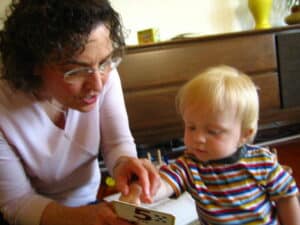
Wendorf’s path began in earnest at six months old when he enrolled in the Listen and Talk program. This organization, which specializes in auditory-verbal therapy, played a critical role in his development. By utilizing the Blended Classroom PreK model, Wendorf was able to hone the communication skills necessary to navigate a world primarily designed for hearing individuals.
Early intervention for children with hearing impairment is statistically proven to alter developmental outcomes. According to the Joint Committee on Infant Hearing (JCIH), children who receive diagnosis and intervention before six months of age demonstrate significantly higher language development scores than those identified later. Wendorf’s experience underscores the efficacy of these programs; by the time he transitioned into primary education, he possessed the linguistic tools to participate in mainstream settings, setting the stage for his later accomplishments in the performing arts.
A Rare Genetic Discovery
While Wendorf’s hearing loss was addressed early, the underlying etiology remained unknown for over a decade. At the age of 12, the Wendorf family received a definitive diagnosis: Barakat Syndrome, also known as HDR syndrome.
Barakat Syndrome is a rare, autosomal dominant genetic condition characterized by a specific triad of clinical findings: Hypoparathyroidism, sensorineural Deafness, and Renal (kidney) disease. The condition is caused by haploinsufficiency of the GATA3 gene, which is essential for the development of the parathyroid glands, the inner ear, and the kidneys. The rarity of the condition—with only a few hundred cases documented in medical literature—means that many families spend years without a clear understanding of their child’s health profile.
For the Wendorf family, this diagnosis provided not just a label, but a roadmap for long-term health management. Understanding the genetic nature of the disorder allowed for targeted monitoring of his renal and endocrine health, ensuring that his hearing loss was treated within the broader context of a systemic genetic condition.
Developing a Fearless Spirit: From Sports to the Stage
Wendorf’s upbringing was marked by a proactive engagement with the world. Rather than retreating, he pursued a diverse array of activities, from competitive sports to the high-stakes environment of the performing arts. This "fearless" approach, as described by those who mentored him, became his hallmark.
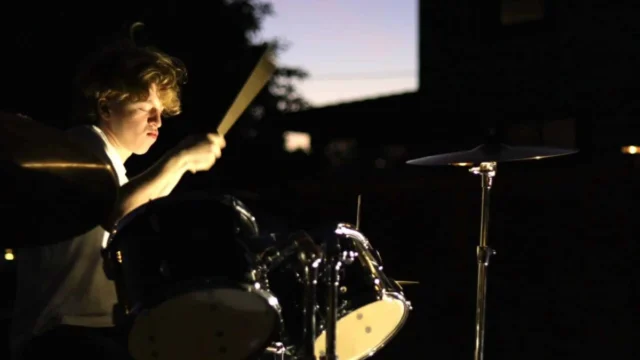
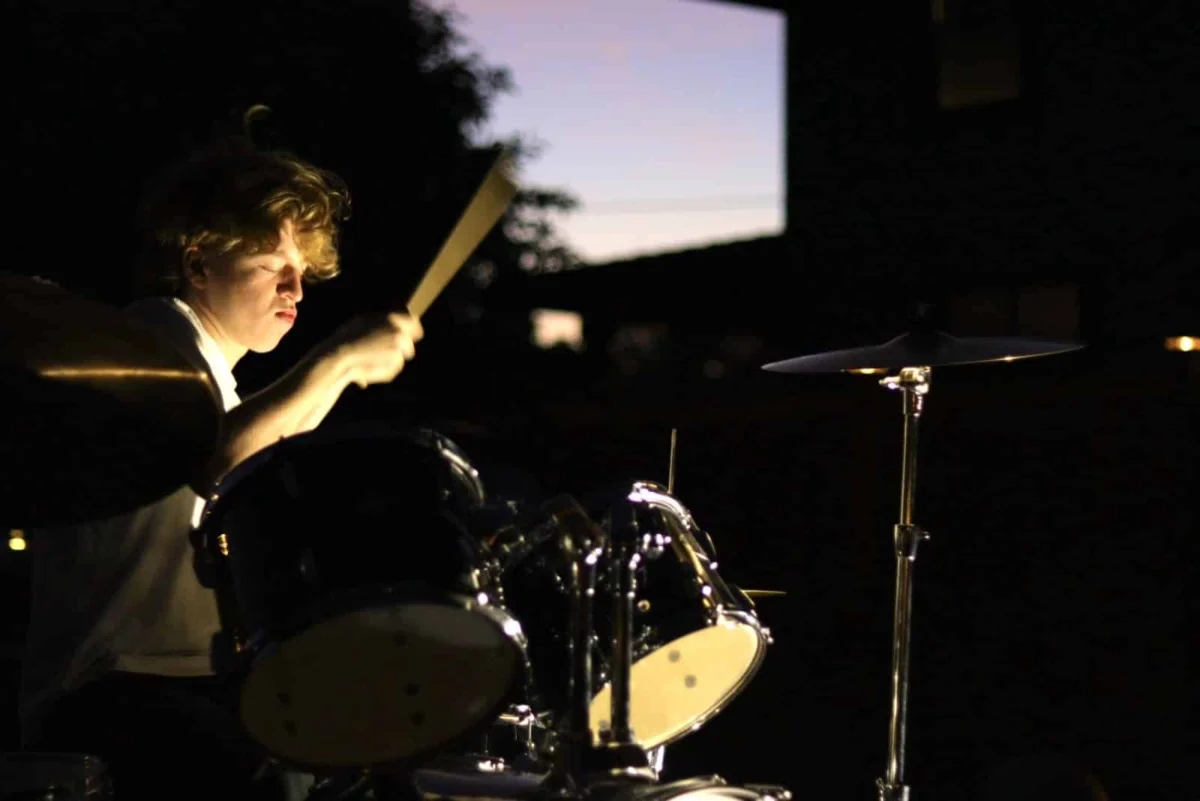
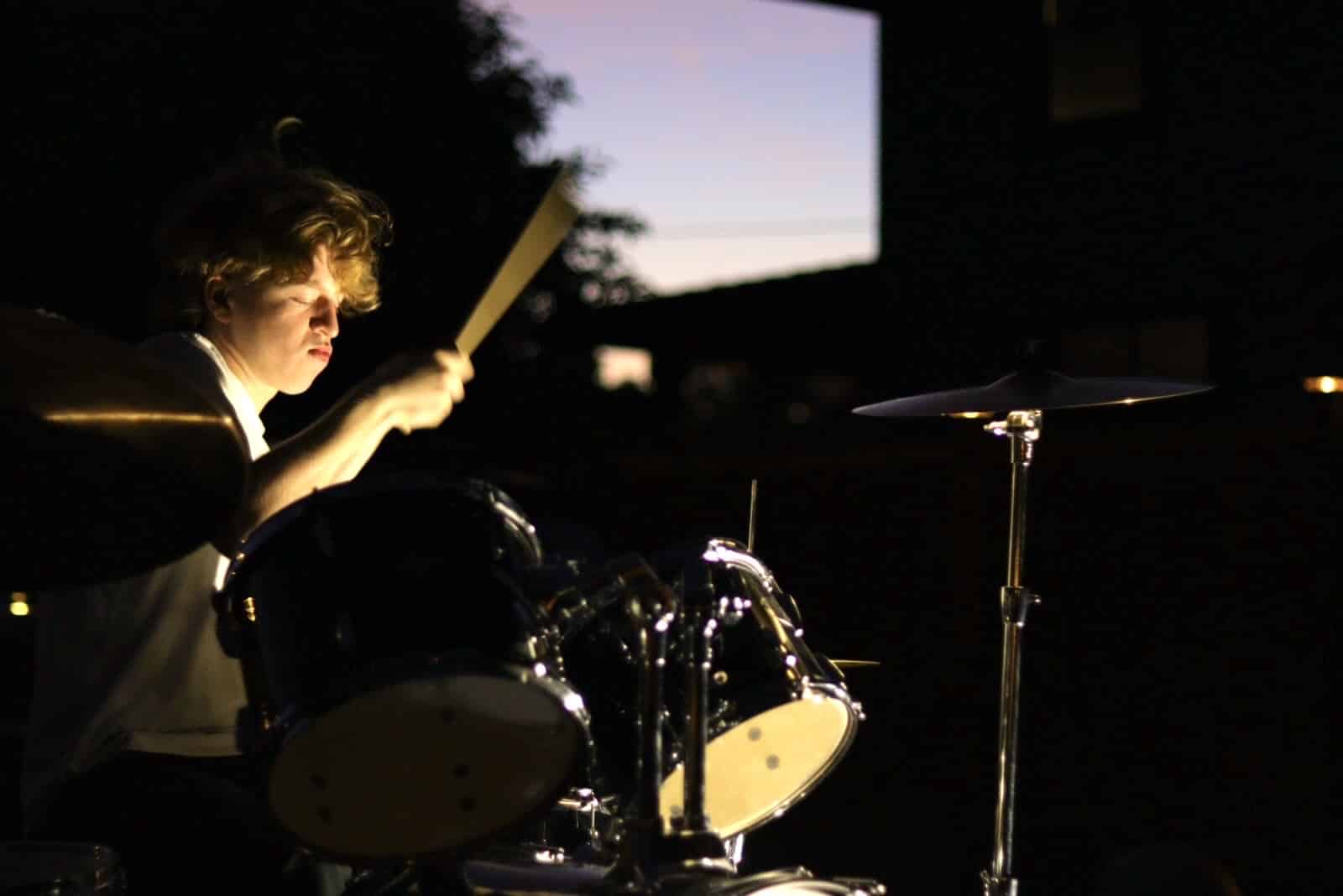
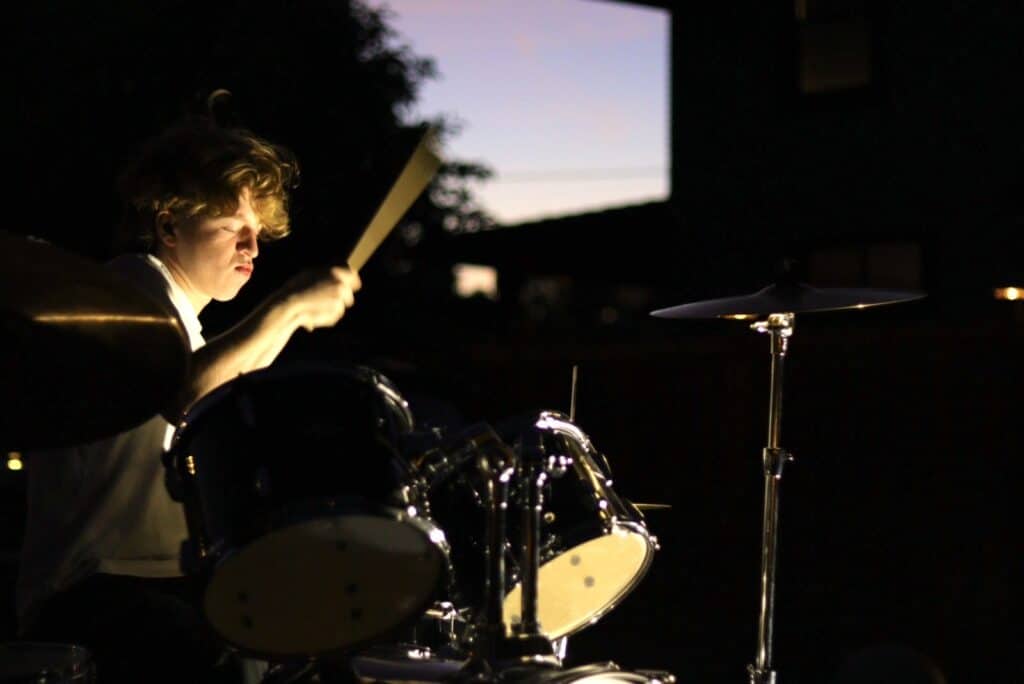
His interest in the performing arts proved to be a transformative outlet. Wendorf participated in numerous stage productions, eventually securing lead roles that required not only memorization and character work but also the ability to navigate complex soundscapes—a task that required him to rely on the communication foundation built during his formative years. Beyond acting, he independently mastered the drums and guitar, demonstrating a sophisticated relationship with rhythm and sound that transcends his sensory limitations.
Transitioning to Professional Pursuits
Following his graduation from Renton High School in June 2024, Wendorf relocated to Los Angeles to translate his lifelong passion into a professional career. His transition from a supportive educational environment to the competitive landscape of the California arts scene represents a significant milestone for alumni of early intervention programs.
In reflecting on his journey, Wendorf emphasizes the importance of community and representation. "Listen and Talk showed me that in a world where it feels like there aren’t many people like me, I am not alone," Wendorf said. "Even if it feels like no one else is going through what I go through, I take comfort knowing that there are others successfully pursuing their dreams too."
The Role of Advocacy and Parental Support
The success of individuals like Wendorf is rarely a solo endeavor. His parents have played a pivotal role in his development, advocating for his needs while fostering an environment of independence. They note that watching their son transform into a risk-taker who creates his own opportunities has been a defining experience.
"We are forever grateful for Listen and Talk and the role they played in developing his grounded sense of self, and the skills with which he advocates and communicates in a hearing world," his parents stated. This sentiment highlights a critical, often overlooked aspect of pediatric hearing loss: the development of self-advocacy. For the deaf and hard-of-hearing community, the ability to articulate one’s needs, request accommodations, and navigate social environments with confidence is as vital as the technical ability to hear.
Broader Implications: The "No Child is Limited" Vision
The Listen and Talk organization continues to emphasize the mantra that "no child is limited by hearing loss." This philosophy is supported by evolving technologies—such as advanced cochlear implants and hearing aids—and pedagogical strategies that emphasize auditory-verbal therapy. However, as the Wendorf case illustrates, technology is only one component of a much larger success equation.
The current economic landscape for non-profit organizations providing these services is increasingly dependent on alumni and community support. The ongoing Alumni Family Giving Campaign serves as a vital artery for such programs, ensuring that the next generation of children diagnosed with hearing loss has access to the same specialized services that allowed Wendorf to flourish.
Fact-Based Analysis of Future Trends
As more children with genetic conditions like Barakat Syndrome receive early diagnoses, the medical and educational communities are shifting toward more integrated care models. Future developments in gene therapy may one day address the underlying causes of conditions like GATA3 deficiencies, but for the present, the focus remains on adaptive success.
Wendorf’s story provides a tangible case study for the success of integrated education. By combining early medical intervention, specialized language development, and the encouragement of creative pursuits, the cycle of dependency is broken. As Wendorf continues his career in Los Angeles, he serves as a living metric of the long-term impact of early intervention. His ability to navigate the complexities of the entertainment industry while managing a rare genetic condition provides a compelling narrative for the potential of children who are deaf or hard of hearing to contribute meaningfully to society.
Conclusion
The trajectory of Kai Wendorf’s life, from his initial diagnosis at four months to his current professional pursuits in Los Angeles, serves as a testament to the resilience of the human spirit when bolstered by appropriate support systems. By facing his challenges with a commitment to his own growth, he has moved beyond the labels of his diagnosis. His story remains an essential reference for families navigating similar paths, illustrating that with the right foundation, the limitations once associated with hearing loss can be systematically dismantled. The ongoing work of organizations like Listen and Talk remains crucial in ensuring that these stories of success continue to be the norm rather than the exception.