
Published: August 24, 2026
Author: Dr. Yi Ge, MED-EL
Retrocochlear hearing loss represents a complex category of auditory impairment that deviates from more common forms of hearing loss originating within the cochlea. While cochlear hearing loss directly impacts the intricate sensory hair cells and structures of the inner ear responsible for converting sound vibrations into electrical signals, retrocochlear hearing loss signifies a disruption occurring after these initial signals have been generated. This means that while the ear itself might be capable of detecting sound, the subsequent transmission and processing of that auditory information to the brain are compromised. This article aims to provide a comprehensive overview of retrocochlear hearing loss, exploring its nuances, symptoms, diagnostic approaches, potential causes, and management strategies, offering a clearer understanding of this often-misunderstood condition.
The Anatomy of Auditory Signal Transmission
To fully grasp retrocochlear hearing loss, it is essential to understand the pathway sound signals take from the environment to our perception. Sound waves enter the ear canal, vibrate the eardrum, and are amplified by the ossicles in the middle ear. These vibrations are then transmitted to the cochlea in the inner ear. Within the cochlea, specialized hair cells convert these mechanical vibrations into electrochemical signals. These signals are then transmitted via the auditory nerve (also known as the cochlear nerve or cranial nerve VIII) to the brainstem. From the brainstem, the signals ascend through various auditory pathways in the brain, ultimately reaching the auditory cortex in the temporal lobe, where they are interpreted as sound and meaning. Retrocochlear hearing loss specifically targets the auditory nerve and the initial segments of these neural pathways in the brainstem.
Differentiating Retrocochlear from Cochlear Hearing Loss
The distinction between cochlear and retrocochlear hearing loss is crucial for accurate diagnosis and effective treatment. Cochlear hearing loss, a subset of sensorineural hearing loss, arises from damage or degeneration within the cochlea. This can be due to aging (presbycusis), noise exposure, genetic factors, certain medications (ototoxicity), or infections. The primary issue in cochlear hearing loss is the ear’s reduced ability to detect or transduce sound.
In contrast, retrocochlear hearing loss occurs when the auditory nerve or the auditory pathways in the brainstem are affected. The cochlea may be functioning adequately, but the "wiring" that carries the signal to the brain is impaired. This can lead to a distortion or loss of the auditory message, even if the sound intensity is sufficient.

A key difference lies in the clarity of the transmitted signal. While individuals with cochlear hearing loss often experience sounds as being quieter or muffled, those with retrocochlear issues may report that sounds are perceived at a normal or even loud volume, yet words remain unclear and difficult to decipher, particularly in noisy environments.
Table: Key Differences Between Cochlear and Retrocochlear Hearing Loss
| Feature | Cochlear Hearing Loss | Retrocochlear Hearing Loss |
|---|---|---|
| Location of Problem | Within the cochlea (inner ear) | Auditory nerve or proximal brainstem pathways |
| Signal Transmission | Difficulty in detecting or transducing sound | Sound detected, but signal transmission to the brain is impaired or distorted |
| Speech Understanding | Often difficult, especially in noise; sounds muffled | Disproportionately poor speech understanding, even with adequate perceived loudness; words unclear |
| Common Symptoms | Muffled sounds, difficulty hearing certain frequencies, trouble in noise | Unilateral or asymmetric hearing loss, poor speech clarity, tinnitus, dizziness, balance issues, facial numbness |
| Potential Causes | Aging, noise exposure, ototoxicity, genetics, infections | Tumors (e.g., vestibular schwannoma), neurological conditions (e.g., MS), vascular issues, trauma |
| Diagnostic Tools | Audiometry, tympanometry, otoacoustic emissions (OAEs) | Audiometry, speech testing, Auditory Brainstem Response (ABR), MRI scans |
| Treatment Focus | Hearing aids, assistive listening devices, cochlear implants (in severe cases) | Addressing the underlying cause (e.g., surgery for tumors), hearing rehabilitation, specialized auditory devices |
Manifestations of Retrocochlear Hearing Loss: Recognizing the Symptoms
The symptoms of retrocochlear hearing loss can be subtle or pronounced, often varying significantly depending on the specific cause and the extent of nerve or pathway involvement. Early recognition is vital for timely intervention and management.
Key symptoms that may indicate retrocochlear hearing loss include:
- Unilateral or Asymmetric Hearing Loss: Experiencing a noticeable difference in hearing ability between the two ears is a significant red flag. This can manifest as hearing significantly better in one ear than the other, or a rapid progression of hearing loss in one ear.
- Difficulty Understanding Speech: This is a hallmark symptom. Individuals may report that while they can hear sounds, the clarity of speech is severely compromised. Words may sound garbled, indistinct, or "mushy," making conversations challenging, especially in environments with background noise. The ability to distinguish between similar-sounding words can be particularly impaired.
- Tinnitus: The perception of ringing, buzzing, or other noises in the ear or head, which is not caused by an external sound, can be a symptom. Tinnitus can be a sign of nerve irritation or damage.
- Dizziness and Balance Problems: The auditory nerve also plays a role in balance through its connection to the vestibular system. Impairment of the auditory nerve, particularly in cases of vestibular schwannoma, can lead to sensations of vertigo, unsteadiness, or general balance issues.
- Facial Numbness or Weakness: In cases where tumors or other lesions compress the auditory nerve, they may also affect adjacent cranial nerves, including the facial nerve. This can result in numbness, tingling, or even visible weakness in the facial muscles.
- A Sensation of Fullness in the Ear: Some individuals may report a feeling of pressure or blockage in the affected ear.
It is important to note that not all individuals will experience all of these symptoms, and their severity can differ. The insidious onset of some of these signs can lead to delayed diagnosis, underscoring the importance of consulting a healthcare professional if any of these concerns arise.
Unraveling the Causes: From Tumors to Neurological Conditions
The underlying causes of retrocochlear hearing loss are diverse, ranging from localized growths to systemic neurological disorders. Identifying the root cause is paramount, as it directly dictates the treatment strategy.

1. Tumors:
- Vestibular Schwannoma (Acoustic Neuroma): This is the most common cause of retrocochlear hearing loss. It is a benign (non-cancerous) tumor that arises from the Schwann cells of the vestibular nerve, which is intimately associated with the auditory nerve. As the tumor grows, it compresses the auditory nerve, leading to progressive hearing loss, tinnitus, and balance disturbances. While typically slow-growing, larger tumors can affect nearby cranial nerves, including the facial nerve.
- Other Brain Tumors: Less commonly, other tumors affecting the brainstem or cerebellopontine angle (the area where the auditory and vestibular nerves exit the brainstem) can also lead to retrocochlear hearing loss.
2. Neurological Conditions:
- Multiple Sclerosis (MS): This chronic autoimmune disease affects the central nervous system, including the myelin sheath that insulates nerve fibers. Demyelination within the auditory pathways of the brainstem can disrupt the transmission of auditory signals, resulting in hearing impairments, tinnitus, and other neurological symptoms.
- Neurodegenerative Disorders: Conditions like Auditory Neuropathy Spectrum Disorder (ANSD) represent a group of disorders where the inner ear (cochlea) may be functioning, but the auditory nerve or brainstem pathways are unable to transmit the signal effectively. This can be due to problems with the hair cells’ function, the auditory nerve itself, or the synapses between them. Hereditary neuropathies can also impair neural processing.
- Stroke: Ischemic or hemorrhagic events affecting the brainstem or auditory pathways can cause sudden or gradual hearing loss.
- Inflammatory or Infectious Conditions: Conditions like meningitis or encephalitis, which cause inflammation of the brain and its surrounding tissues, can sometimes affect the auditory nerve or pathways.
3. Vascular Issues:
- Disruptions in blood flow to the auditory nerve or brainstem due to conditions like arteriovenous malformations or vascular compression can impact auditory function.
4. Trauma:
- Head injuries, particularly those involving the temporal bone or brainstem, can lead to damage of the auditory nerve or pathways.
5. Congenital Abnormalities:
- In rare cases, malformations of the auditory nerve or brainstem present from birth can result in retrocochlear hearing loss.
The Diagnostic Journey: Pinpointing Retrocochlear Impairments
Diagnosing retrocochlear hearing loss requires a systematic approach, often involving a combination of audiological assessments and medical imaging. A single test is rarely sufficient.
1. Comprehensive Audiological Evaluation:
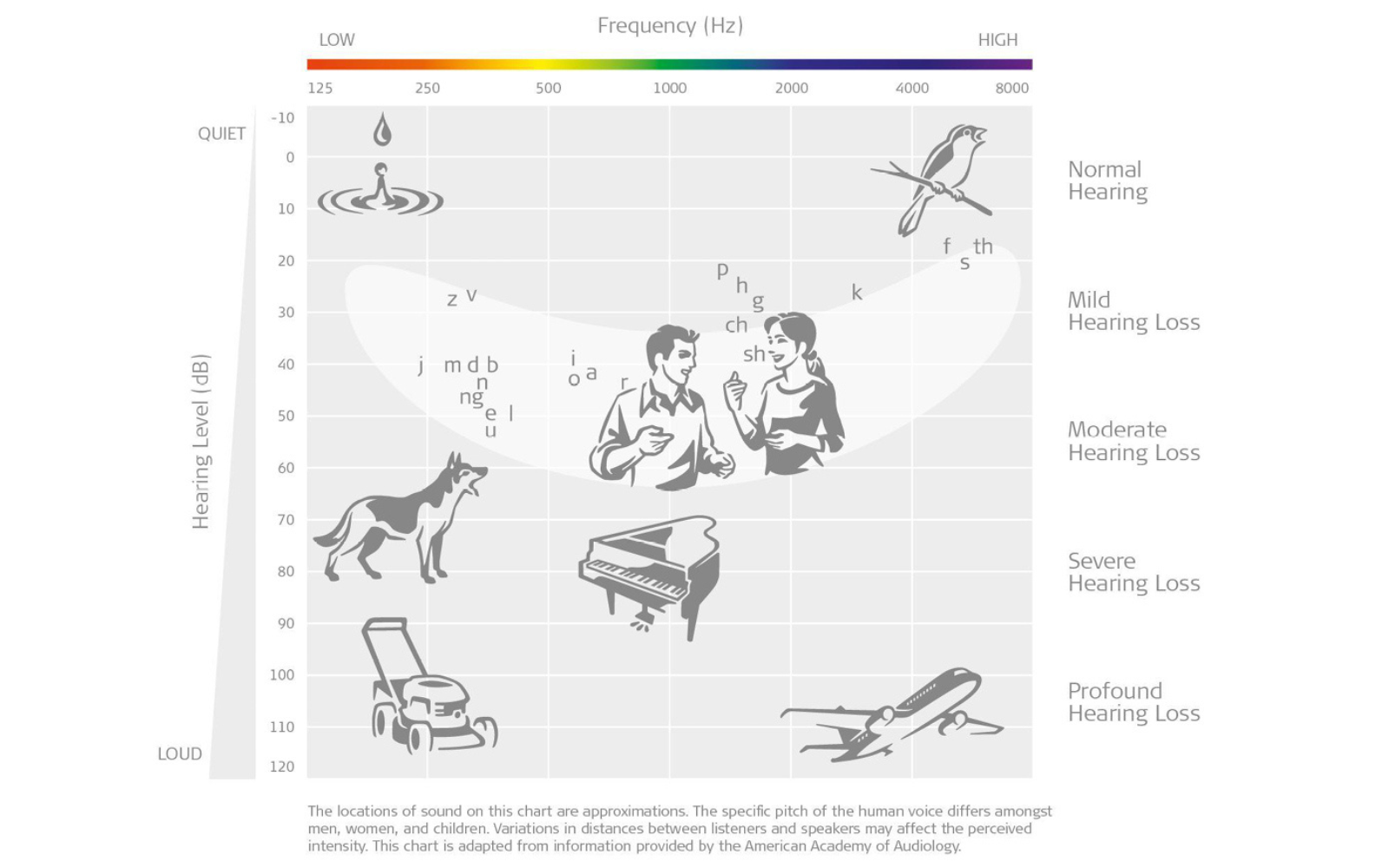
- Pure-Tone Audiometry: This standard test measures hearing thresholds across different frequencies. In retrocochlear hearing loss, audiograms may reveal asymmetric hearing loss or specific patterns that warrant further investigation, although there isn’t one definitive audiogram signature.
- Speech Audiometry: This is a critical component. Tests like speech recognition thresholds (SRT) and word recognition scores (WRS) are performed. A disproportionately poor WRS, meaning a person struggles significantly to understand spoken words even at comfortable listening levels, is a strong indicator of retrocochlear involvement. For instance, someone might have a pure-tone average indicating mild hearing loss but a word recognition score of only 50%, suggesting a significant problem with signal clarity.
- Tympanometry and Acoustic Reflexes: While primarily used to assess middle ear function, abnormal acoustic reflex patterns can sometimes hint at retrocochlear issues, particularly if the reflexes are absent or significantly elevated when they should be present.
2. Auditory Brainstem Response (ABR) Testing:
The ABR test is a cornerstone in diagnosing retrocochlear hearing loss. It measures the electrical activity generated by the auditory nerve and brainstem in response to sound stimuli. Electrodes are placed on the scalp, and the test records the timing and amplitude of waveforms that correspond to different parts of the auditory pathway. Delayed latencies of specific waves (e.g., wave V) or absent waves can indicate damage or dysfunction along the auditory nerve or brainstem. A significant interaural latency difference (difference in wave V latency between ears) is particularly concerning for unilateral retrocochlear pathology.
3. Imaging Studies:
- Magnetic Resonance Imaging (MRI): An MRI scan is often the gold standard for visualizing the auditory nerve and surrounding structures. It is highly effective in detecting tumors like vestibular schwannomas, as well as other structural abnormalities in the brainstem. Contrast-enhanced MRI is particularly useful for identifying small tumors.
- Computed Tomography (CT) Scan: While MRI is preferred for soft tissues like nerves, a CT scan may be used to assess bony structures of the temporal bone or if MRI is contraindicated.
What an Audiogram Can Reveal (and Its Limitations)
An audiogram, while fundamental, offers clues rather than definitive diagnoses for retrocochlear hearing loss. A typical audiogram plots hearing sensitivity (in decibels, dB) against frequency (in Hertz, Hz).
- Asymmetry: A significant difference in hearing thresholds between the two ears (e.g., a difference of 10-15 dB or more at multiple frequencies) can raise suspicion for a retrocochlear cause, particularly if it affects one ear more than the other.
- Speech Discrimination Scores: As mentioned, a poor speech recognition score in relation to the pure-tone thresholds is a critical indicator. For example, if a patient can hear tones at 30 dB but can only understand 40% of words at a loud 70 dB, this discrepancy is highly suggestive of retrocochlear pathology.
- Roll-off: In some cases, a rapid decline in hearing sensitivity at higher frequencies might be observed, but this can also occur in cochlear hearing loss.
However, it’s crucial to emphasize that normal audiogram findings do not entirely rule out retrocochlear issues, especially in the early stages. Conversely, certain patterns on an audiogram can be seen in various types of hearing loss. Therefore, audiogram results must always be interpreted within the broader clinical context, alongside other audiological tests and medical history.
Treatment Strategies: Addressing the Root Cause
The treatment of retrocochlear hearing loss is highly dependent on the identified cause. There is no single universal treatment, and the approach is often multidisciplinary, involving audiologists, otolaryngologists (ENT specialists), neurotologists, and neurologists.
1. Management of Tumors:
- Observation (Watchful Waiting): For small, slow-growing vestibular schwannomas that are not causing significant symptoms, a period of observation with regular MRI scans may be recommended.
- Surgery: Surgical removal of the tumor is a common treatment. The goal is to remove as much of the tumor as possible while preserving hearing and facial nerve function. Various surgical approaches exist, and the choice depends on tumor size, location, and the patient’s overall health.
- Radiation Therapy: Stereotactic radiosurgery (e.g., Gamma Knife) can be used to control tumor growth, particularly for patients who are not candidates for surgery or to manage residual tumor after surgery.
2. Management of Neurological Conditions:
- Medical Treatment: For conditions like Multiple Sclerosis, treatment focuses on managing the underlying disease with immunomodulatory therapies. This can help slow progression and reduce the frequency and severity of relapses, potentially preserving auditory nerve function.
- Rehabilitation: If nerve damage has occurred, rehabilitation plays a crucial role. This may include:
- Hearing Aids: In cases of mild to moderate retrocochlear hearing loss, well-fitted hearing aids can sometimes provide amplification. However, their effectiveness is limited if the auditory nerve is severely damaged, as the clarity of the amplified signal remains an issue.
- Assistive Listening Devices (ALDs): Devices like FM systems or soundfield systems can help improve speech understanding in noisy environments by delivering sound directly to the listener or through speakers.
- Auditory Training: Specific listening exercises and strategies can help individuals adapt to their hearing loss and improve their ability to understand speech.
3. Cochlear Implants:
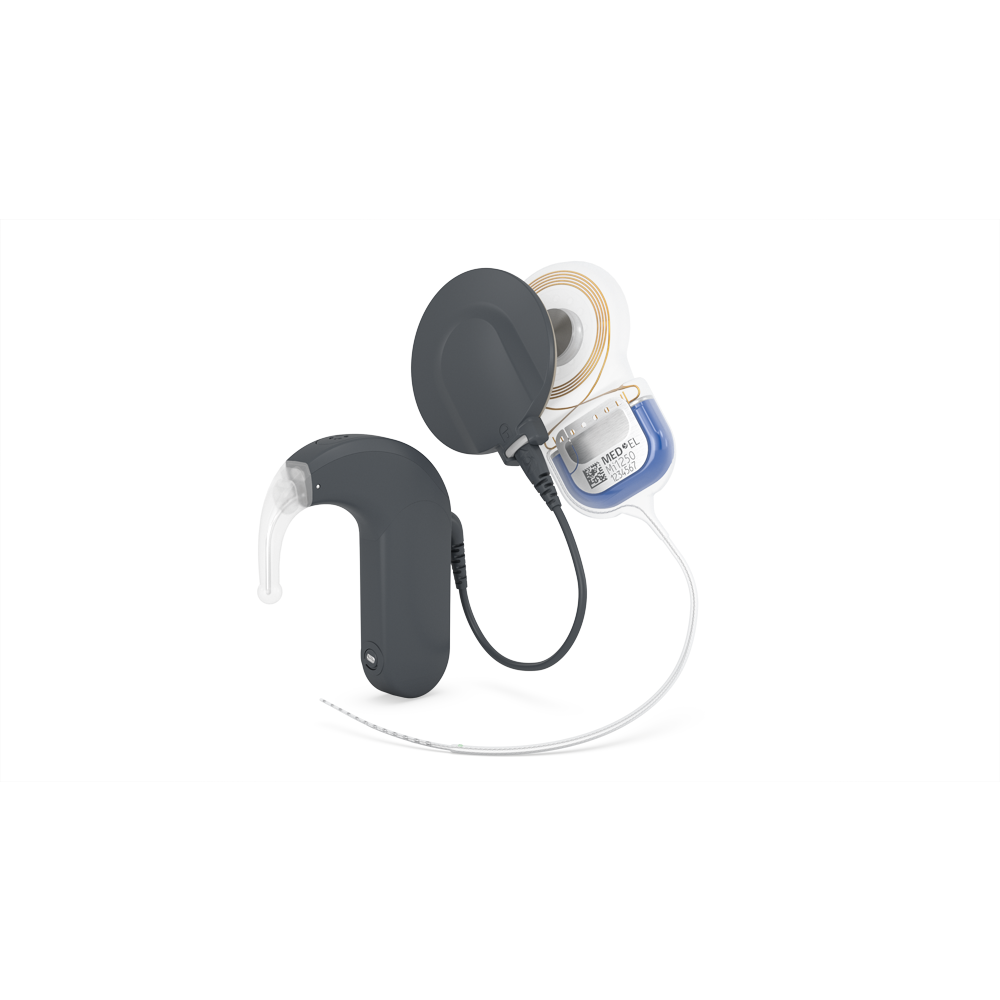
For individuals with severe to profound sensorineural hearing loss, including some cases with retrocochlear components where the auditory nerve has sufficient function, cochlear implants may be a viable option. A cochlear implant bypasses the damaged parts of the inner ear and directly stimulates the auditory nerve with electrical signals. The success of cochlear implantation in retrocochlear cases depends heavily on the integrity and function of the auditory nerve. MED-EL offers advanced cochlear implant systems designed to address a range of hearing loss profiles, and their suitability is determined on a case-by-case basis through thorough medical and audiological evaluation.
4. Addressing Other Causes:
Treatment for other causes, such as vascular issues or infections, will be tailored to the specific condition, potentially involving medication, surgical intervention, or other specialized medical care.
When to Seek Professional Evaluation
Prompt medical attention is crucial for any sudden changes in hearing or the onset of concerning symptoms. It is advisable to consult a healthcare professional, such as a primary care physician, audiologist, or an ENT specialist, if you experience:
- Sudden hearing loss in one ear.
- A noticeable difference in hearing between your ears.
- Persistent ringing or buzzing in your ears (tinnitus).
- Difficulty understanding speech, especially in noisy environments.
- Unexplained dizziness or balance problems.
- Numbness or weakness in your face.
Early diagnosis and intervention can significantly impact the management and prognosis of retrocochlear hearing loss, potentially preventing further deterioration and improving quality of life.

The Broader Impact and Implications
Retrocochlear hearing loss, while less common than cochlear impairments, carries significant implications for individuals’ communication, social interaction, and overall well-being. The profound difficulty in understanding speech, even when sounds are audible, can lead to social isolation, frustration, and a reduced capacity to engage in daily activities. This can impact academic and professional performance, as well as personal relationships.
The diagnostic process itself can be anxiety-inducing, especially when conditions like tumors are suspected. However, advancements in medical imaging and audiological assessment have greatly improved the ability to detect and characterize these conditions accurately.
The implications for treatment highlight the importance of personalized medicine. As demonstrated, a one-size-fits-all approach is insufficient. The successful management of retrocochlear hearing loss hinges on a thorough understanding of its specific cause, the degree of nerve involvement, and the individual’s overall health status. Continued research into nerve regeneration, advanced implantable hearing technologies, and optimized rehabilitation strategies offers hope for improved outcomes in the future.
In conclusion, retrocochlear hearing loss presents a unique challenge within the spectrum of auditory disorders. By understanding its distinct pathology, recognizing its varied symptoms, and leveraging sophisticated diagnostic tools, healthcare professionals can work towards providing effective management and support for individuals affected by this complex condition, ultimately aiming to restore clearer communication and enhance their quality of life.