Understanding Infant Hearing Loss: Types and Causes
Infant hearing loss is characterized by a reduced or absent ability to hear sounds, impacting either one ear (unilateral) or both ears (bilateral). The condition can be temporary, often stemming from treatable issues like middle ear fluid, infections, or blockages in the ear canal, and typically resolves with medical intervention. Conversely, permanent hearing loss arises from damage to the inner ear structures or auditory nerve pathways, necessitating long-term management and support. A definitive diagnosis by a qualified specialist is crucial for determining the specific type and nature of the hearing loss.

The causes of hearing loss in infants are multifaceted and can be broadly categorized. Genetic factors are a significant contributor, with inherited predispositions accounting for a substantial portion of congenital hearing impairments, even in the absence of a known family history. Infections contracted during pregnancy, such as congenital cytomegalovirus (CMV), rubella, herpes, or toxoplasmosis, can profoundly impact the developing inner ear or auditory nerve, leading to permanent or progressive hearing loss.
Prematurity and low birth weight also increase the risk, particularly for infants requiring intensive neonatal care. Complications arising in the Neonatal Intensive Care Unit (NICU), including severe infections, oxygen deprivation, or exposure to certain ototoxic medications, can further compromise auditory health. Severe jaundice, a common condition in newborns, and reduced oxygen levels during delivery can also cause damage to the auditory system. In some instances, structural abnormalities in the outer, middle, or inner ear present at birth can hinder sound transmission to the brain. Exposure to ototoxic medications, either during pregnancy or administered to the infant postnatally, is another potential culprit. Furthermore, common childhood ailments like fluid in the middle ear or recurrent ear infections can lead to temporary hearing difficulties. It is important to note that in a percentage of cases, the precise cause of infant hearing loss remains unidentified. Regardless of the etiology, early detection and intervention are indispensable for fostering robust speech, language, and communication skills.
Recognizing the Signs: Early Indicators of Hearing Impairment
Vigilance for the early signs of hearing loss in infants is critical for timely intervention. These indicators often correlate with developmental milestones and can vary significantly based on the infant’s age. Parental intuition plays a vital role; if concerns arise regarding a child’s hearing, it is essential to seek professional evaluation.

Signs by Age Group:
- Birth to 3 Months:
- Does not startle at loud noises.
- Does not turn towards the sound of voices.
- Appears to be unaware of sounds in the environment.
- Does not make cooing or gurgling sounds.
- 3 to 6 Months:
- Does not babble or make a variety of sounds.
- Does not seem to enjoy hearing sounds like music.
- Does not turn their head towards sounds.
- Does not respond to their name.
- 6 to 12 Months (and Toddlers):
- Does not respond to their name.
- Does not understand simple words or instructions.
- Does not attempt to imitate sounds or speech.
- Shows delayed development in speech and language skills.
- May appear to be in their own world or inattentive.
These signs may also emerge later, potentially presenting as indications of deafness in toddlers, particularly if the hearing loss develops gradually over time.
Newborn Hearing Screening: The First Line of Defense
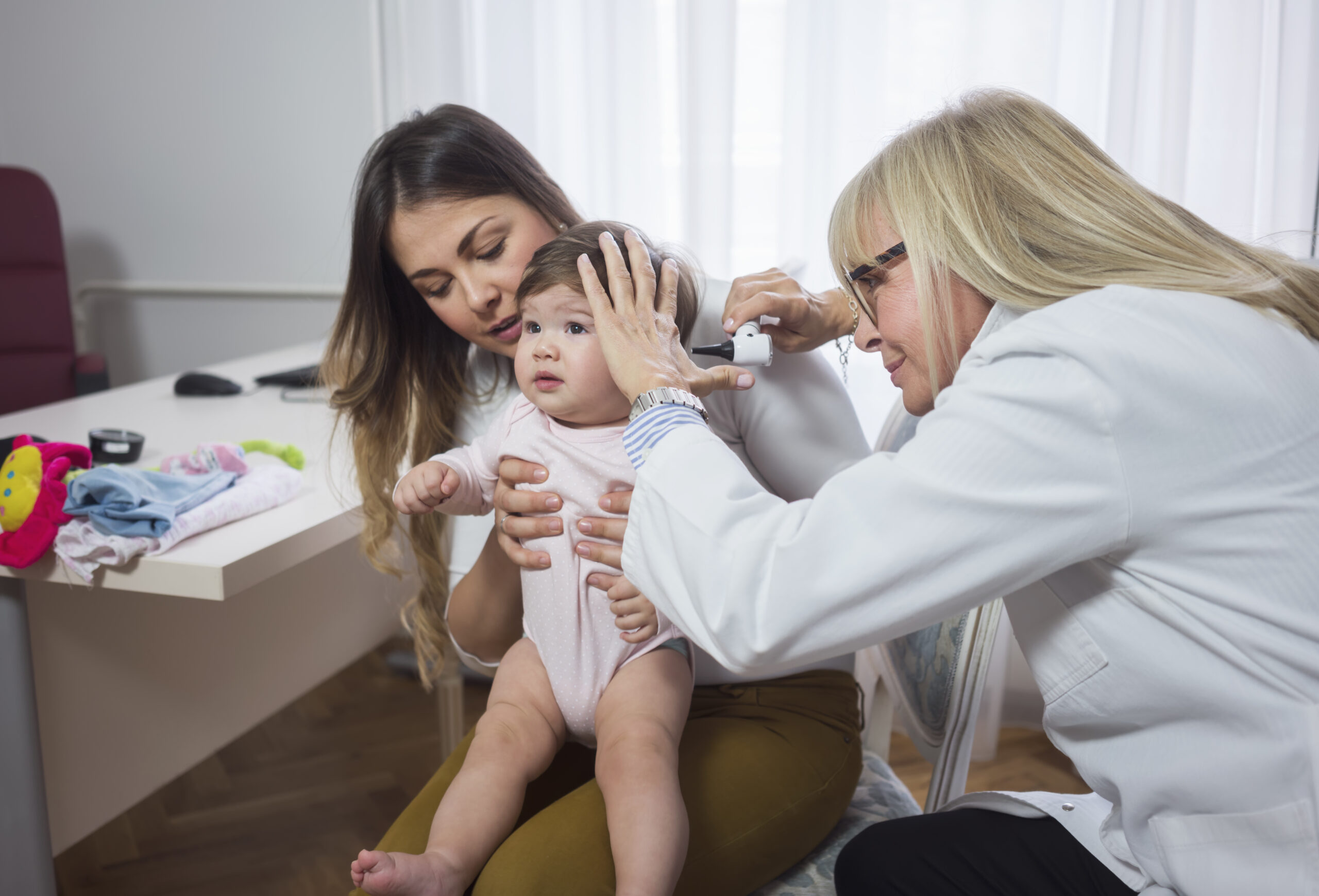
The vast majority of newborns undergo a hearing screening shortly after birth, typically before hospital discharge or within the first month of life. This non-invasive and quick procedure is designed to detect potential hearing impairments early. Two primary methods are commonly employed:
- Otoacoustic Emissions (OAEs): This test measures the echo produced by the inner ear (cochlea) in response to sound. A small probe is placed in the baby’s ear, emitting sounds and recording the cochlea’s response.
- Auditory Brainstem Response (ABR): This test assesses how the auditory nerve and brainstem pathways transmit sound. Small sensors are placed on the baby’s head, and soft earphones deliver sounds while electrical activity in the brain is monitored.
The results of these screenings are generally categorized as either "Pass" or "Refer." A "Pass" indicates that no significant hearing concerns were detected at the time of the test. However, a "Refer" result signifies that further diagnostic testing is recommended to accurately assess the baby’s hearing. It is crucial to understand that a "Refer" does not definitively confirm hearing loss, as temporary factors like residual amniotic fluid in the ear canal or the baby’s movement during the test can sometimes lead to an inconclusive result.
The Possibility of Delayed-Onset Hearing Loss
A critical aspect of infant hearing is the understanding that a baby can pass their initial newborn hearing screening and still develop hearing loss later in infancy or childhood. This phenomenon is known as delayed-onset or progressive hearing loss. A passed screening confirms adequate hearing at that specific moment but does not provide a lifelong guarantee. Therefore, ongoing monitoring of a child’s hearing, speech, and language development remains essential. Parents are encouraged to remain attuned to their child’s auditory responses and communication milestones as they grow.
Navigating a "Refer" Result: Next Steps and the 1-3-6 Rule
If a baby does not pass a hearing test, it is imperative to schedule follow-up diagnostic evaluations promptly. This does not automatically mean the child has permanent hearing loss, as temporary conditions can influence screening outcomes. However, early action is paramount to ensure a timely and accurate diagnosis if hearing loss is confirmed.
The 1-3-6 Rule serves as a vital guideline for timely intervention:

- By 1 Month: A baby should have their hearing screened. If they "Refer," diagnostic audiological evaluations should be completed.
- By 3 Months: If hearing loss is identified, an individualized family service plan (IFSP) should be developed and implemented.
- By 6 Months: If hearing loss is confirmed, appropriate intervention, such as hearing aids or cochlear implants, should be initiated.
Adhering to this timeline is crucial for enabling children with hearing loss to receive support during a critical period for speech and language development, significantly enhancing their long-term communication abilities and overall developmental trajectory.
Unilateral Hearing Loss: A Closer Look
Infant hearing loss in one ear, termed unilateral hearing loss, means a baby can hear in one ear but not the other. While it might seem less impactful than bilateral hearing loss, unilateral hearing loss can still present challenges. These can include difficulties in pinpointing the source of sounds (sound localization), understanding speech in noisy environments, and potential impacts on the development of balanced auditory pathways in the brain. The brain’s ability to process sound effectively relies on input from both ears, and reduced hearing in one ear may influence this processing over time. Even in cases of unilateral deafness, early support and consistent monitoring are beneficial for the child’s development.
Treatment and Intervention Strategies
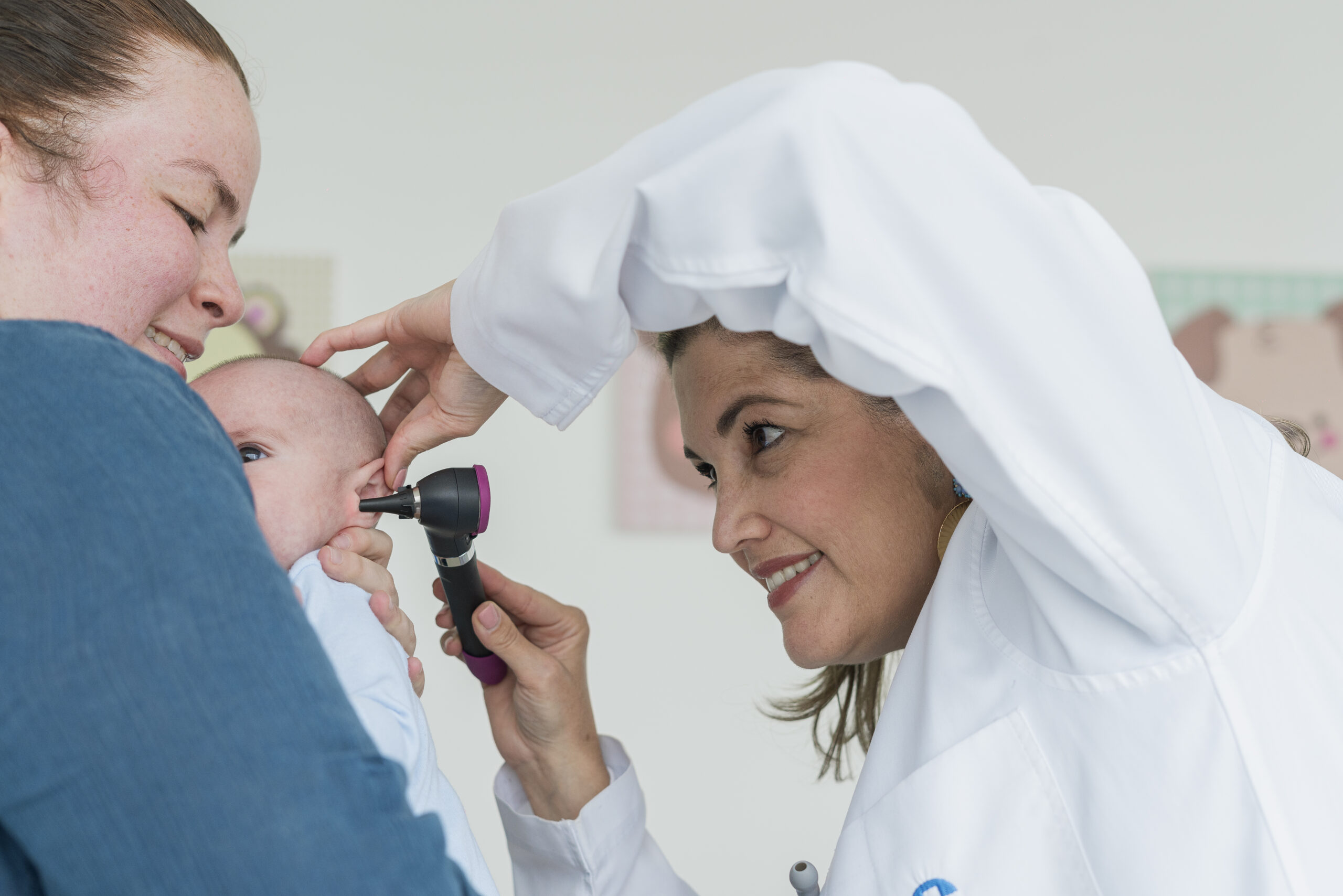
The treatment approach for infant hearing loss is highly individualized, depending on the underlying cause, type, and severity of the impairment. A multidisciplinary team of specialists, including audiologists, otolaryngologists (ENT specialists), and early intervention professionals, collaborates to create a tailored care plan.
Possible treatment options include:
- Medical Treatment for Temporary Causes: Hearing issues stemming from fluid buildup or ear infections can often be resolved with medication or minor medical procedures.
- Early Intervention Programs: These programs offer crucial speech, language, and listening therapy, empowering babies to build essential communication skills during their most formative developmental stages.
- Hearing Aids: For infants with mild to moderate hearing loss, hearing aids can amplify sounds, enabling clearer access to speech and environmental auditory cues.
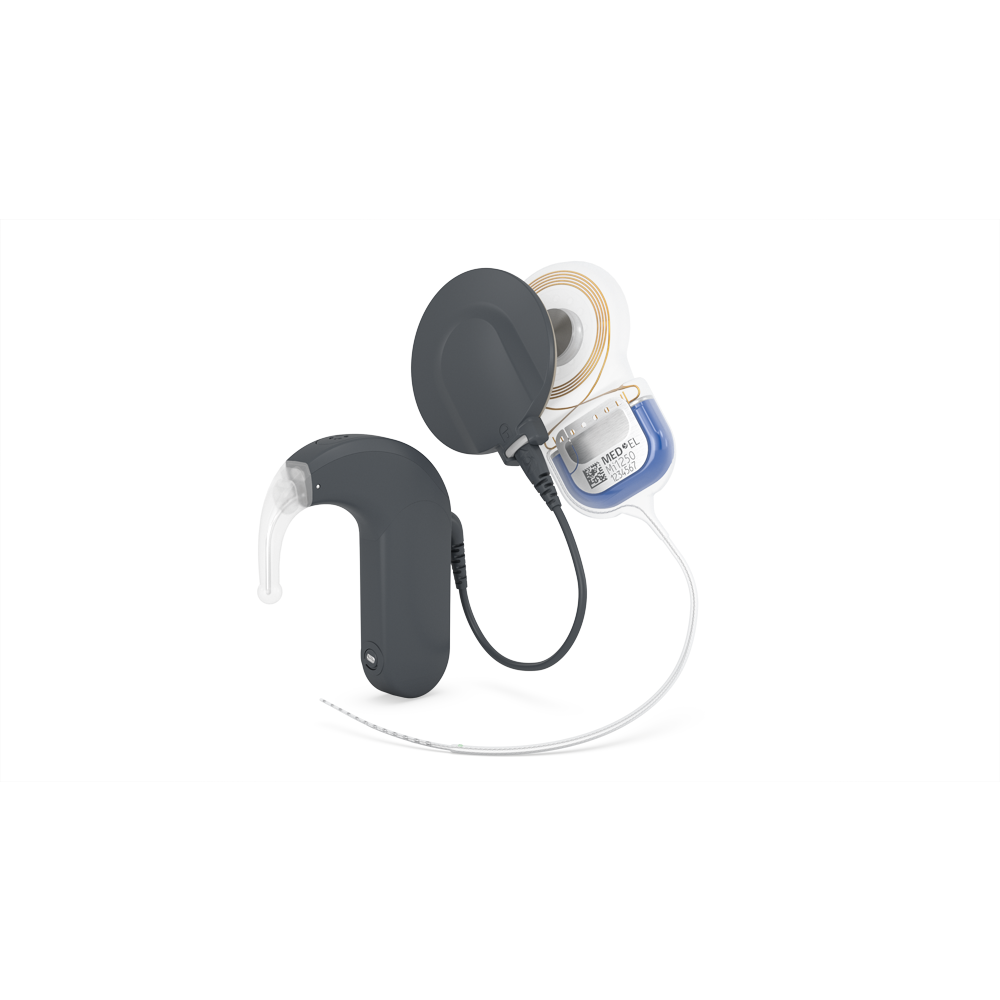
- Cochlear Implants: For children with severe to profound hearing loss, where hearing aids are insufficient, cochlear implants offer a viable solution. These sophisticated devices bypass damaged parts of the ear and directly stimulate the auditory nerve, providing access to sound.
The overarching principle guiding all treatment strategies is the paramount importance of early intervention. Prompt diagnosis and consistent support can dramatically improve a child’s communication skills and overall developmental outcomes, allowing them to thrive and reach their full potential.
What Parents Should Do Next: A Proactive Approach
If you harbor concerns about your baby’s hearing, taking proactive steps is essential.
- Trust Your Parental Instinct: If something feels amiss with your child’s hearing or communication development, do not hesitate to voice your concerns to healthcare professionals.
- Discuss Concerns with Your Pediatrician: Share your observations and questions with your child’s pediatrician, who can initiate the appropriate evaluation process.
- Ensure Newborn Hearing Screening: Confirm that your baby has undergone the recommended newborn hearing screening. If a "Refer" result was received, follow through with diagnostic audiological evaluations.
- Monitor Developmental Milestones: Continuously observe your child’s hearing and communication milestones. Any perceived delays or unusual behaviors should be brought to the attention of your healthcare provider.
- Seek Specialist Evaluation: If hearing loss is suspected or confirmed, consult with an audiologist and an ENT specialist for a comprehensive assessment and to discuss treatment options.
- Engage with Early Intervention Services: If hearing loss is diagnosed, actively participate in early intervention programs. These services provide invaluable support and resources for both the child and the family.
While the prospect of infant hearing loss can initially feel overwhelming, with early diagnosis, expert guidance, and a robust support system, children can develop strong communication skills and lead fulfilling lives.
Dr. Yi Ge, MED-EL
Published June 17, 2026