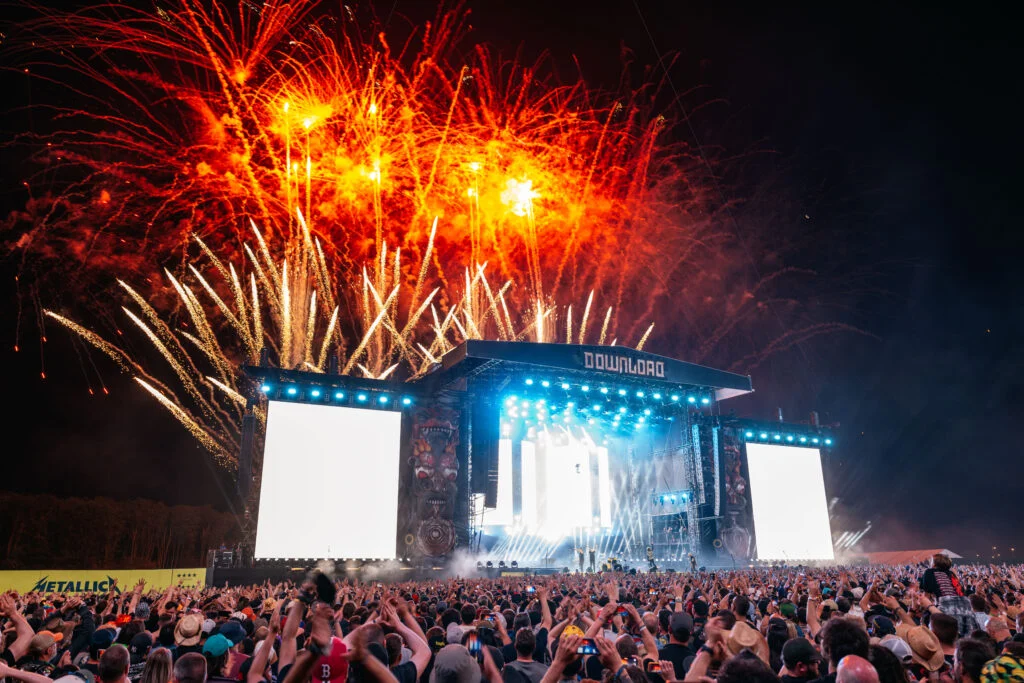
The stakes are historically high for both fans and professionals. According to global health statistics, approximately one in seven adults suffers from tinnitus—the perception of ringing or buzzing in the ears—while the prevalence among professional musicians is estimated at one in three. With prolonged exposure to high decibel levels remaining a primary cause of permanent, preventable auditory damage, the initiative at Download 2026 was designed to bridge the gap between awareness and active prevention.
A Chronology of Advocacy: From Tinnitus Week to Donington Park
The presence of Tinnitus UK at Download was the culmination of momentum generated during Tinnitus Week 2026. Following the success of that national campaign, which reached millions through media partnerships and digital advocacy, the organization identified a strategic need to move from broad awareness to site-specific implementation.
In the months leading up to June 2026, Tinnitus UK and Live Nation coordinated a multifaceted approach to on-site engagement. The plan focused on three pillars: accessibility, education, and normalization. By the time the gates opened, the festival had already established a infrastructure that included British Sign Language (BSL) interpretation, hearing loops at main stages, and the strategic distribution of free earplugs. These steps were not merely symbolic; they represented a significant operational shift for a major festival, demonstrating that the preservation of hearing health could be seamlessly woven into the logistics of large-scale event production.
The Auditory Toll: Data and Industry Reality
To understand the urgency of this partnership, one must examine the physical realities of the music industry. Sound levels at rock and metal concerts frequently exceed 100 decibels, a threshold where hearing damage can occur in as little as 15 minutes of unprotected exposure. Despite these risks, hearing protection has historically been treated as an afterthought by many fans and, occasionally, by performers themselves.
The medical implications are severe. Chronic exposure to high-intensity sound can lead to noise-induced hearing loss (NIHL), a condition that is irreversible. For musicians, whose livelihood depends on their auditory acuity, the impact can be career-ending. The anecdotal evidence collected at Download provided a sobering look at these statistics. Ali and Foley, members of the band As It Is, shared their personal histories with auditory trauma. Foley, the group’s drummer, revealed that years of performing without protection resulted in two perforated eardrums, a injury that serves as a cautionary tale for the next generation of performers. Ali noted that upon consulting an audiologist, he was informed that his hearing profile resembled that of a patient with a degenerative condition—a stark reminder that the “rock and roll lifestyle” carries physiological consequences that often manifest years after the music stops.
Voices from the Stage: The Shift in Artist Culture
The artist-led advocacy observed at Download 2026 signals a fundamental change in the culture of the music industry. During the weekend, various creators and influencers shared their personal regimens for protecting their hearing, moving the conversation away from the stigma that once surrounded earplugs.
Alice of Lake Malice, who relies on professional, custom-molded in-ear monitors, noted that protecting her hearing is a professional imperative. Similarly, Becca from Marmozets described a routine where ear protection has become an everyday necessity, noting that she keeps earplugs on her keychain to ensure she is never caught without them. This sentiment was mirrored by other professionals in the scene, including The Metal Therapist (Robyn Ward) and members of the band RXPTORS, all of whom acknowledged that while they may have been "late to the party" in recognizing the importance of ear safety, they are now fervent advocates for the practice.
The influence of these artists cannot be overstated. By demonstrating that high-fidelity earplugs and protective habits are compatible with a high-octane performance style, they provide a blueprint for younger fans to follow. Influencers such as Katie Pepper and Mol Horne reinforced this by framing earplugs as a non-negotiable accessory for any gig-goer. Stephanie, a festival attendee, even highlighted the aesthetic evolution of the product, noting that modern earplugs can be styled to match an outfit, effectively removing the final social barrier to their adoption.
The Logistics of Prevention: Operational Integration
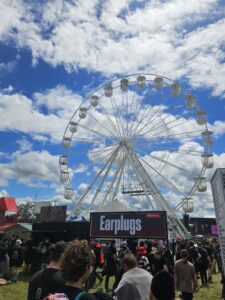
The success of the Download partnership rested on the fact that hearing protection was made both visible and accessible. By providing free earplugs at various points throughout the site, the festival organizers removed the financial and logistical friction that often prevents fans from protecting themselves.
This approach is rooted in the "harm reduction" model often applied in public health. By making the safe choice the easy choice, the festival effectively normalized the behavior. If a fan realizes mid-set that the volume is exceeding their comfort zone, the availability of free, high-quality earplugs allows them to mitigate the risk instantly. This infrastructure is likely to become a standard expectation for future festivals, as audience expectations regarding wellbeing and accessibility continue to evolve.
Broader Implications: The Future of Live Music
The collaboration between Tinnitus UK and Live Nation sets a precedent that extends well beyond the boundaries of Download Festival. The primary implication of this initiative is that the enjoyment of live music and the preservation of hearing are not mutually exclusive. Instead, they are two sides of the same coin: one cannot fully appreciate the longevity of the music industry if the audience and the artists themselves are losing the ability to hear it.
From an industry perspective, this initiative highlights a growing corporate social responsibility (CSR) trend. Major promoters are increasingly recognizing that the long-term viability of their events depends on the health of their patrons. By investing in hearing loops, BSL services, and preventative education, festivals are creating a more inclusive environment that caters to a wider demographic, including those who might otherwise avoid loud environments due to sensory sensitivities.
Furthermore, the data collected during these engagements provides a valuable resource for health professionals. By tracking the habits of 100,000 attendees and the testimonials of performing artists, Tinnitus UK is better equipped to refine its messaging and advocacy strategies for the future. The goal is to reach a tipping point where wearing earplugs at a concert is as common and unremarkable as wearing sunglasses on a sunny day.
Conclusion: A Legacy of Awareness
As the dust settled at Donington Park, the impact of the Tinnitus UK initiative remained clear. The partnership demonstrated that with the right combination of institutional support, artist endorsement, and accessibility, the culture surrounding live music can be shifted toward a more sustainable and health-conscious model.
The lessons learned at Download 2026 are clear: auditory health is a critical component of personal well-being. Whether one is a professional musician, a regular gig-goer, or an occasional fan, the small act of using ear protection can prevent a lifetime of silence or persistent ringing. As the industry looks toward future festival seasons, the success of this collaboration serves as a mandate for change. By integrating these practices into the fabric of the live music experience, organizers can ensure that the memories created in front of the stage do not come at the cost of the listener’s future. The message from the 2026 Download Festival is definitive: protect your hearing, and keep the music playing.