The Growing Mandate for Digital Inclusion
The shift toward virtual engagement has highlighted significant barriers for the approximately 1.3 billion people worldwide—or 1 in 6—who experience significant disability, according to data from the World Health Organization (WHO). In the United Kingdom, the Family Resources Survey indicates that 16 million people, or roughly 24% of the population, report having a disability. For these individuals, poorly designed online events can lead to total exclusion from professional development, networking, and essential information.
Experts in digital design argue that accessibility features often provide what is known as the "curb-cut effect," where features designed for people with disabilities end up benefiting the entire population. For instance, captions intended for the hard-of-hearing also assist non-native speakers and those in loud environments, while recorded sessions benefit individuals with neurodivergent conditions who may need to process information at a slower pace.
Strategic Planning and Chronological Preparation
A successful inclusive event is the result of deliberate planning that begins long before the "Go Live" button is pressed. Organizers are encouraged to adopt a structured timeline to ensure no accessibility requirement is overlooked.
Phase One: Pre-Event Infrastructure (4–6 Weeks Prior)
The foundation of an accessible event lies in the choice of platform. Not all video conferencing tools are created equal; organizers must evaluate whether a platform supports screen readers, keyboard-only navigation, and third-party captioning integration. During this phase, it is essential to distribute pre-event surveys. These surveys should explicitly ask potential attendees about their specific needs, such as British Sign Language (BSL) interpretation, live captioning, or the need for materials in alternative formats like Braille or large print.
Phase Two: Content Development (2–4 Weeks Prior)
Creating accessible materials is a labor-intensive process. Presentation slides must be designed with high color contrast (meeting WCAG 2.1 Level AA standards) and use sans-serif fonts of at least 24 points for readability. Agendas should be structured with frequent breaks. Research into "Zoom fatigue" and cognitive load suggests that for many participants, particularly those with chronic fatigue or neurological conditions, a standard 10-minute break is insufficient. Strategic planning involves scheduling 15-to-20-minute intervals to allow for genuine rest.
Phase Three: Technical Rehearsal (1 Week Prior)
A "dry run" is critical for testing the integration of accessibility features. This includes verifying that the live captioning software correctly syncs with the audio and ensuring that the platform’s interactive elements—such as polls or Q&A boxes—are reachable via keyboard shortcuts without the use of a mouse.
Communication and Promotional Standards
The accessibility of an event is often judged by its first point of contact: the invitation. If a promotional email or registration page is not accessible, many users will be excluded before the event even begins.
Journalistic analysis of digital marketing trends shows that the use of "alt-text" for images and the avoidance of "click here" links in favor of descriptive hyperlinks (e.g., "Register for the Accessibility Webinar") significantly improves the user experience for those using assistive technologies. Furthermore, all promotional materials should be available in multiple formats. Providing an audio summary of the event or a simplified "Easy Read" version of the agenda can broaden the audience reach significantly.
Clear communication also involves transparency. Organizers should state clearly which accessibility features will be provided (e.g., "This event will feature BSL interpretation and automated closed captions") so that attendees can manage their expectations and prepare their own assistive devices accordingly.
Real-Time Execution and Facilitation
During the live broadcast, the responsibility shifts to the presenters and technical moderators to maintain an inclusive environment.
Visual and Audio Clarity
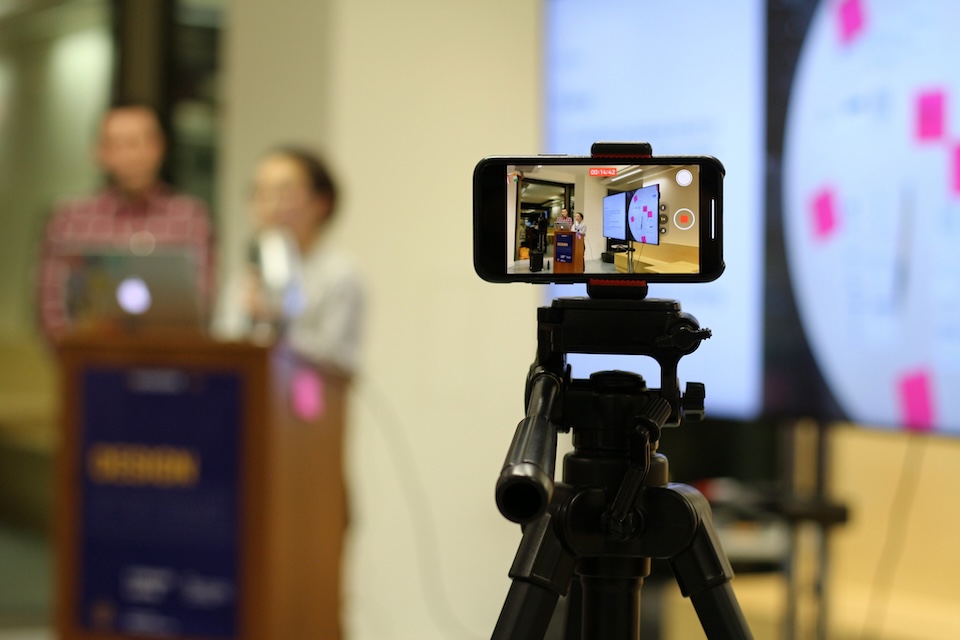
Presenters must ensure they are well-lit from the front, allowing participants who rely on lip-reading to see their faces clearly. The use of high-quality external microphones is non-negotiable; poor audio quality can cause "audio artifacts" that make it impossible for automated captioning software or human interpreters to accurately translate the speech.
Live Captioning and Interpretation
While AI-generated captions have improved, they often struggle with technical jargon and diverse accents. For high-stakes events, professional live captioners (STTR – Speech to Text Reporters) are recommended. If sign language interpreters are employed, they must be "pinned" or spotlighted in the video feed so they remain visible even when a screen is being shared.
Active Moderation
A dedicated accessibility moderator should be assigned to monitor the chat for any reported barriers. For example, if a user reports that the screen reader is not announcing the content of a shared slide, the moderator should be empowered to pause the session or provide a verbal description of the visual data immediately.
Data-Driven Post-Event Follow-up
The conclusion of the live stream does not mark the end of the event’s accessibility lifecycle. The post-event phase is where the most significant long-term value is created for the audience.
According to industry best practices, recordings should be processed and released within 24 to 48 hours. These recordings must include edited captions that correct any errors made during the live broadcast. Providing a full transcript is also a vital step, as it allows users to use the "find" function to locate specific information without having to watch the entire video.
Feedback collection is the final, critical step. Surveys should specifically ask: "Did the accessibility features meet your needs?" and "What could we have done better?" This data is invaluable for iterative improvement. Inferred reactions from accessibility consultants suggest that organizations that follow up with individuals who requested specific accommodations see higher levels of loyalty and engagement in future events.
Economic and Social Implications of Inclusive Design
The move toward mandatory accessibility is supported by a growing body of economic evidence. The "Purple Pound"—the spending power of disabled households in the UK—is estimated at £274 billion per year. Organizations that fail to host accessible events are effectively locking themselves out of a massive market segment.
From a legal perspective, the risks of non-compliance are increasing. Recent years have seen a rise in litigation against organizations whose digital platforms are not accessible to those with visual or hearing impairments. In the United States, ADA-related digital lawsuits have set a precedent that is increasingly being mirrored in European and UK legal frameworks.
Furthermore, the social implications are profound. Accessible online events play a key role in democratizing information. They ensure that people living in rural areas, those with mobility issues, and those who are immunocompromised can participate in the public square on equal footing with their peers.
Conclusion: A Framework for the Future
As Global Accessibility Awareness Day 2025 approaches, the guidelines for online events serve as a blueprint for a more equitable digital future. The transition from "exclusive" to "inclusive" requires a shift in mindset: viewing accessibility not as an optional add-on or a checkbox exercise, but as a core requirement of professional excellence.
By implementing rigorous planning, clear communication, and responsive real-time support, event organizers can ensure that their message reaches the widest possible audience. The ultimate goal is a world where digital barriers are non-existent, and every individual has the opportunity to engage, learn, and contribute to the global conversation. Accessibility, in its truest form, is the practice of respecting human diversity and ensuring that the digital revolution leaves no one behind.