The Landscape of Tinnitus Management in the UK
Tinnitus, the perception of sound in the absence of an external acoustic source, affects an estimated 10 to 15 percent of the global population. In the United Kingdom, the condition places a substantial burden on both the National Health Service (NHS) and the individual, often leading to comorbidities such as sleep disturbances, anxiety, and depression. Historically, patients have been told to "stop thinking about it"—a dismissive piece of advice that clinicians now recognize as largely counterproductive.
The Cardiff Information Day was designed to counter this narrative. The event structure reflected a modern, multidisciplinary approach to care, moving away from a "cure-seeking" mentality toward a management-focused strategy. Attendees were invited to engage with workshops that addressed the physiological, psychological, and lifestyle-related aspects of living with persistent ringing, buzzing, or hissing sounds.

A Chronology of the Cardiff Event
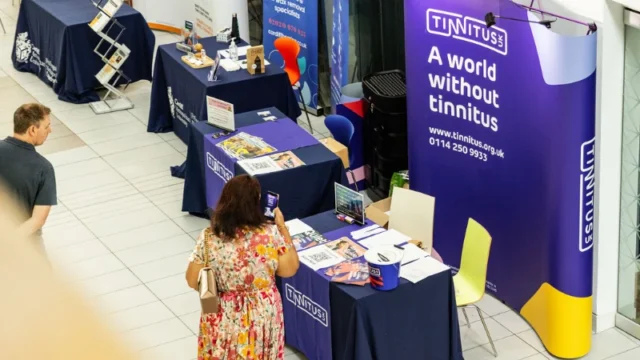
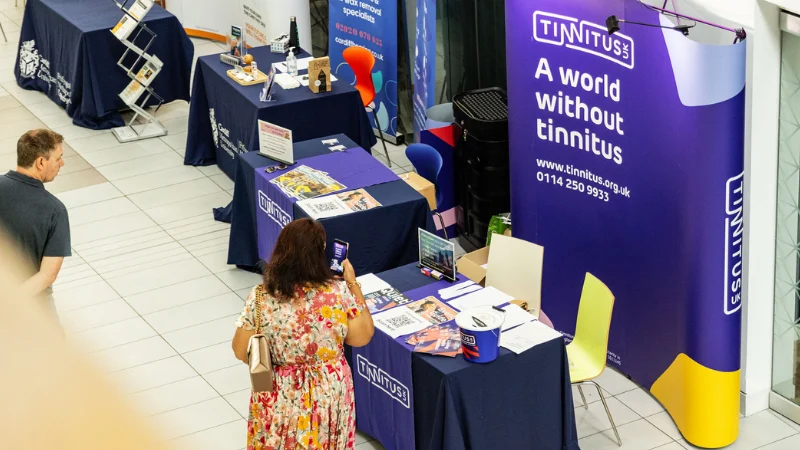
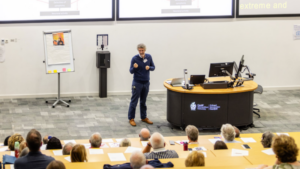
The day commenced with a series of keynote presentations focused on the latest developments in audiological research and psychological coping mechanisms. By mid-morning, the focus shifted to the exhibition area, where local specialists, including representatives from Cardiff Hearing and Minerva, provided one-on-one guidance on custom-fit hearing protection and sound therapy options.
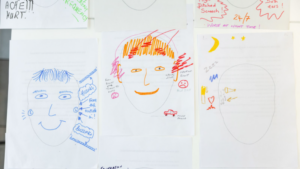
The afternoon sessions were defined by active participation. A notable segment featured the "Tinnitus Creative Toolkit," led by Marie from the Open University. This session challenged the traditional clinical model by introducing expressive arts as a therapeutic conduit. Later in the day, the focus turned to physical wellness, with a session dedicated to chair yoga, reinforcing the emerging link between physical activity and the modulation of tinnitus severity. The day concluded with a strategic planning session for local support groups, resulting in the tangible outcome of a new, formalized support network for the Cardiff region.

Data-Driven Insights into Patient Outcomes
The efficacy of these community-led interventions is backed by compelling data. Research consistently indicates that peer-support environments serve as a catalyst for symptom improvement. Statistics shared during the event highlighted that approximately 97 percent of individuals who participate in structured tinnitus support groups report a subjective improvement in their ability to cope with the condition.
This improvement is not necessarily due to a reduction in the sound itself, but rather a decrease in the emotional reactivity to it. By facilitating a space where individuals can share their experiences, the charity helps shift the patient’s perspective from one of victimhood to one of proactive management. The feedback from the Cardiff cohort was consistent with these findings; many attendees noted that while their tinnitus seemed more pronounced during the initial hours of discussion, they departed with a heightened sense of control and a significant reduction in the psychological distress the condition typically induces.

Expert Perspectives and Clinical Integration
Professor Florian Vogt of University College London, who served as a keynote speaker, emphasized the necessity of integrating psychological support into standard audiological practice. His research into tinnitus-related insomnia underscores that the impact of the condition is frequently exacerbated by a feedback loop of stress and fatigue. By addressing the psychological underpinnings of the condition, clinicians can help patients break this cycle.
The involvement of local professionals such as Sonja Jones and Kevin Davies provided a practical layer to these high-level discussions. Their presence highlighted that management is not limited to clinical therapy; it also encompasses preventative measures. Custom-fit hearing protection, for instance, remains a cornerstone of preventing further damage, particularly for those exposed to loud environments in their professional or personal lives.
The Emergence of the Tinnitus Creative Toolkit
One of the most innovative components of the Cardiff event was the introduction of the Tinnitus Creative Toolkit. The toolkit is currently undergoing rigorous evaluation to determine its efficacy in reducing the cognitive load associated with tinnitus. Unlike standard mindfulness or Cognitive Behavioral Therapy (CBT) exercises, the toolkit utilizes structured creative activities to help patients externalize their symptoms.
The implications for this are significant. If, as early research suggests, creative expression can serve as a distraction mechanism that simultaneously validates the patient’s experience, it could become a standard recommendation in clinical audiology. The successful rollout of this toolkit at the Cardiff event serves as a pilot for its potential national implementation, providing a scalable solution for local support groups across the UK.

The Broader Implications for Healthcare Strategy
The decision to host such events in regional hubs like Cardiff highlights a shift in how Tinnitus UK is prioritizing community engagement. With public healthcare resources stretched, the role of the voluntary sector in providing secondary support is becoming increasingly vital. These Information Days effectively offload the burden on the NHS by providing patients with the tools to self-manage, thereby reducing the number of repeat clinical visits for issues related to anxiety and frustration.
Furthermore, the announcement of a new, independent support group in Cardiff is a testament to the sustainability of this model. By fostering local leadership, the charity ensures that the momentum generated during a one-day event is maintained throughout the year. This grassroots approach is essential for long-term health outcomes, as it creates a permanent safety net for patients who might otherwise struggle to find resources in their immediate vicinity.
Looking Forward: The Bournemouth Initiative
The success in Cardiff has served as a validation of the charity’s current strategy, prompting immediate plans for expansion. Tinnitus UK has confirmed that the next installation of this series will take place in Bournemouth on September 5, 2026. This upcoming event is expected to draw a similarly diverse crowd, ranging from long-term sufferers to newly diagnosed individuals seeking immediate guidance.
The continued focus on accessibility—keeping these events free to the public—remains a core pillar of the organization’s mission. However, this accessibility is entirely dependent on sustained funding through memberships, donations, and legacy gifts. The financial health of the organization is directly tied to its ability to provide these essential services; thus, the success of the Cardiff event is also a call to action for the wider community to support the charity’s ongoing work.

Conclusion: A New Standard of Support
The Cardiff Information Day provided more than just information; it provided a community. By synthesizing clinical expertise, practical lifestyle management, and peer-to-peer support, Tinnitus UK has established a framework that significantly improves the quality of life for those living with the condition. The transition from isolation to connection, as witnessed in Cardiff, is the most powerful tool in the fight against the impact of tinnitus. As the organization prepares for its next event in Bournemouth, the focus remains clear: to ensure that no individual has to face the complexities of tinnitus in isolation, and to continue refining the evidence-based strategies that turn the tide from frustration to management. The progress made in Wales serves as a beacon for what can be achieved when clinical expertise and human compassion intersect.