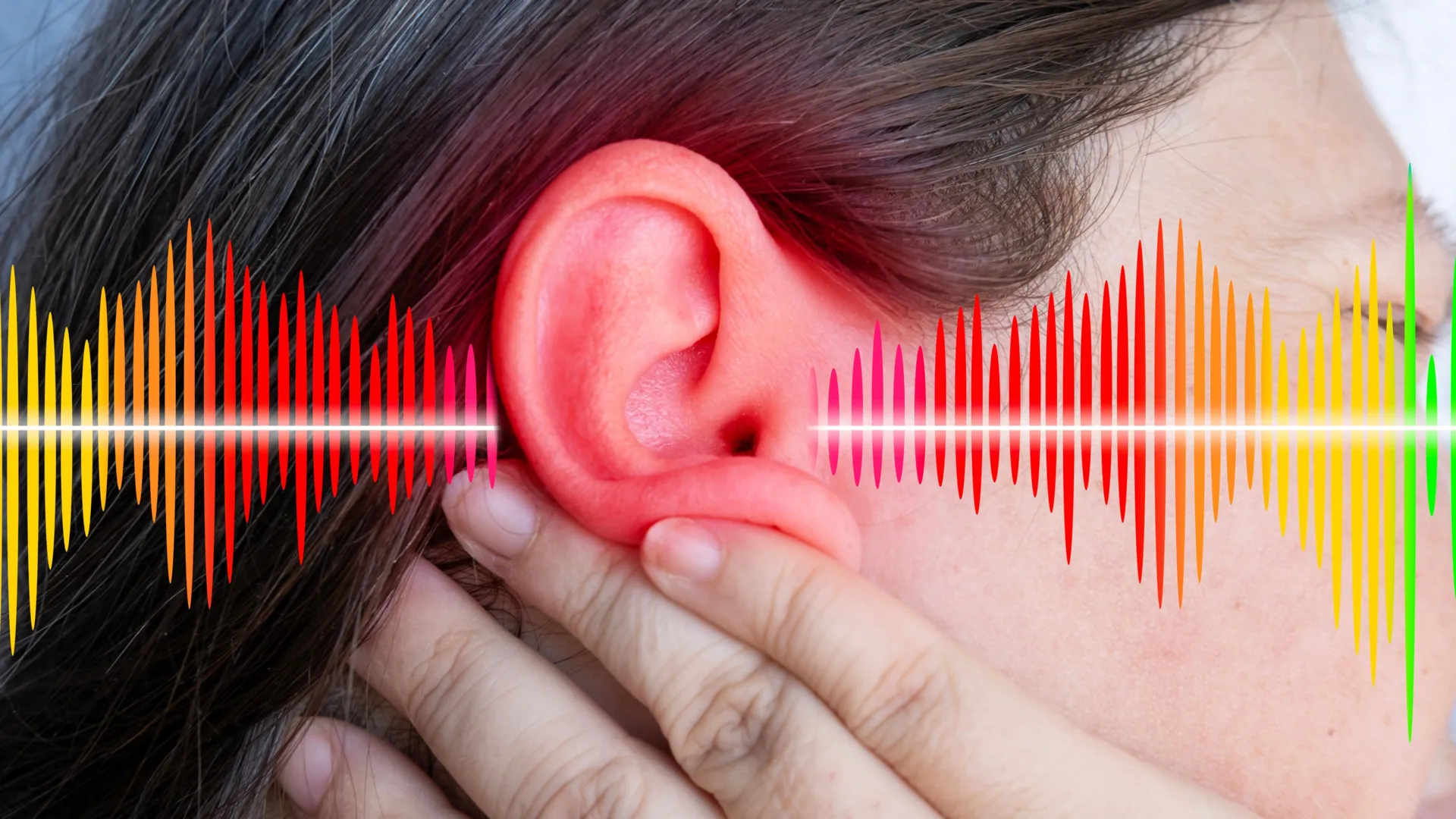
Tinnitus is far more than a mere annoyance; for a substantial portion of the population, it is a debilitating condition. Epidemiological data suggests that approximately 14% of the global adult population experiences some form of tinnitus. Of those affected, roughly 2% suffer from "catastrophic" tinnitus, characterized by severe psychological distress, sleep deprivation, and an inability to perform daily tasks. Despite its prevalence, the underlying mechanisms of the condition have long remained elusive, leading to a "one-size-fits-all" approach to treatment that frequently fails to provide relief.
The Serotonin Paradox and SSRIs
The findings of the OHSU and Anhui University study carry profound implications for the pharmaceutical management of tinnitus. For decades, clinicians have observed a correlation between tinnitus and psychological disorders such as clinical depression and generalized anxiety. Consequently, Selective Serotonin Reuptake Inhibitors (SSRIs)—a class of drugs that includes well-known medications like fluoxetine (Prozac) and sertraline (Zoloft)—are frequently prescribed to patients suffering from the emotional fallout of persistent ear ringing.
SSRIs work by preventing the reabsorption of serotonin in the brain, thereby increasing its availability. While this is effective for stabilizing mood, the new research suggests that this surge in serotonin may inadvertently stimulate the auditory regions of the brain, amplifying the very tinnitus the patient is struggling to cope with. Laurence Trussell, Ph.D., a co-senior author of the study and a professor of otolaryngology at the OHSU School of Medicine, emphasized that the study highlights a "delicate balance" that must be maintained.
"People with tinnitus should work with their prescribing physician to find a drug regimen that gives them a balance between relief of psychiatric symptoms like depression and anxiety, while minimizing the experience of tinnitus," Trussell stated. He further noted that the study serves as a call to action for the medical community to validate patient reports regarding medication-induced changes in their symptoms.
Mapping the Neural Circuitry: A Chronology of Discovery
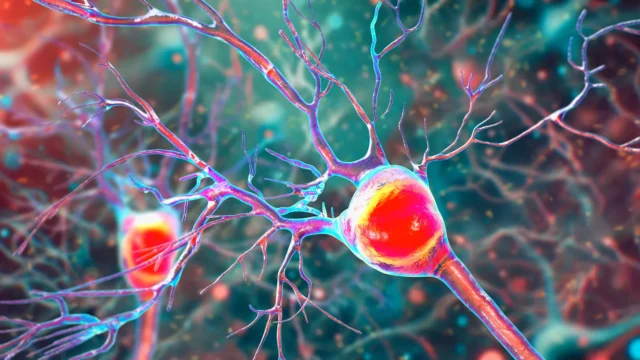
The recent publication is the culmination of years of investigation into the dorsal cochlear nucleus (DCN), a specialized region of the brainstem where auditory nerves first enter the brain. The DCN is known to be a hub of "plasticity," meaning its neural connections can strengthen or weaken based on external stimuli or internal chemical changes.
In 2017, the research team published a precursor study that first identified the presence of serotonergic fibers in the DCN. That earlier work demonstrated that serotonin could make the neurons in the DCN more sensitive to sound. However, that study did not definitively prove that this sensitivity translated into the actual perception of tinnitus.
The latest research utilized optogenetics—a cutting-edge technique involving the use of light to control genetically modified neurons—to bridge that gap. By targeting specific neurons that produce serotonin and directing them toward the auditory system in mice, the researchers were able to observe direct behavioral changes. When the serotonin-producing circuit was activated, the mice exhibited behaviors consistent with the experience of tinnitus. Conversely, when the researchers inhibited this circuit, the tinnitus-like symptoms were significantly ameliorated.
Zheng-Quan Tang, Ph.D., of Anhui University, who began this research as a postdoctoral scholar in Trussell’s lab, explained that the identification of this specific circuit provides a much clearer picture of the brain’s "wiring" regarding phantom sounds. "Now, using mice, we’ve found a specific brain circuit involving serotonin that goes straight to the auditory system," Tang said. "This points toward new possibilities for treatment that were previously unexplored."
Methodology: Optogenetics and the Auditory Startle Test
To ensure the accuracy of their findings, the researchers employed a modified version of the auditory startle test, known as Gap-Induced Pre-pulse Inhibition of the Startle reflex (GPIAS). In a typical environment, a sudden loud noise causes a "startle" reflex in animals. If a brief silence (a gap) precedes the loud noise, the startle reflex is normally reduced. However, if an animal is experiencing tinnitus, the "phantom sound" fills in the gap of silence, preventing the animal from noticing the silence and thus resulting in a full-strength startle reflex.
By monitoring these reflexes while manipulating serotonin levels through optogenetic fiber optics, the team was able to confirm that increased serotonin activity in the DCN mimics the presence of a background sound, even in a silent room. This provides the most compelling evidence to date that serotonin does not just modulate the reaction to tinnitus, but can actually induce or exacerbate the sensation itself.
Supporting Data and Global Context
The impact of tinnitus on public health is significant. According to data from the American Tinnitus Association (ATA), nearly 50 million Americans experience some form of tinnitus. Globally, the economic burden is estimated in the billions of dollars due to healthcare expenditures and lost workplace productivity.
Furthermore, the relationship between hearing loss and tinnitus is well-documented. Most cases of tinnitus are preceded by some level of damage to the auditory system, such as exposure to loud noises or age-related hearing loss. When the brain stops receiving normal signals from the ears, it often compensates by "turning up the volume" on internal neural activity, leading to the perception of sound where none exists. The OHSU study suggests that serotonin acts as a chemical volume knob in this process, specifically within the DCN.
Clinical Implications and Official Responses
The medical community has reacted to these findings with a mixture of caution and optimism. While the study was conducted on mice, the fundamental architecture of the auditory system and the role of serotonin are highly conserved across mammalian species, including humans.
The National Institutes of Health (NIH), which funded the research through award RO1DC004450, has long prioritized research into the neurological basis of hearing disorders. While the NIH noted that the findings and conclusions are solely the responsibility of the authors, the agency continues to support studies that seek to decouple the beneficial effects of antidepressants from their sensory side effects.
Neurologists and audiologists are now faced with the challenge of refining treatment protocols. For patients who require SSRIs for severe depression, the risk of worsening tinnitus may be a necessary trade-off, but for those with milder mood symptoms, alternative medications—such as those targeting different neurotransmitter systems like norepinephrine or dopamine—might be considered.
Future Directions: Toward Precision Pharmacology
The ultimate goal of this research is the development of "precision" drugs. Currently, SSRIs are systemic, meaning they affect serotonin levels throughout the entire brain and body. The OHSU and Anhui team envisions a future where pharmacological interventions could be localized or receptor-specific.
"It may be possible to develop cell- or brain region-specific drugs that steer the elevation of serotonin in some brain regions but not others," Trussell noted. By targeting specific serotonin receptors (such as the 5-HT1 or 5-HT2 subtypes) that are prevalent in the DCN but less so in the mood-regulating centers of the prefrontal cortex, scientists might be able to treat depression without triggering the auditory system.
Furthermore, the identification of the DCN-specific circuit opens the door for non-pharmacological interventions. Techniques such as Deep Brain Stimulation (DBS) or Transcranial Magnetic Stimulation (TMS) could potentially be tuned to inhibit the specific serotonergic pathways identified in the study, providing a high-tech alternative for patients who do not respond to traditional therapies.
Conclusion
The discovery that serotonin can worsen tinnitus marks a pivotal shift in our understanding of auditory disorders. It challenges the traditional view of serotonin as a purely "positive" neurotransmitter and highlights the complexity of the brain’s sensory processing units. As researchers move forward with human clinical trials and more refined animal models, the millions of people living with the "unbearable sound of silence" may finally see a path toward targeted, effective relief. This study not only validates the lived experience of patients who have long complained of SSRI-related tinnitus but also provides a roadmap for the next generation of neuro-auditory medicine.