
The Clinical Context of Early Diagnosis
The identification of hearing loss in newborns is facilitated by the Universal Newborn Hearing Screening (UNHS) programs implemented across the United States. According to the Centers for Disease Control and Prevention (CDC), approximately 1 to 3 per 1,000 infants are born with permanent hearing loss. For children like Jack, the diagnosis is often the first step in a multifaceted clinical roadmap.
Jack’s medical profile included the rare EFTUD2 variant, a genetic condition that often presents with craniofacial anomalies and varying degrees of hearing impairment. When such conditions are present, the clinical approach must be interdisciplinary. For the Krenn family, this meant coordinating audiological testing, surgical consultations for ear canal anomalies, and navigating social service applications—all while managing the standard developmental milestones of a newborn. The psychological burden on parents during this "discovery phase" is significant; clinicians note that caregivers often experience a period of acute stress characterized by information overload and the need to make rapid, high-stakes decisions regarding assistive technology.
A Chronology of Care and Intervention
The timeline of Jack’s development underscores the necessity of sustained professional support. In the months following his initial diagnosis, the Krenrs transitioned from the initial shock of the prognosis to active management.

- Initial Diagnosis (1 month): The identification of hearing loss prompted the family to research and secure appropriate developmental services.
- Early Intervention Enrollment: Recognizing the critical window for neuroplasticity—the brain’s ability to reorganize itself—the family enrolled in a birth-to-three program. They selected Listen and Talk, a facility specializing in auditory-verbal therapy and language development for children who are deaf or hard of hearing.
- Therapeutic Partnership: Over the course of three years, the Krenrs engaged in weekly sessions with a speech-language pathologist (SLP). This partnership extended beyond clinical practice, incorporating family coaching and advocacy within the community.
- Refining the Diagnosis: Initial assessments suggested a moderate-to-severe mixed hearing loss. However, as the child aged and testing techniques became more precise, the clinical picture was clarified as a unilateral conductive loss. This adjustment highlights the importance of longitudinal monitoring in pediatric audiology.
- Preschool Integration: At age three, Jack transitioned into a blended classroom environment. This phase emphasizes social integration and the application of communication skills in a peer-based setting.
The Role of Speech-Language Pathology and Assistive Technology
The efficacy of early intervention is largely predicated on the expertise of the practitioners involved. In Jack’s case, his SLP acted as a bridge between clinical goals and daily functionality. The use of assistive technology, such as Bone Anchored Hearing Aids (BAHA) or traditional over-the-ear devices, requires consistent maintenance and professional calibration.
Furthermore, Jack’s diagnosis of childhood apraxia of speech (CAS) added a layer of complexity to his therapeutic program. CAS is a motor speech disorder that makes it difficult for a child to speak; the brain struggles to plan the movements of the lips, jaw, or tongue necessary for speech. Combining the treatment of hearing loss with the treatment of a motor speech disorder requires an intensive, specialized approach. By focusing on both auditory input and motor-planning output, the therapeutic team provided a comprehensive framework that allowed Jack to progress at his own pace.
Data and Impact: The Efficacy of Early Intervention
Research consistently demonstrates that children who receive early intervention services before the age of six months perform significantly better on language and social-emotional assessments than those who receive services later. The National Institute on Deafness and Other Communication Disorders (NIDCD) reports that early language acquisition is a primary predictor of academic success and social integration in later years.
The "Listen and Talk" model reflects a growing trend in educational support: the blended classroom. By integrating children with hearing loss into a diverse learning environment, the program facilitates natural communication and peer modeling. This social environment is essential for building confidence, particularly for children who utilize hearing technology. The transition from "beige and clear" molds—the aesthetic choice of parents seeking to hide hearing devices—to "neon and glitter" represents a psychological shift for the family: the normalization of the child’s identity as a person who uses hearing technology.
Institutional Perspectives on Pediatric Support
The support provided by organizations like Listen and Talk relies heavily on a combination of private philanthropy and public funding. These social impact enterprises function to fill the gaps in the traditional healthcare system, where insurance coverage for pediatric hearing aids and long-term speech therapy may be inconsistent or limited.

The "Alumni Family Giving Campaign" is an example of how organizations maintain sustainability. By engaging families who have already navigated the system, these programs create a self-sustaining cycle of support. Official feedback from the administration of such programs suggests that the success of the child is inextricably linked to the empowerment of the parents. When families are educated about the nuances of their child’s condition, they become effective advocates within school systems and medical institutions.
Broader Implications and Future Outlook
The journey of a child with hearing loss is rarely linear. It is a process of constant re-evaluation and adaptation. As Jack continues his education, the focus will likely shift from foundational communication skills to long-term educational attainment and social autonomy.
The societal implications of these early intervention efforts are profound. When children receive the support necessary to develop robust communication skills, they are more likely to achieve educational milestones, pursue higher education, and integrate successfully into the workforce. The "no child is limited by hearing loss" philosophy is more than a slogan; it is an economic and social imperative. By investing in the first three years of a child’s life, society reduces the long-term costs associated with educational support and social dependency.
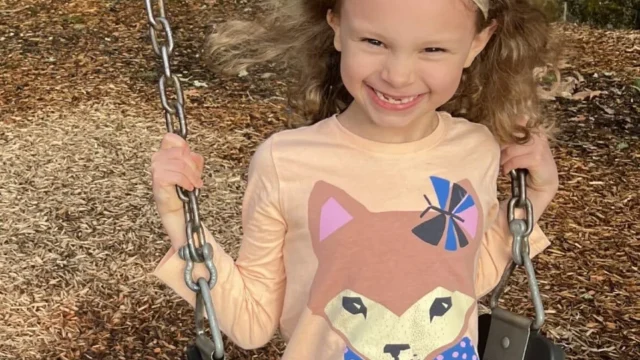
For the Krenn family, the transition from the fear of the initial diagnosis to the current reality of a confident, imaginative three-year-old reflects the success of the intervention model. While challenges remain—such as managing the ongoing demands of apraxia of speech—the foundation provided by early, consistent, and expert intervention has fundamentally reshaped their outlook. The story of Jack Krenn serves as a reminder that with the right support, the limitations once associated with hearing loss are increasingly being dismantled, replaced by a trajectory of inclusion and achievement.
As the landscape of pediatric audiology and speech therapy continues to evolve, the focus remains clear: the integration of clinical excellence, family-centered support, and community engagement remains the most effective pathway for children navigating the complexities of hearing loss in the modern world.