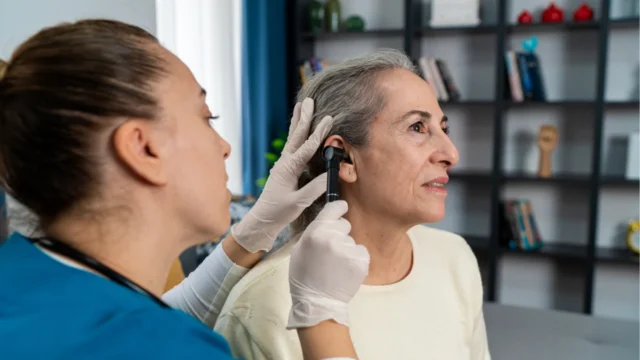

The distinction between cochlear and retrocochlear hearing loss is critical for accurate diagnosis and effective treatment. Both fall under the umbrella of sensorineural hearing loss, characterized by damage to the inner ear or the neural pathways. However, the specific site of the problem dictates the diagnostic approach and the potential therapeutic interventions. Retrocochlear hearing loss, by definition, involves the auditory nerve or the neural circuitry immediately following it, rather than the delicate hair cells within the cochlea.
Key Symptoms and Their Significance
Individuals experiencing retrocochlear hearing loss may present with a variety of symptoms, often varying in severity and presentation. One of the most commonly reported signs is unilateral hearing loss, where hearing is significantly impaired in one ear. This asymmetry can be a strong indicator that the issue lies beyond the cochlea. Furthermore, many individuals struggle with understanding speech, even in quiet environments, and this difficulty is often amplified in noisy situations. Words may sound muffled or distorted, leading to a feeling of being constantly out of sync with conversations.
Other significant symptoms can include tinnitus, a persistent ringing or buzzing in the ears, which can be particularly distressing and disruptive. Dizziness and balance problems are also frequently associated with retrocochlear disorders, as the auditory nerve plays a role in maintaining equilibrium. In some instances, individuals may report a sensation of facial numbness or weakness, particularly if a lesion or growth is impinging on nearby nerves. The subjective experience can be that sounds are perceived as loud enough, yet the meaning and clarity of spoken words remain elusive.
Differentiating Retrocochlear from Cochlear Hearing Loss

The fundamental difference between retrocochlear and cochlear hearing loss lies in the location of the pathology. Cochlear hearing loss originates within the cochlea, the spiral-shaped organ in the inner ear responsible for converting sound vibrations into electrical signals. Damage to the hair cells within the cochlea, often due to aging, noise exposure, or certain medications, leads to a reduced ability to detect sound across various frequencies.
Retrocochlear hearing loss, on the other hand, occurs after the cochlea has done its job. The problem lies in the transmission of these electrical signals along the auditory nerve, which then carries them to the brainstem and subsequently to the auditory cortex for interpretation. This can be due to issues affecting the nerve itself, or the initial processing centers in the brainstem.
A comparative overview highlights these distinctions:
| Feature | Cochlear Hearing Loss | Retrocochlear Hearing Loss |
|---|---|---|
| Location of Problem | Within the inner ear (cochlea) | Auditory nerve or neural pathways just beyond the inner ear |
| Impact on Hearing | Difficulty in detecting sound clearly | Sound signal transmission to the brain is unclear or distorted |
| Speech Understanding | Often challenging, especially in noise | Disproportionately poor, even with perceived sufficient loudness |
| Common Signs | Muffled sounds, difficulty with specific frequencies, noise intolerance | Unilateral loss, poor speech clarity, tinnitus, dizziness, balance issues, facial numbness |
| Potential Causes | Inner ear damage (aging, noise, ototoxicity) | Tumors, neurological conditions, nerve damage, vascular issues |
| Diagnostic Tools | Standard hearing tests (audiometry) | Hearing tests plus specialized tests (ABR, MRI) |
| Treatment Approach | Varies by degree and type of loss | Dependent on the underlying cause |
The Spectrum of Causes for Retrocochlear Hearing Loss
Retrocochlear hearing loss can stem from a variety of underlying causes, and it is crucial to understand that a tumor is not the sole culprit. These conditions can arise from growths, neurological disorders, or other factors impacting the auditory nerve and its associated pathways.
One of the most well-known causes is a vestibular schwannoma, a benign (non-cancerous) tumor that develops on the vestibulocochlear nerve, which carries both auditory and balance information. As this tumor grows, it can compress the auditory nerve, leading to progressive hearing loss, tinnitus, and balance disturbances.
Multiple Sclerosis (MS), a chronic disease affecting the central nervous system, can also contribute to retrocochlear hearing loss. MS damages the myelin sheath that covers nerve fibers, disrupting the efficient transmission of nerve impulses along the auditory pathways.

Neurodegenerative disorders play a significant role. Conditions like Auditory Neuropathy Spectrum Disorder (ANSD), where the inner ear may function normally but the auditory nerve or brainstem pathways are impaired, are prime examples. In ANSD, the electrical signals generated by the cochlea are not transmitted or processed effectively. Hereditary neuropathies, which affect the nerve’s ability to process and transmit sound information, can also lead to retrocochlear issues.
Furthermore, other neurological or vascular conditions can compromise the auditory nerve or central auditory pathways. This includes issues related to blood flow, inflammation, or other disorders affecting the brainstem. Rare causes can encompass trauma, infections that directly affect the nerve, or congenital abnormalities.
Diagnostic Pathways: Unraveling the Mystery
Diagnosing retrocochlear hearing loss is a multi-faceted process that goes beyond routine hearing evaluations. An audiologist typically initiates the assessment with standard hearing tests, such as pure-tone audiometry to determine the range of hearing and speech audiometry to evaluate speech comprehension. These tests help establish the degree and type of hearing loss.
However, in cases where retrocochlear pathology is suspected, further specialized testing is crucial. Auditory Brainstem Response (ABR) testing is a cornerstone diagnostic tool. This non-invasive test measures the electrical activity in the auditory nerve and brainstem in response to sound stimuli. Abnormal ABR results can indicate a delay or absence of signal transmission along these pathways, pointing towards a retrocochlear issue.
Magnetic Resonance Imaging (MRI) scans are often employed to visualize the auditory nerve and surrounding structures. An MRI can effectively detect tumors, inflammation, or other abnormalities that might be compressing or damaging the nerve. This imaging technique provides detailed anatomical information essential for identifying the precise cause of the retrocochlear hearing loss.
Speech testing is particularly revealing in diagnosing retrocochlear conditions. A hallmark of these disorders is a significant discrepancy between a person’s pure-tone hearing thresholds and their ability to understand speech. Individuals may have hearing levels that suggest they should understand speech reasonably well, yet they struggle considerably, especially in the presence of background noise. This disproportionately poor speech understanding is a strong clinical indicator.
Interpreting the Audiogram: Clues and Limitations
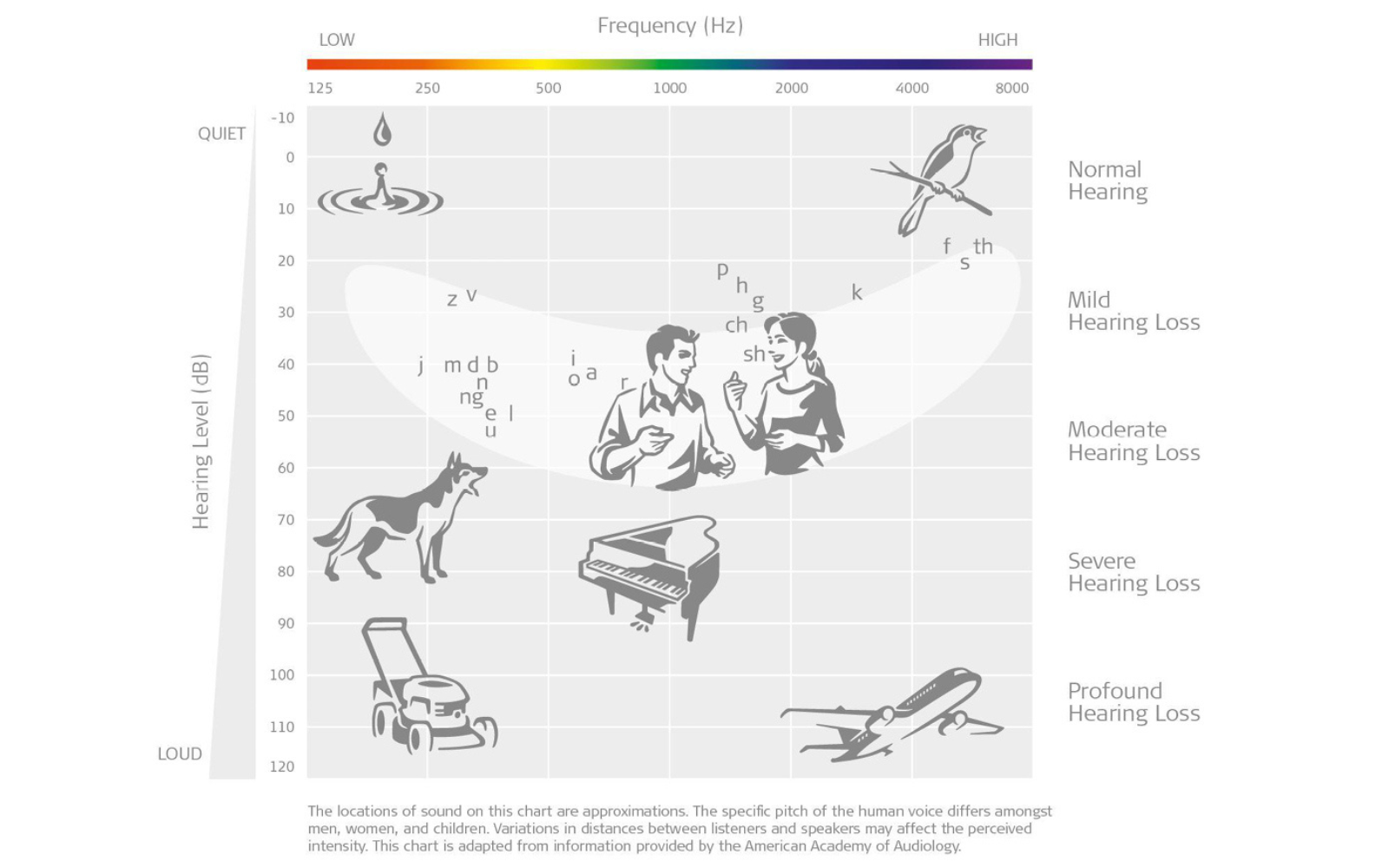
An audiogram, a graphical representation of a person’s hearing ability across different frequencies, can offer valuable clues but is rarely conclusive on its own for diagnosing retrocochlear hearing loss. While there isn’t a single audiogram pattern that definitively identifies a retrocochlear problem, certain findings can raise suspicion.
Asymmetric hearing loss, where one ear’s hearing is significantly poorer than the other, is a common observation. Similarly, unilateral hearing loss, affecting only one ear, is a strong red flag. A significant difference between the pure-tone average and the speech recognition score (often referred to as the word recognition score or WRS) is another crucial indicator. If a patient has relatively good hearing thresholds but a very poor WRS, it suggests that the problem lies in the clarity of the signal transmission rather than just the ability to detect sound.
However, it is imperative to emphasize that audiogram findings must always be interpreted in conjunction with other clinical information, patient history, and the results of specialized tests like ABR and MRI. The audiogram provides a foundational understanding of hearing function, but it is the combination of diagnostic tools that paints a complete picture.
Treatment Strategies: A Cause-Specific Approach
The treatment for retrocochlear hearing loss is highly individualized and entirely dependent on the underlying cause. There is no universal treatment protocol; rather, therapeutic strategies are tailored to address the specific condition.
For tumors like vestibular schwannomas, treatment options may include observation, surgical removal, or stereotactic radiosurgery, depending on the tumor’s size, location, and the patient’s overall health and symptoms. The goal is to manage the tumor’s growth and alleviate pressure on the auditory nerve.
In cases related to neurological conditions like Multiple Sclerosis, treatment focuses on managing the disease itself. This may involve medications to reduce inflammation and slow disease progression. Rehabilitation therapies, including speech and auditory training, can also be beneficial.
Hearing rehabilitation plays a vital role for many individuals with retrocochlear hearing loss. While traditional hearing aids may offer some benefit, their effectiveness can be limited, especially when the auditory nerve’s ability to process amplified sound is compromised.
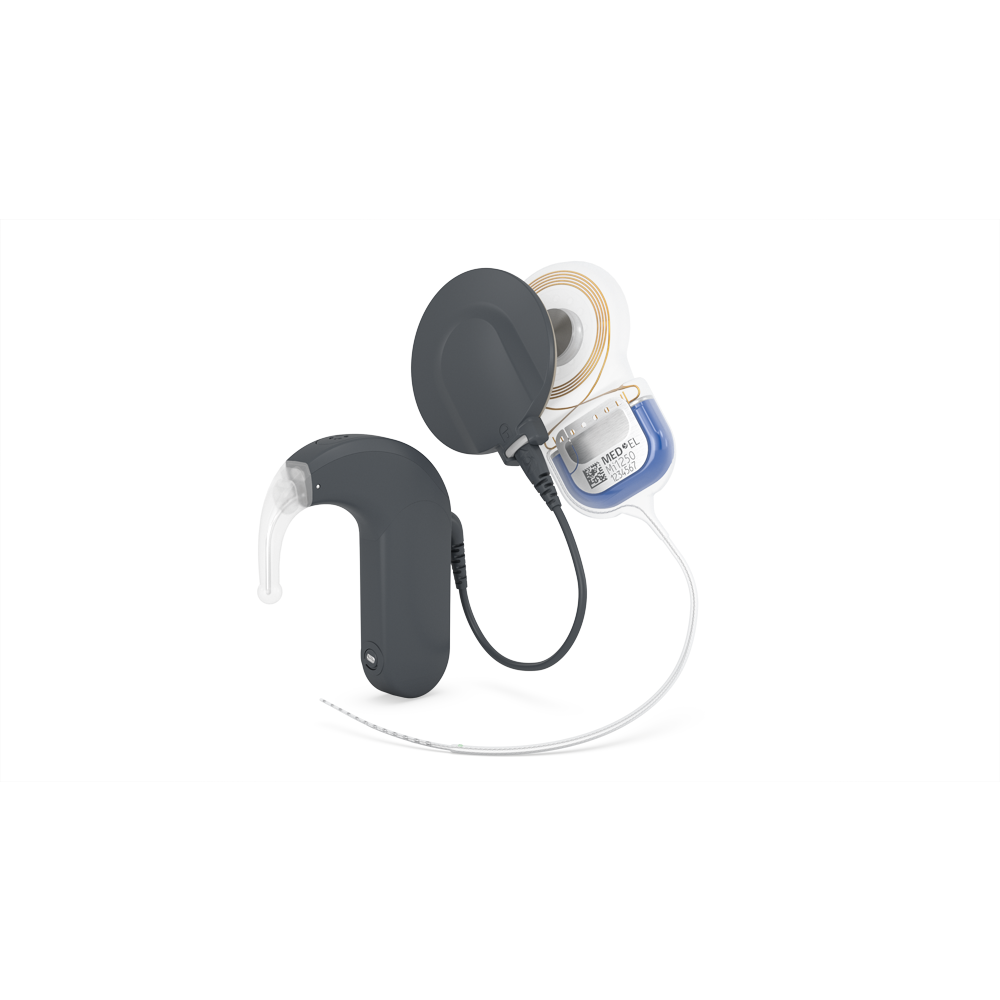
In carefully selected cases where hearing aids are insufficient and the auditory nerve function is compromised, implantable hearing solutions may be considered. This can include cochlear implants, which bypass the damaged cochlea and directly stimulate the auditory nerve. For individuals with specific types of retrocochlear hearing loss, such as auditory neuropathy, specialized devices or auditory brainstem implants (ABI) might be explored. The decision to pursue implantable solutions is based on a comprehensive evaluation of hearing levels, speech understanding capabilities, and the integrity of the auditory nerve. MED-EL, a leading provider of hearing implant systems, offers a range of solutions that may be considered within a comprehensive medical evaluation and care plan when clinically appropriate.
When to Seek Professional Evaluation
It is crucial for individuals to be aware of the signs and symptoms that warrant prompt medical attention. Any sudden or significant changes in hearing, particularly in one ear, should be evaluated by a healthcare professional without delay. Persistent tinnitus, especially if it is unilateral or accompanied by other symptoms, requires investigation. A noticeable decline in speech understanding, even if sounds are perceived as loud enough, should prompt a consultation. Dizziness, balance problems, or any new neurological symptoms, such as facial numbness or weakness, are also critical indicators that necessitate immediate medical assessment.
Early diagnosis is paramount in retrocochlear hearing loss. Prompt evaluation by audiologists, ENT specialists, neurotologists, or neurologists can lead to the identification of the underlying cause, enabling timely intervention and potentially preventing further progression of the condition.
Broader Implications and Future Directions

The impact of retrocochlear hearing loss extends beyond mere auditory impairment, affecting an individual’s quality of life, communication abilities, and overall well-being. The challenges in understanding speech can lead to social isolation, difficulties in professional settings, and increased cognitive load. The associated symptoms like tinnitus and dizziness can further exacerbate these challenges.
Ongoing research in audiology, neurology, and medical imaging continues to refine our understanding of retrocochlear pathologies. Advances in diagnostic techniques, such as more sophisticated neuroimaging and electrophysiological assessments, are improving the accuracy and speed of diagnosis. Furthermore, the development of more advanced implantable hearing solutions and personalized rehabilitation strategies offers hope for improved outcomes for individuals living with these complex hearing conditions.
The growing awareness of retrocochlear hearing loss underscores the importance of comprehensive hearing healthcare. By understanding the intricate interplay between the auditory nerve and the brain, and by recognizing the subtle yet significant symptoms, individuals can take proactive steps towards seeking the necessary medical evaluation and support. The journey from sound perception to comprehension is a complex one, and retrocochlear hearing loss highlights the critical role of every component in this remarkable biological process.