Defining the Clinical Landscape
Microtia and atresia are congenital anomalies that occur during the first trimester of fetal development. Statistics from the Centers for Disease Control and Prevention (CDC) suggest that microtia occurs in approximately 1 in every 2,000 to 10,000 births, with prevalence varying by geographic and demographic factors. When atresia accompanies microtia, the sound waves are physically obstructed from reaching the inner ear, leading to conductive hearing loss.
In cases where the condition is unilateral—impacting only one side—the affected individual is diagnosed with Unilateral Hearing Loss (UHL) or single-sided deafness (SSD). For decades, clinical practice often marginalized UHL, assuming that the presence of a healthy, "typical" ear was sufficient for normal linguistic and social development. However, contemporary longitudinal research has upended this perspective. Studies now indicate that children with UHL are at a significantly higher risk for academic delays, social fatigue, and difficulties in spatial auditory processing compared to their peers with bilateral hearing.
The Chronology of Development and Intervention
The journey for a child born with microtia and atresia often begins in the neonatal period. Early identification is the cornerstone of successful outcomes.
- Neonatal Screening: Initial newborn hearing screenings identify the presence of conductive hearing loss.
- Diagnostic Confirmation: Between birth and six months, audiologists and otolaryngologists confirm the physical anatomy (atresia) and the severity of the hearing loss.
- Early Intervention (Birth to Three): During this critical window of neuroplasticity, families are introduced to Listening and Spoken Language (LSL) strategies. This phase focuses on parental coaching, ensuring that the home environment is optimized for auditory input.
- Preschool and School-Age Transition: As children enter formal education, the focus shifts to self-advocacy and managing complex listening environments, such as classrooms with high ambient noise levels.
The Cognitive Cost of Unilateral Hearing Loss
The primary challenges for children with UHL are not merely a matter of volume; they are matters of localization and signal-to-noise ratios. In a classroom, a child must synthesize information while filtering out background chatter, shuffling chairs, and hallway noise. A child with UHL lacks the benefit of "binaural squelch"—the brain’s ability to use both ears to suppress background noise and focus on a specific speaker.
Research published in pediatric audiology journals indicates that children with UHL face a phenomenon known as "listening fatigue." Because the brain is forced to exert constant, high-level effort to process sound and localize the source of speech, these children often experience exhaustion by the end of the school day. This exhaustion frequently manifests as behavioral irritability or disengagement, which, if misunderstood by educators, can be misattributed to learning disabilities or behavioral issues rather than the physical reality of auditory processing strain.
Listening and Spoken Language: A Pedagogical Framework
Listening and Spoken Language (LSL) education represents a paradigm shift in how professionals support children with hearing loss. Rather than relying solely on visual cues or sign language, LSL emphasizes the use of assistive technology—such as bone-conduction hearing aids or Ponto systems—to maximize the child’s residual hearing.
The philosophy behind LSL is that if a child is provided with consistent, clear auditory access during the brain’s formative years, they can develop spoken language on par with their hearing peers. This involves:
- Auditory Mapping: Training the brain to interpret sounds received through assistive devices.
- Environmental Modification: Teaching parents and teachers how to position themselves to favor the child’s "good" ear.
- Self-Advocacy Training: Equipping the child to explain their hearing needs to peers and teachers, a skill that significantly correlates with long-term academic success.
Case Study: A Trajectory of Success
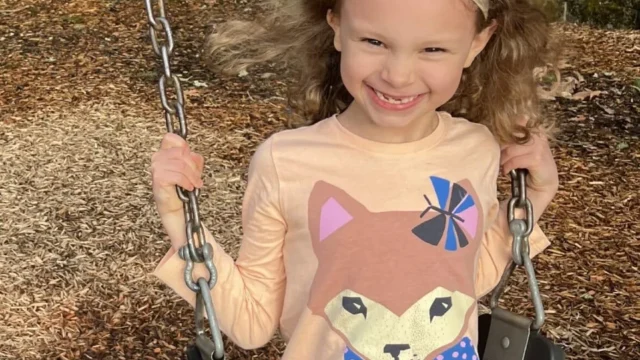
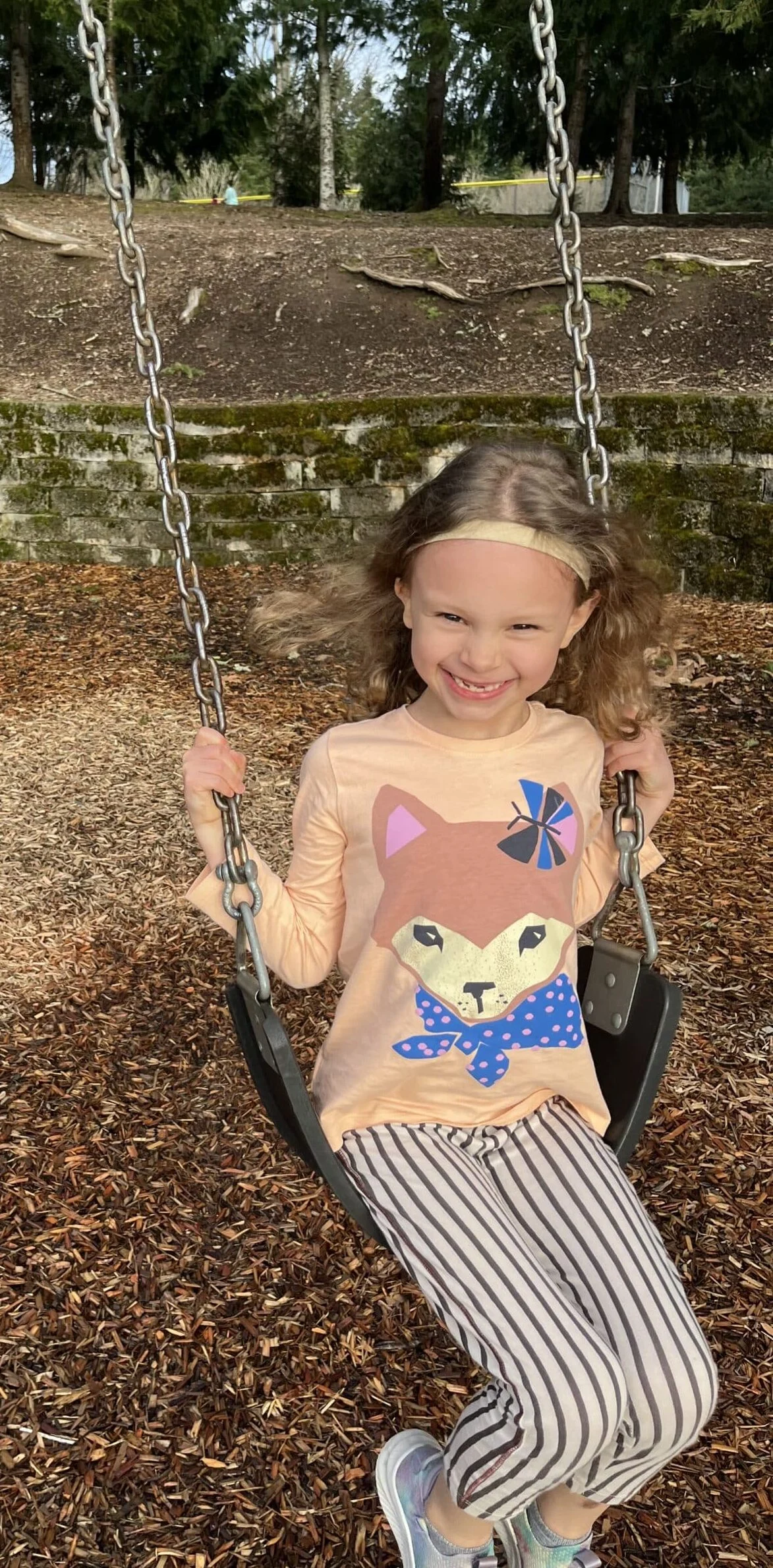
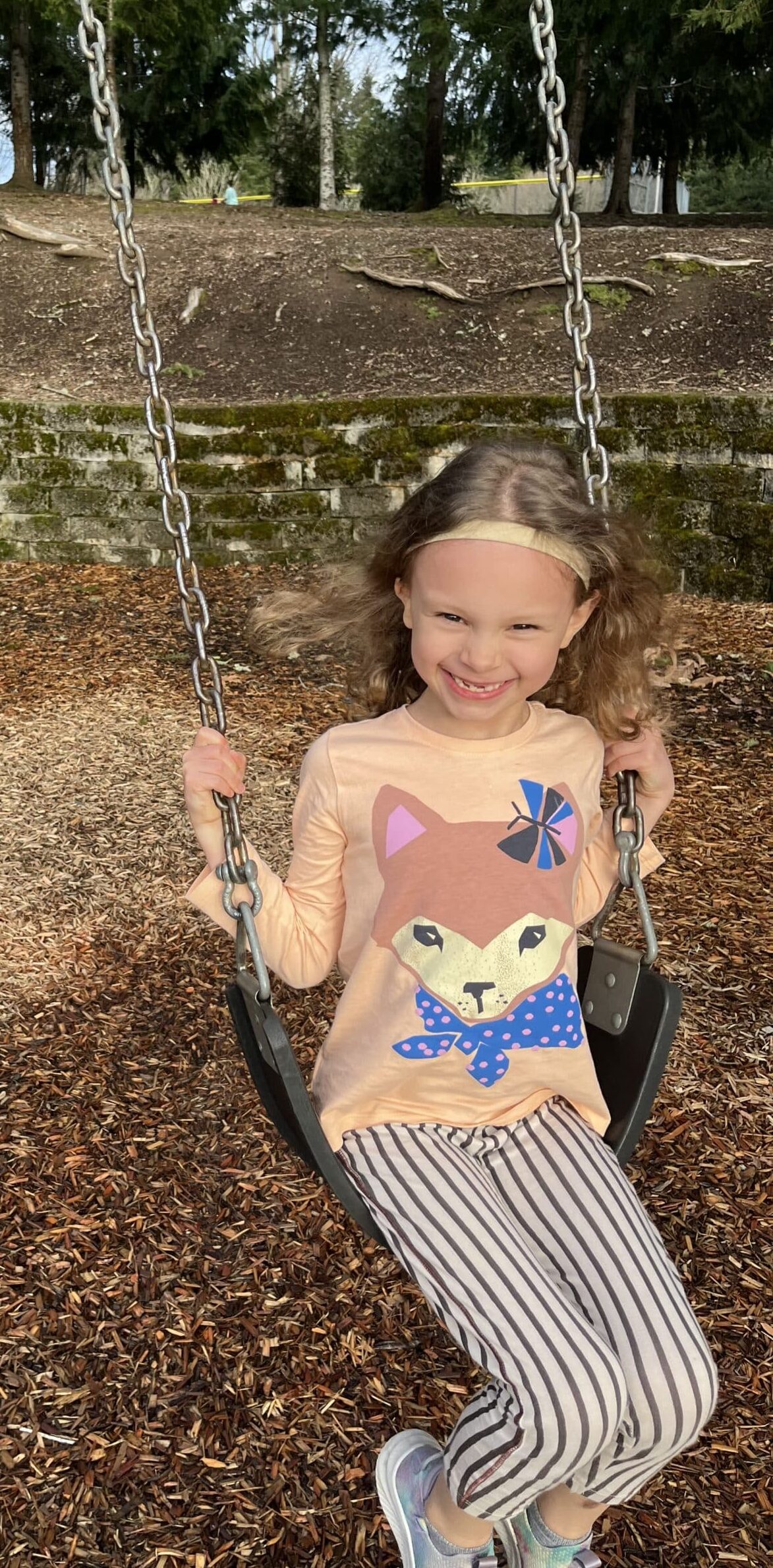
The experience of Adeline, a young student who has navigated the challenges of microtia atresia with the support of organizations like Listen and Talk, illustrates the transformative power of early intervention. Diagnosed at five weeks of age with unilateral moderate to severe conductive hearing loss, Adeline’s path involved navigating complex medical and educational systems.
According to her mother, Jessie, the initial period post-diagnosis was defined by a lack of guidance. The transition to a specialized LSL program provided the family with a roadmap. "Listen and Talk stepped in alongside our family as we were navigating a new diagnosis that we knew nothing about," Jessie stated. Through years of therapy, Adeline transitioned from a child who struggled to communicate outside of "safe spaces" to a confident first grader.
The implications of this trajectory are clear: early, consistent support does not just improve hearing; it builds the child’s identity. Adeline’s ability to participate in choir and advocate for her hearing technology is a testament to the fact that with the right tools, a child’s potential is not defined by their anatomical limitations.
Broader Implications and Societal Responsibility
The broader societal impact of supporting children with microtia atresia extends beyond the individual. By investing in early intervention programs, the healthcare and educational sectors reduce the long-term economic and social costs associated with special education services and potential underemployment in adulthood.
Furthermore, the integration of these children into mainstream environments fosters greater neurodiversity and empathy. When children are encouraged to discuss their hearing technology openly—as Adeline does with her peers—it dismantles the stigma surrounding hearing loss.
However, the availability of these services remains a challenge. While early intervention is a mandated right in many regions, the quality and accessibility of specialized LSL professionals vary. Organizations and educational centers are currently advocating for increased funding to support audiology testing, speech therapy, and parent-education programs.
A Call for Continued Support
As the medical and educational communities mark National Microtia Atresia Awareness Day, the focus remains on the "whole child." The data is compelling: the brain is remarkably plastic in early childhood, and the intervention provided during this time dictates the quality of life for decades to follow.
Experts argue that the "wait and see" approach for UHL is no longer medically or ethically defensible. Instead, the focus must be on proactive management. This includes:
- Universal Screening: Ensuring that hearing loss, even if unilateral, is identified and addressed within the first weeks of life.
- Resource Allocation: Strengthening the link between clinical audiologists and LSL-trained educators to ensure a seamless transition from diagnosis to classroom support.
- Community Education: Providing public schools with the necessary training to accommodate students with UHL, ensuring that classrooms are physically and pedagogically inclusive.
For families, the message remains one of hope and action. The resources available—from comprehensive diagnostic guides to local support groups like Washington Hands and Voices—provide a safety net that did not exist for previous generations. As we move forward, the goal remains the vision shared by advocates worldwide: that no child is limited by the structure of their ear, provided they are given the support to hear, to communicate, and to thrive in a hearing world. Through sustained public awareness and the continued dedication of specialized service providers, the future for children with microtia atresia is one of increasing integration and achievement.