Historical Context and the Evolution of AAC Literacy
Augmentative and Alternative Communication (AAC) encompasses the communication methods used to supplement or replace speech or writing for those with impairments in the production or comprehension of spoken or written language. Historically, the academic literature defining the "gold standard" of AAC practice—ranging from assessment protocols to technological intervention—has been disproportionately concentrated in English-language publications originating from North America and Northern Europe.
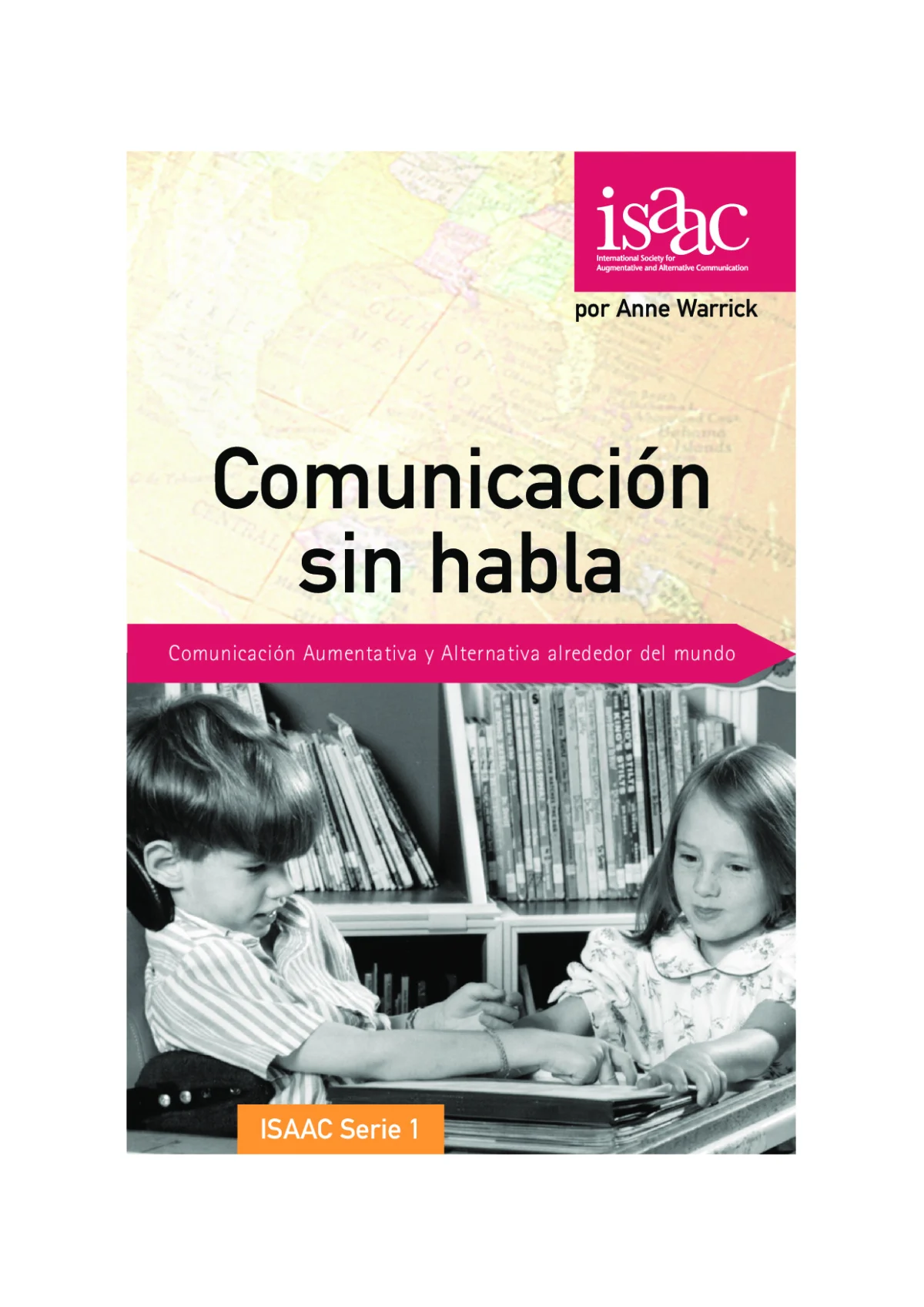
For decades, practitioners in Latin America and Spain relied on fragmented translations or English-language manuals. The transition toward a more inclusive knowledge base began in earnest during the late 20th century, led by organizations such as the International Society for Augmentative and Alternative Communication (ISAAC). These entities recognized that without standardized terminology and culturally adapted pedagogical tools, the implementation of AAC would remain inconsistent across different socioeconomic and linguistic landscapes.
The recent push to celebrate International Book Day within the AAC community is not merely symbolic; it represents a strategic effort to formalize the distribution of clinical knowledge. By designating the weeks surrounding late April as a time to review and recommend literature, advocates are institutionalizing the habit of professional development among Spanish-speaking stakeholders.
The Landmark Reference: A New Standard for Spanish AAC
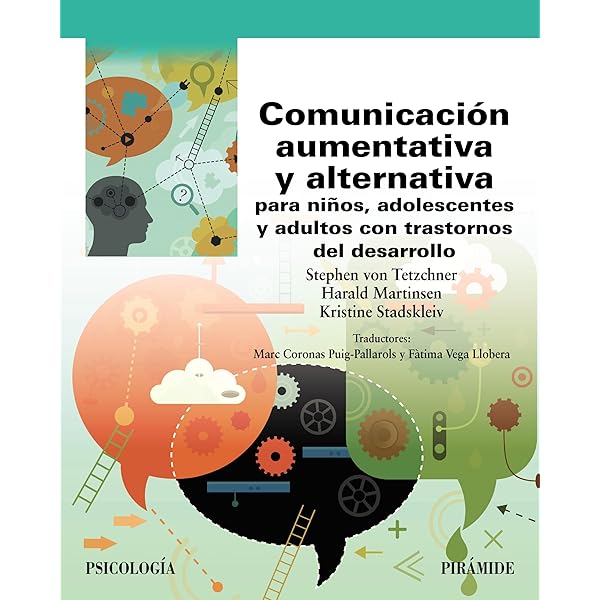
The emergence of high-quality, comprehensive texts is central to this shift. Among the most significant contributions to the field is the Spanish translation of Augmentative and Alternative Communication for Children, Adolescents and Adults with Developmental Disorders, authored by Stephen von Tetzchner, Harald Martinsen, and Kristine Stadskleiv.
This publication is widely regarded by clinical researchers as a seminal work. It addresses the fundamental pillars of AAC, including:
- Neurological and Developmental Foundations: Examining how developmental disorders affect language acquisition and the cognitive requirements for AAC.
- Assessment Frameworks: Providing evidence-based methodologies to evaluate the communication needs of individuals, moving away from subjective observation toward standardized, replicable metrics.
- Intervention Strategies: Outlining long-term support systems that evolve alongside the user, rather than static, one-time interventions.
The impact of this text is measurable. By providing a common linguistic framework for Spanish-speaking clinicians, it facilitates a more standardized approach to care, which is vital for longitudinal patient tracking and interdisciplinary collaboration.
Data Trends in Global Communication Accessibility
The need for localized AAC resources is supported by demographic and clinical data. According to the World Health Organization (WHO), over 1 billion people live with some form of disability, with a significant percentage experiencing communication disorders that could benefit from AAC. In Spanish-speaking regions, the prevalence of conditions such as cerebral palsy, autism spectrum disorder, and complex communication needs is consistent with global averages, yet access to specialized literature remains a significant barrier to effective service delivery.

Market analysis of academic publishing in the field of speech-language pathology indicates a 15% year-over-year increase in demand for translated clinical manuals in Spanish. This growth is largely driven by:
- Academic Requirements: Universities in Spain, Mexico, Argentina, and Colombia are increasingly incorporating formal AAC modules into speech-language pathology and special education curricula.
- Digital Integration: The rise of digital publishing platforms has allowed specialized organizations to disseminate translated materials more rapidly than traditional print media, reducing the "knowledge gap" between the publication of original research and its availability in Spanish.
- Parental Advocacy: Increased access to the internet has empowered families to seek evidence-based information, creating a bottom-up demand for high-quality professional literature that supports their children’s rights to communication.
Chronology of AAC Resource Development
- 1980s–1990s: AAC emerges as a distinct clinical discipline; English remains the sole language for primary academic research.
- 2000–2010: Increased efforts by ISAAC and regional chapters to facilitate international exchange; initial development of basic pamphlets and translated training manuals.
- 2015–2020: Shift toward the translation of comprehensive, textbook-length academic works; focus on evidence-based practices (EBP).
- 2021–2025: Digital transformation allows for the rapid circulation of materials; integration of AAC-specific literacy into professional training programs.
- 2026 and Beyond: A focus on "contextualized practice," where translated materials are not just linguistically accurate but culturally adapted to the social and educational environments of Spanish-speaking countries.
Implications for Practitioners and Families
The availability of these resources carries profound implications for the quality of care. For the clinician, having access to theory and practice in their native language eliminates the cognitive load of translating complex clinical concepts, thereby reducing the margin for error in application. For the educator, it provides a roadmap for creating inclusive classrooms that support students with complex communication needs.
Perhaps most importantly, for the family, the availability of these books acts as a bridge. Parents and primary caregivers are often the primary AAC facilitators in a child’s life. When they have access to professional-grade literature, they become better equipped to advocate for the necessary supports within school systems and healthcare networks. This shift from "informal support" to "informed advocacy" is a critical outcome of the current initiative.
Future Perspectives: Towards a More Inclusive Field
The discourse surrounding International Book Day within the AAC community is expected to expand in the coming years. Experts anticipate that the next phase of development will focus on the creation of "original" content rather than solely relying on translations. As Spanish-speaking clinicians begin to document their own experiences, research, and unique clinical successes, the global body of AAC knowledge will be enriched by a diversity of perspectives.
Organizations that facilitate these resources are now looking toward collaborative models, such as shared digital libraries and open-access journals, to ensure that the cost of materials does not become a secondary barrier to inclusion. As the field matures, the goal remains the same: ensuring that every individual, regardless of their language or location, has the tools required for autonomous and effective communication.
The commitment to expanding these resources is a testament to the belief that language is not a luxury, but a fundamental human right. By continuing to prioritize the translation and dissemination of scholarly work, the AAC community is not only celebrating the power of the book but is actively dismantling the barriers that have historically kept communication-impaired populations on the margins of society. Through informed practice, standardized training, and a dedication to academic rigor, the future of AAC in Spanish-speaking regions is becoming increasingly clear, connected, and capable of fostering meaningful change.