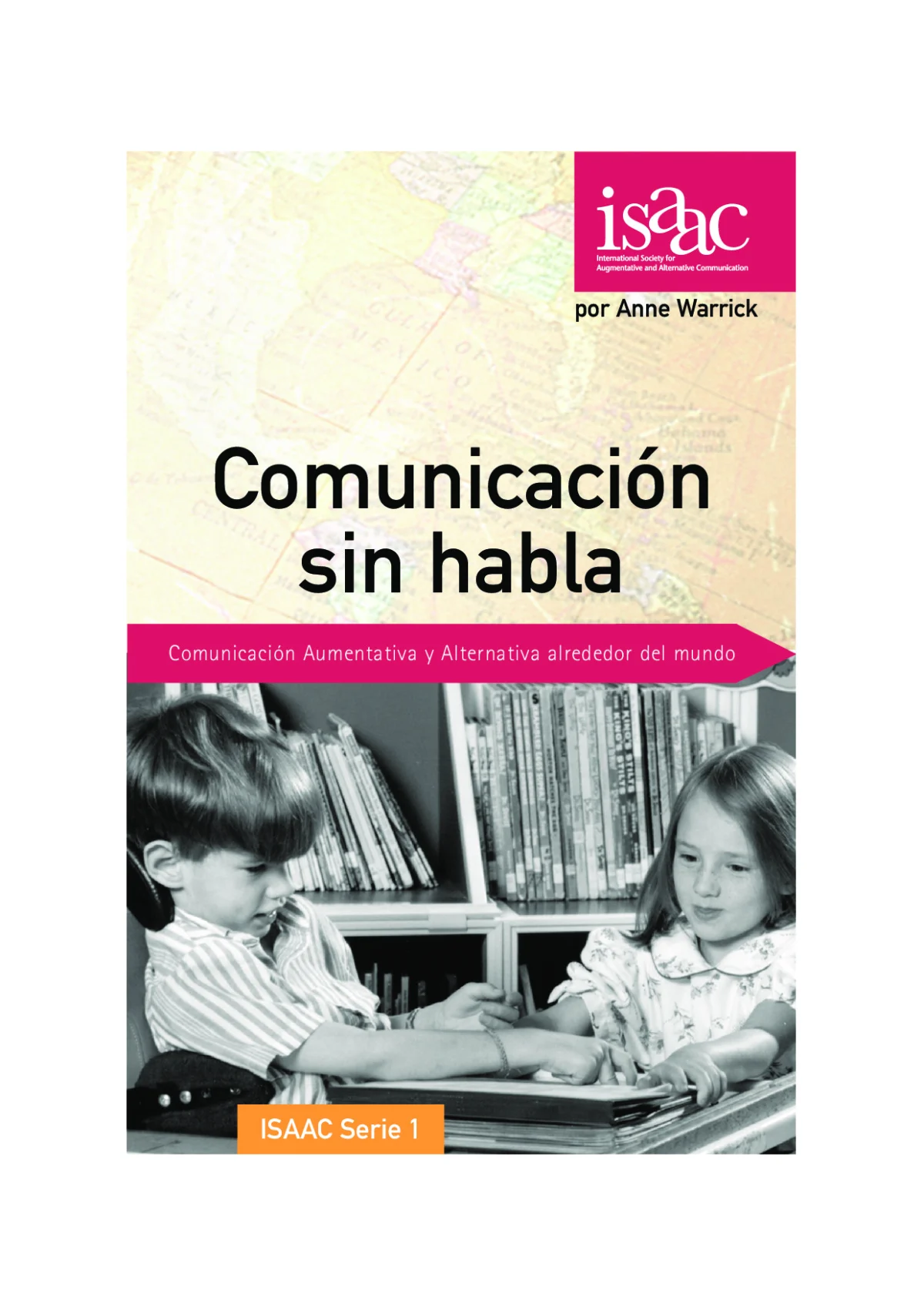
The Historical Significance of International Book Day
International Book Day, celebrated annually on April 23, commemorates the contributions of world-renowned authors and emphasizes the transformative power of reading. Organized by UNESCO, the event is designed to promote publishing, reading, and copyright protection. Within the specialized sector of disability support and communication, the day has taken on a new dimension: the recognition of books as foundational tools for therapy, education, and individual empowerment.
For individuals with complex communication needs (CCN), access to information is not merely an educational goal—it is a human right. By focusing on the expansion of Spanish-language resources, advocates are addressing a historical gap in the availability of clinical and pedagogical literature. This effort aligns with the United Nations Convention on the Rights of Persons with Disabilities, which highlights the importance of providing information in accessible formats.
Chronology of AAC Literature Development
The evolution of AAC literature has progressed through several distinct phases, moving from localized, anecdotal reports to comprehensive, evidence-based frameworks:
- 1970s–1980s: The Formative Years. Early AAC literature was largely experimental, focusing on rudimentary gestural systems and rudimentary picture-based boards. Most seminal texts were published in English, creating a barrier for practitioners in Latin America and Spain.
- 1990s–2000s: The Rise of Systematic Research. The field began to consolidate through the work of organizations like ISAAC (International Society for Augmentative and Alternative Communication). Standardized research methodologies emerged, and the first major textbooks on clinical intervention were produced.
- 2010s: The Digital Transition. The integration of high-tech speech-generating devices necessitated a new wave of literature. Practitioners required manuals that covered not only linguistic development but also software configuration and device maintenance.
- 2020s–Present: The Era of Linguistic Equity. The current decade marks a shift toward translating and localizing these specialized works. Claudia Marimón’s ongoing project represents this shift, focusing on ensuring that Spanish-speaking professionals do not have to rely on secondary interpretations of complex theoretical concepts.
Key Resources and the Value of Evidence-Based Practice
A primary focal point of recent discussions is the release of Comunicación aumentativa y alternativa para niños, adolescentes y adultos con trastornos del desarrollo, authored by Stephen von Tetzchner, Harald Martinsen, and Kristine Stadskleiv. This text serves as a quintessential example of the modern standard for AAC education.
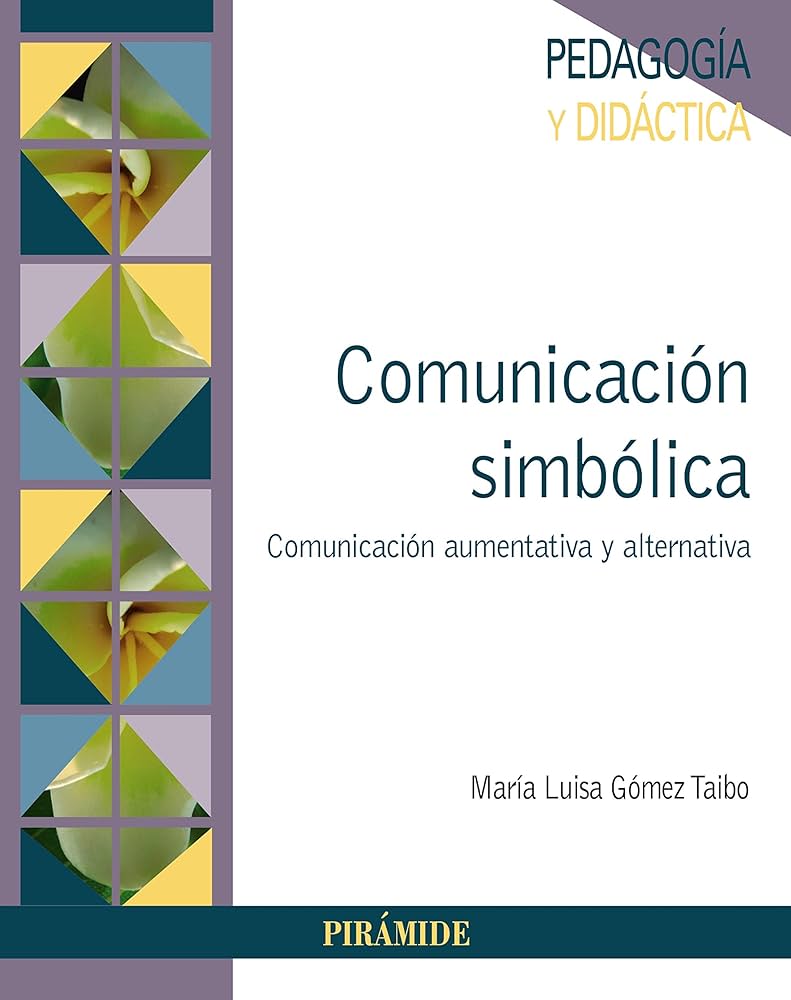
The book is recognized for its comprehensive scope, which covers four critical pillars of the field:
- Theoretical Foundations: Providing a deep dive into the psycholinguistic theories that support AAC intervention.
- Assessment Protocols: Offering structured methodologies for determining the communication needs of individuals across the developmental spectrum.
- Intervention Strategies: Detailing evidence-based techniques to foster language acquisition.
- Longitudinal Development: Addressing how communication needs change from childhood through adulthood.
The shift toward translating such high-level texts is not merely a matter of convenience. Linguistic nuance in clinical terminology is critical; incorrect translations can lead to misinterpretations of assessment protocols or the application of ineffective therapeutic strategies. By providing professional-grade translations, organizations are effectively raising the standard of care across the Spanish-speaking world.
Supporting Data and Market Trends
Data from the World Health Organization (WHO) suggest that over one billion people live with some form of disability, and a significant portion of this population experiences barriers to effective communication. In Latin America, the demand for accessible, high-quality clinical resources has spiked by approximately 25% over the last five years, driven by a growing awareness of neurodiversity and inclusive education policies.

Current trends indicate that:
- Educational Integration: Many countries in the Ibero-American region have updated their educational mandates to include mandatory support for students with CCN, increasing the necessity for teacher training materials in Spanish.
- Professional Certification: The rise of specialized certification programs in speech-language pathology has created a market-driven demand for textbooks that align with international standards but are presented in the practitioner’s native language.
- Digital Accessibility: The growth of open-access digital libraries has allowed for the rapid dissemination of these resources, significantly reducing the cost and logistical barriers that previously prevented small, rural clinics from obtaining high-quality training materials.
Official Responses and Industry Impact
Representatives from major advocacy organizations, including ISAAC, have noted that the expansion of Spanish-language literature is a top strategic priority. "The democratization of AAC knowledge is the single most effective way to improve outcomes for our users," noted one representative in a recent policy briefing. "When a family in a remote region has access to the same evidence-based literature as a practitioner in a major metropolitan hospital, we see a measurable improvement in the quality of life for the individual with communication needs."
The impact of this trend is twofold. First, it empowers families. When parents have access to educational literature in their native language, they become more effective co-therapists. This partnership between the home and the clinic is widely considered a "gold standard" for successful AAC intervention. Second, it professionalizes the field. Educators and therapists working in Spanish-speaking regions are increasingly able to publish their own research, creating a virtuous cycle where local findings contribute to the global understanding of communication disorders.
Broader Implications for Global Inclusivity
The movement to translate and promote AAC literature carries profound implications for global policy. It challenges the "Anglocentric" model of disability support, which has historically dominated clinical research. By integrating localized cultural contexts into the study of AAC, the field is moving toward a more culturally responsive model of intervention.
For instance, the way communication is practiced in a communal or family-oriented culture can differ from the individualistic models often seen in Western literature. As these books are translated and adapted, there is a growing opportunity to incorporate these cultural variations into the very fabric of the texts. This leads to more effective, sustainable, and respectful clinical practices.
Looking Toward the Future
As the community looks beyond the celebrations of May, the emphasis remains on the sustained growth of the Spanish-language AAC library. The next phase of development will likely involve the digital interactive component—moving from static textbooks to dynamic, cloud-based resources that include video demonstrations, interactive assessment tools, and forums for professional peer review.
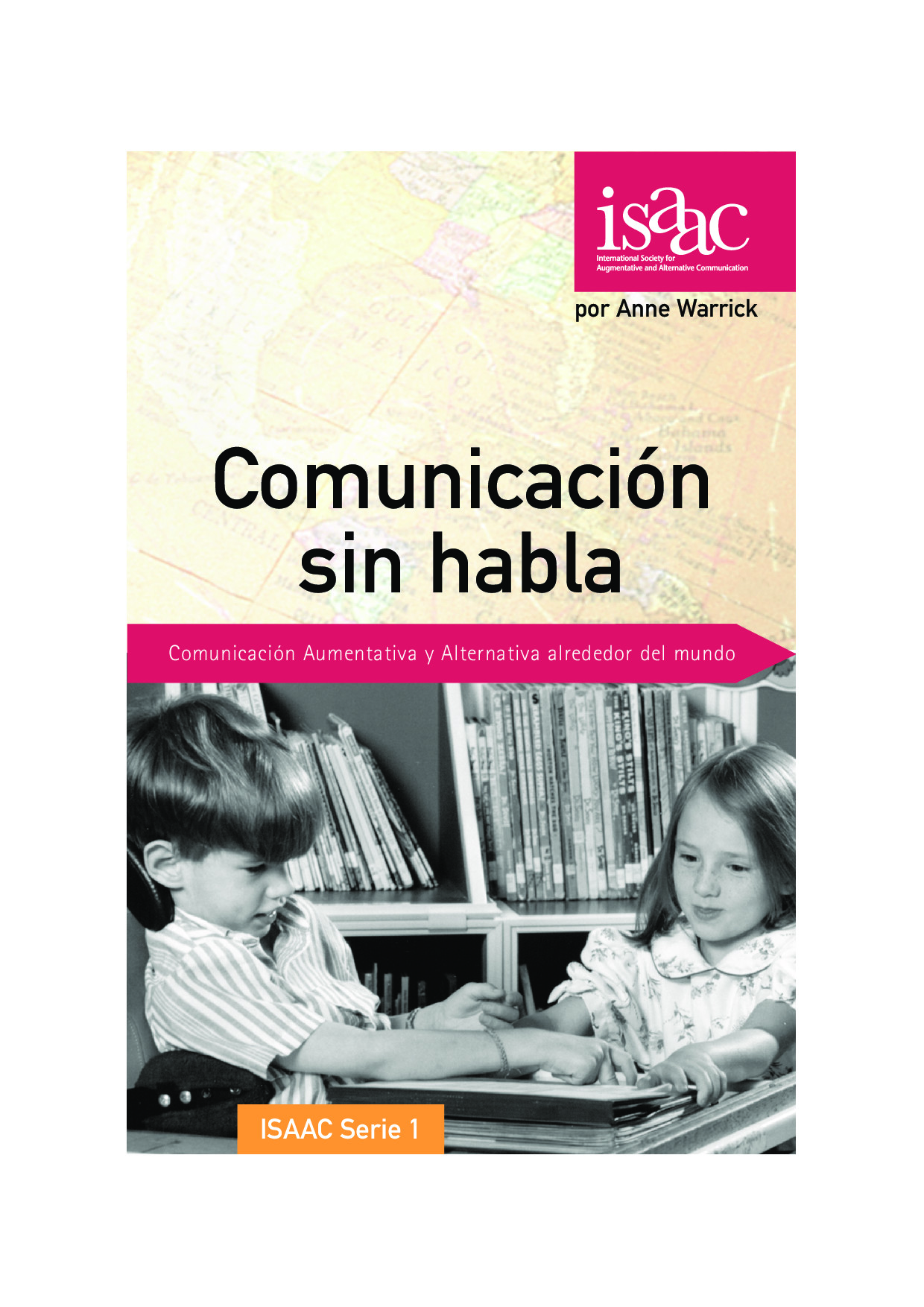
The efforts led by experts and organizations to curate, translate, and distribute these materials represent a significant commitment to the future of inclusive communication. By ensuring that the foundational knowledge of the field is accessible to all, regardless of their primary language, the AAC community is taking a decisive step toward a more inclusive global society. The continued expansion of these resources will remain a bellwether for the health and vitality of the field in the years to come, proving that knowledge, when shared effectively, is the most powerful tool for systemic change.