

The Context of the Opioid Crisis in American Industry
The release of this guidance comes against a backdrop of rising drug-related fatalities across the United States. According to data from the Centers for Disease Control and Prevention (CDC), the U.S. has seen a significant surge in overdose deaths involving synthetic opioids, primarily fentanyl, over the past decade. For the American workforce, the implications are profound. Industry sectors such as construction, mining, and manufacturing have reported higher rates of opioid-related incidents, often linked to the physical demands of these roles and the subsequent use of prescription pain management.
The shift toward workplace preparedness reflects a broader realization among federal regulators that the workplace is no longer immune to the societal impacts of the opioid crisis. By providing clear, actionable steps for intervention, OSHA aims to empower employers to treat opioid overdose as a preventable workplace emergency, comparable to cardiac arrest or severe physical trauma.

Core Components of the New OSHA Guidance
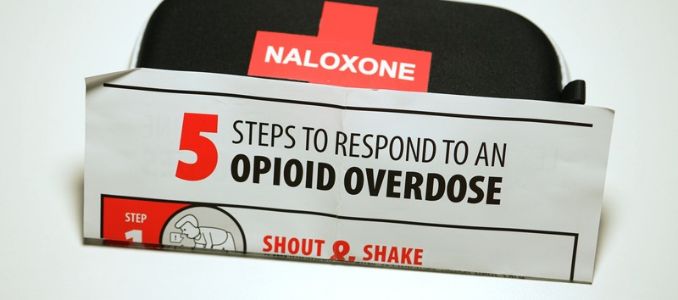
The new fact sheet focuses on the deployment of opioid antagonists, specifically naloxone and nalmefene. Naloxone, widely known by the brand name Narcan, has become the gold standard for reversing the respiratory depression caused by opioid overdoses. Nalmefene, a newer addition to the emergency response toolkit, offers a longer duration of action, which some experts argue provides a wider safety margin in cases of high-potency synthetic opioid exposure.
OSHA’s guidelines emphasize several key operational strategies:

- Strategic Placement: Medication should be stored in high-visibility, easily accessible locations. The agency suggests co-locating these kits near existing safety infrastructure, such as automated external defibrillators (AEDs) and standard first-aid kits. This integration ensures that responders do not have to search for life-saving equipment during the critical minutes following an overdose.
- Training and Competency: The guidance stresses that having the medication on-site is insufficient if staff members are not trained to administer it. Employers are encouraged to conduct hands-on training that covers the specific delivery mechanism available at their facility, whether it be nasal spray or an injectable format.
- Recognition of Symptoms: Educating the workforce on the physiological indicators of an overdose is paramount. OSHA identifies these as respiratory depression (slow or stopped breathing), cyanosis (blue or gray skin, lips, or fingernails), pinpoint pupils, and a total lack of responsiveness to external stimuli.
- Maintenance and Lifecycle Management: Much like any safety equipment, reversal agents have expiration dates. The guidance mandates regular audits of these kits to ensure that supplies are current and that storage instructions—specifically regarding temperature and light exposure—are strictly followed.
Chronology of Federal Intervention
The path to this guidance has been marked by a gradual evolution in workplace safety policy. In the mid-2010s, as the opioid crisis gained momentum, individual states began passing "Good Samaritan" laws to protect those who administered naloxone in good faith. By 2018, the National Safety Council (NSC) began lobbying for more robust employer-led initiatives, citing that nearly 75% of employers reported being impacted by opioid use in their workforce.
In 2022 and 2023, the Department of Labor (DOL) began conducting informal surveys and stakeholder meetings to gauge the appetite for federal oversight regarding substance abuse in high-risk industries. The resulting 2026 guidance is the culmination of these efforts, representing a pivot from passive awareness campaigns to active, facility-level emergency response planning.

Statistical Analysis and Risk Mitigation
The economic and human toll of the crisis is substantial. According to the Bureau of Labor Statistics (BLS), unintentional overdose deaths while on the job have trended upward, albeit inconsistently, since 2011. While the numbers represent a fraction of total workplace fatalities, they are often underreported due to the complexities of defining "work-relatedness" in cases involving substance use.
From a risk management perspective, the integration of naloxone into the workplace acts as a secondary layer of defense. The primary layer remains robust workplace wellness programs and drug-free workplace policies. However, experts in occupational medicine argue that the presence of reversal agents is as essential as a fire extinguisher. Just as a fire extinguisher does not cause a fire, the availability of naloxone is viewed by safety professionals not as an endorsement of drug use, but as a necessary component of an all-hazards emergency preparedness plan.

Official Reactions and Industry Implications
While OSHA has been clear that these guidelines do not carry the weight of a formal regulation, industry trade groups have largely responded with caution and cooperation. Representatives from the National Association of Manufacturers (NAM) and various construction unions have noted that the guidance provides a "safe harbor" for employers who were previously hesitant to stock naloxone due to potential liability concerns.
By standardizing the response, OSHA is providing a blueprint that shields employers from ambiguity. Legal analysts suggest that by following these guidelines, companies can better defend their emergency response protocols in the event of an incident. "This is about harm reduction," said a spokesperson for an occupational health consulting firm. "When an employer follows federal guidance to the letter, they are effectively establishing a standard of care that prioritizes human life above all else."

The Protocol for Emergency Response
A critical element of the new guidance is the insistence on immediate professional medical intervention. OSHA clarifies that the administration of naloxone or nalmefene is a "bridge," not a cure. The medication’s effects are temporary, and in the case of synthetic opioids like fentanyl, the drug’s potency may require multiple doses.
The protocol dictates that:

- 911 must be called immediately upon the discovery of an unresponsive individual.
- Responders must remain with the victim, monitoring breathing and consciousness.
- If the victim does not respond to the first dose within two to three minutes, a second dose should be administered if available.
- The victim should be placed in the "recovery position" to prevent choking if vomiting occurs, a common side effect of opioid reversal.
Broader Implications for Occupational Health
The issuance of this guidance marks a shift in the corporate responsibility landscape. As mental health and substance abuse become increasingly recognized as occupational health issues, the pressure on human resources and safety departments to address these challenges will likely grow.
Beyond the immediate goal of saving lives, this guidance encourages a cultural shift within the workforce. By normalizing the discussion around opioid overdoses, organizations may find it easier to implement auxiliary programs, such as Employee Assistance Programs (EAPs) and peer-support networks, which aim to address the root causes of addiction.

Furthermore, the integration of these supplies into existing safety infrastructure—such as the standard first-aid cabinet—signals a move toward a holistic approach to employee health. As technology continues to change the nature of the workplace, the ability to respond to medical crises remains a cornerstone of worker safety.
Conclusion
OSHA’s new guidance is a significant development in the ongoing effort to manage the intersection of public health and workplace safety. By equipping employers with the tools, knowledge, and procedural clarity needed to respond to opioid overdoses, the agency is taking a proactive step toward reducing preventable workplace fatalities. While the guidance is voluntary, the professional consensus is that its implementation is an essential step for modern, safety-conscious organizations. As employers digest these recommendations, the focus will likely shift from whether to implement these measures to how best to integrate them into the existing fabric of corporate health and safety culture. Through careful planning and consistent training, the American workplace can become a safer environment, capable of responding to the complexities of the modern opioid crisis with speed, confidence, and compassion.