The Critical Window: Early Intervention and Cochlear Implantation
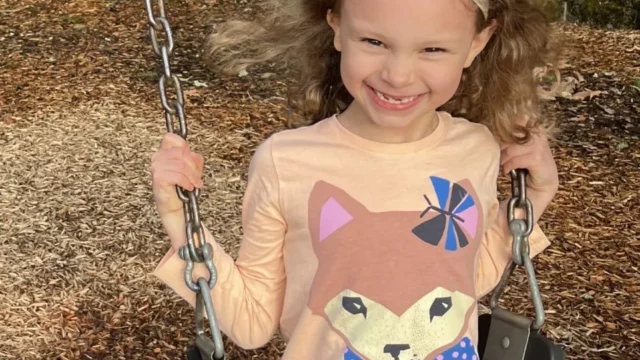
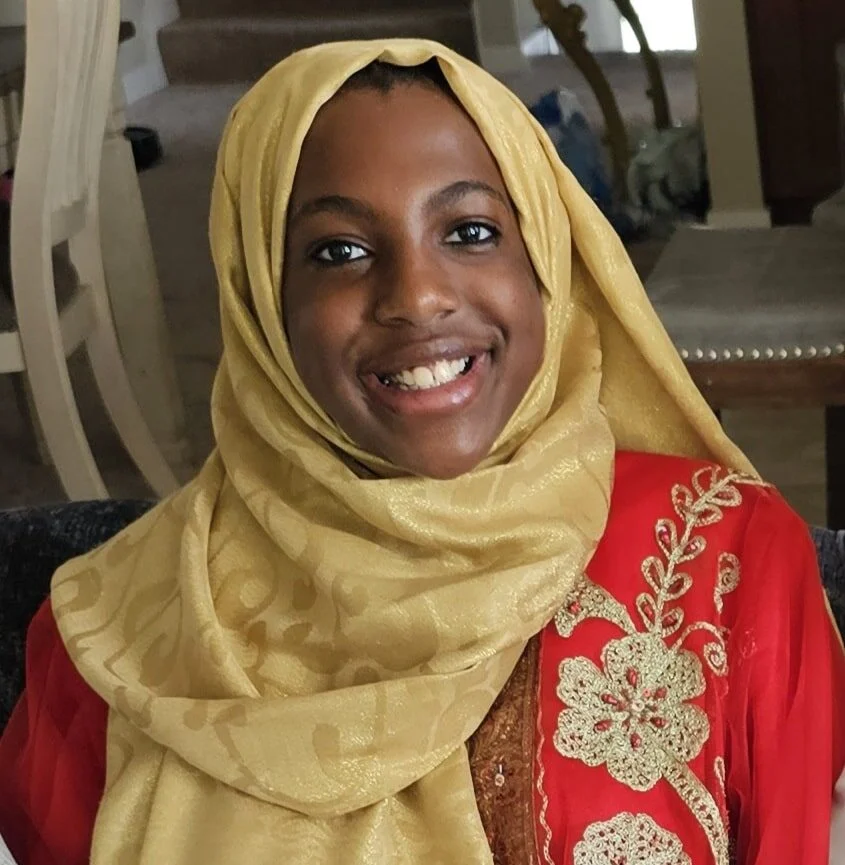
The trajectory of a child’s development when born with hearing loss is often determined by the speed and quality of intervention within the first three years of life. For Amalia, the clinical timeline began at 10 months old, the age at which she received her first cochlear implants. This window is considered critical by audiologists and pediatric specialists, as the human brain’s neuroplasticity is at its peak during the first few years of life.
Sensorineural hearing loss—the most common type of permanent hearing loss—occurs when there is damage to the inner ear or the nerve pathways from the inner ear to the brain. By utilizing cochlear implants, which bypass damaged portions of the ear and directly stimulate the auditory nerve, Amalia’s family chose a path toward auditory-verbal development. Listen and Talk served as the primary clinical and educational partner during this phase, providing both Birth to Three services and transition support into a Blended Classroom environment.
The philosophy behind this approach is rooted in the belief that children with hearing loss can learn to listen and talk with appropriate intervention. By focusing on auditory-verbal therapy, the program aims to integrate the child into mainstream society, minimizing the developmental gap between them and their hearing peers.
Chronology of Development
The development of a child with hearing loss requires a structured, multi-year progression. For Amalia, the process followed a deliberate sequence:
- Infancy (0–10 months): Identification of hearing loss and preliminary clinical assessment.
- The Surgical Intervention (10 months): Successful cochlear implantation, the foundational step for enabling access to sound.
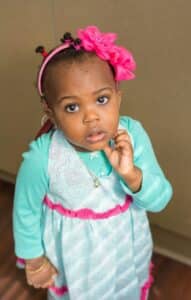
- Early Childhood (1–3 years): Engagement with Birth to Three specialized intervention services, focusing on language acquisition and auditory processing.
- Preschool/Early Education: Enrollment in a Blended Classroom, where Amalia practiced communication and social skills alongside both hearing and non-hearing peers.
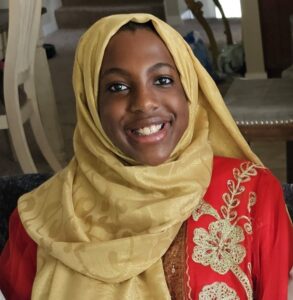
- School Age (Present): Integration into a general education classroom setting, characterized by full academic participation and extracurricular involvement.
This progression highlights that intervention is not a singular event but a continuous process of refinement. The support provided by specialized educators allowed Amalia to navigate the nuances of phonetics and syntax, which are often the most challenging aspects for children with cochlear implants to master in their early years.
Supporting Data on Auditory-Verbal Outcomes
The success seen in cases like Amalia’s is backed by broader data regarding the efficacy of early intervention. According to research from the Alexander Graham Bell Association for the Deaf and Hard of Hearing, children who receive high-quality LSL services consistently perform at levels comparable to their hearing peers in reading comprehension and standardized testing when provided with early access to sound and consistent, intensive therapy.
Furthermore, studies published in the journal Pediatrics indicate that children diagnosed and treated before six months of age show significantly higher language quotients by age three compared to those whose diagnosis or intervention is delayed. By initiating support at 10 months, Amalia was positioned within the high-probability success cohort.
The importance of the "Blended Classroom" cannot be overstated. By interacting with hearing peers early on, children with hearing loss develop social-pragmatic skills that are essential for long-term integration. These environments encourage the use of verbal communication in real-world, high-stimulation settings, which is essential for building the confidence required for later success in secondary and higher education.
Beyond the Classroom: Extracurricular Integration
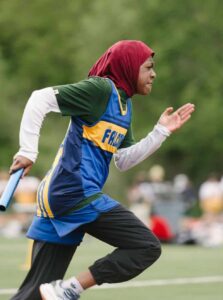
A core tenet of modern disability support is the "limitless" philosophy—the idea that a medical condition should not define or constrain a child’s extracurricular ambitions. Amalia’s active participation in swimming, track and field, and basketball demonstrates the successful internalization of these skills.
Sports participation for children with hearing loss involves unique challenges, particularly regarding safety and team communication. For a student with cochlear implants, physical activities require managing equipment under varied conditions—water-resistant casing for swimming, helmet compatibility for contact sports, and wind-noise management for outdoor track. Amalia’s ability to participate in these activities indicates not only that her speech and listening skills are well-developed, but that she has mastered the technical management of her hearing technology in diverse, high-energy environments.
Institutional Impact and the Role of Alumni Giving
The success of organizations like Listen and Talk relies heavily on sustainable funding models. The current Alumni Family Giving Campaign highlights a shift toward a community-led support structure. By inviting alumni to contribute, the organization seeks to create a cycle of support where those who have benefited from early intervention provide the resources for the next generation.
From an organizational standpoint, the focus remains on the mission: "No child is limited by hearing loss." This vision drives the allocation of resources toward technology, specialized staff training, and parent coaching. Parent coaching is a particularly vital aspect of the model, as it empowers families to become the primary agents of their child’s language development in the home, which is where the majority of language acquisition occurs.
Analysis: Implications for Future Policy and Education
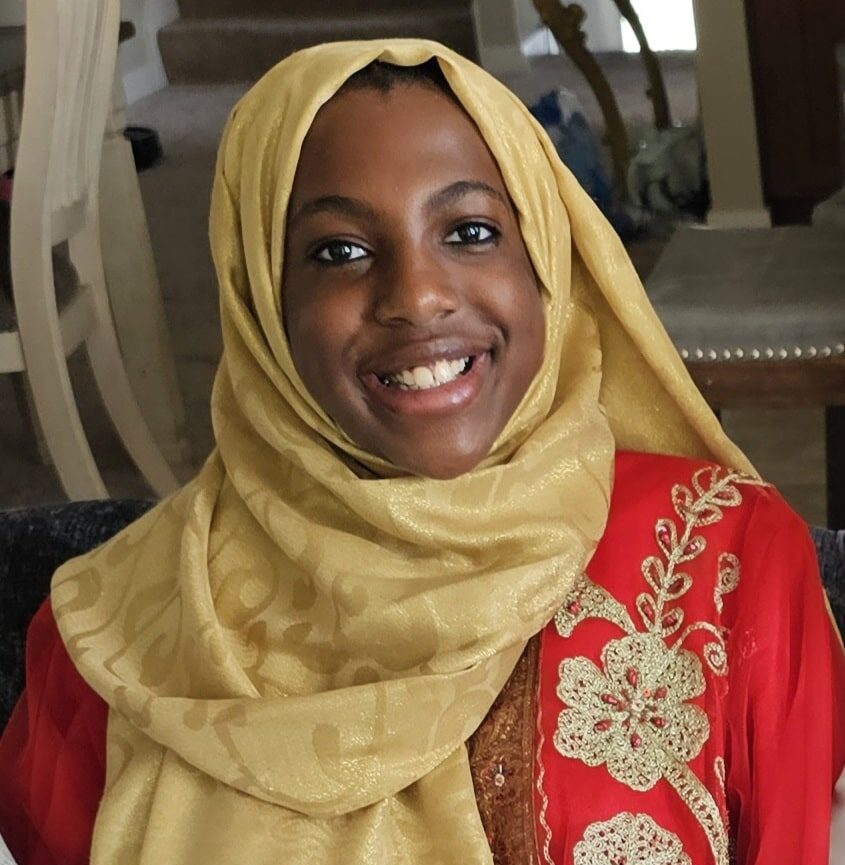
The narrative of Amalia Faraji offers a roadmap for stakeholders in the education and healthcare sectors. The implications of this success are twofold:
- Economic Impact: Early intervention is highly cost-effective. The investment in intensive therapy during the first five years of life significantly reduces the need for specialized remedial education and public support services later in a child’s academic career.
- Social Integration: The shift toward inclusive education—integrating students with hearing loss into general education classrooms—is supported by the LSL model. This reduces the social stigma associated with hearing loss and prepares both the student and the community for a more inclusive future.
As the landscape of pediatric audiology continues to evolve, the integration of advanced cochlear technology with robust, long-term educational therapy remains the gold standard. The story of Amalia Faraji serves as a testament to the importance of specialized support systems in enabling children to reach their full potential.
For families navigating similar diagnoses, the takeaway is clear: while a diagnosis of hearing loss presents immediate challenges, the combination of early technological intervention and consistent, professional pedagogical support can lead to outcomes that mirror those of typically hearing peers. As these children transition into adulthood, they not only succeed in academic and athletic spheres but also become active participants in the ongoing dialogue regarding accessibility, inclusion, and the normalization of hearing technology in the mainstream.
In conclusion, the ongoing success of the Listen and Talk model underscores the necessity of continuous, community-supported intervention. By maintaining a focus on the individual needs of each child and ensuring that the foundation of listening and spoken language is firmly established, the path is cleared for long-term achievement, personal fulfillment, and the pursuit of dreams without the constraints historically associated with hearing impairment. The commitment from alumni and the broader community ensures that these opportunities remain available, keeping the focus on the child’s future rather than their limitation.