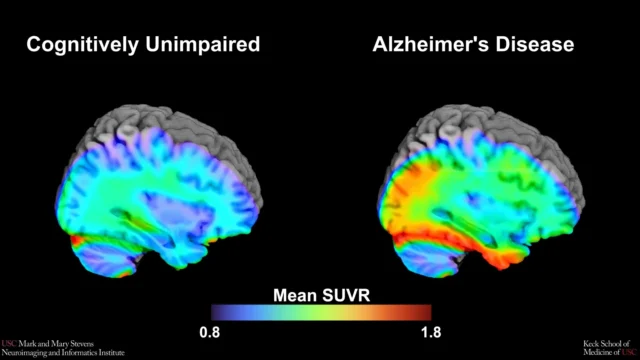

The study centers on the relationship between metabolic health and the brain, specifically highlighting the role of choline, an essential but often overlooked nutrient. The findings suggest that the physiological stress caused by obesity, combined with insufficient choline intake, creates a biochemical environment conducive to early brain cell damage. This discovery challenges the traditional view of Alzheimer’s as a late-life affliction, repositioning it as a condition that may be influenced by lifestyle and metabolic factors decades before the first symptoms of memory loss appear.
The Intersection of Metabolic Stress and Neurological Health
For decades, the medical community has observed a strong correlation between midlife metabolic health and late-life cognitive outcomes. Conditions such as type 2 diabetes, hypertension, and high cholesterol are well-documented risk factors for dementia. However, the ASU study, led by Ramon Velazquez of the ASU-Banner Neurodegenerative Disease Research Center, shifts the focus to young adulthood. The research team sought to determine if the "biological clock" of neurodegeneration begins ticking during the formative decades of the 20s and 30s.
The study’s cohort consisted of 30 adults, divided into two groups: those with a body mass index (BMI) categorized as obese and those with a BMI in the healthy range. Through rigorous blood analysis, the researchers looked for specific proteins and enzymes that serve as "canaries in the coal mine" for systemic and neurological health.
Among the most significant findings was the elevated presence of neurofilament light chain (NfL) in the obese group. NfL is a structural protein found within neurons. When brain cells are damaged or die, NfL leaks into the cerebrospinal fluid and eventually the bloodstream. In recent years, NfL has gained recognition as a highly sensitive biomarker for neurodegeneration, often used to monitor the progression of multiple sclerosis and Alzheimer’s disease. Detecting elevated NfL in otherwise healthy young adults suggests that obesity-related metabolic stress is actively causing measurable damage to brain cells long before any behavioral or cognitive symptoms manifest.
The Critical Role of Choline in Brain Maintenance
A secondary, yet equally vital, component of the study focused on choline. Choline is an organic, water-soluble compound that is neither a vitamin nor a mineral, though it is often grouped with the B-vitamin complex. It is a precursor to acetylcholine, a neurotransmitter essential for memory, mood, and muscle control. Furthermore, choline is necessary for maintaining the structural integrity of cell membranes and for the transport of fats from the liver.
The ASU research revealed that young adults with obesity had significantly lower levels of circulating choline compared to their healthy-weight counterparts. These low levels were directly correlated with higher markers of inflammation and higher levels of NfL. The data suggests a protective role for choline; those with higher levels of the nutrient appeared to have lower markers of neuronal stress, even in the presence of other metabolic challenges.
"This research adds to the growing evidence that choline is a valuable marker of metabolic and brain dysfunction," stated Ramon Velazquez. He emphasized that the findings reinforce the necessity of sufficient daily intake, noting that several recent reports have linked low choline to anxiety, memory impairment, and broader metabolic failures.
Despite its importance, choline is frequently absent from the public discourse on nutrition. The liver produces a small amount of choline, but the vast majority must be obtained through diet. Common sources include eggs, beef liver, chicken breast, fish, beans, and cruciferous vegetables like broccoli. However, national nutrition surveys indicate that approximately 90% of the American population does not meet the recommended daily intake for choline, with teenagers and young adults being among the most deficient groups.
Chronology of Research and Comparative Data
The ASU study does not exist in a vacuum; it is the culmination of years of inquiry into the "liver-brain axis." Earlier research conducted by Velazquez and his colleagues using rodent models provided the initial framework for these human findings. In those studies, mice deprived of dietary choline developed symptoms of obesity, non-alcoholic fatty liver disease (NAFLD), and accelerated Alzheimer’s-like pathology, including the buildup of amyloid-beta plaques.
To provide context for their human findings, the ASU team compared the biomarker profiles of their young adult participants with data from older adults diagnosed with mild cognitive impairment (MCI) and Alzheimer’s disease. The results were striking: the pairing of low choline and high NfL seen in the young obese group mirrored the patterns observed in the clinical Alzheimer’s patients.
This comparative analysis suggests a biological continuity. The metabolic dysfunction associated with obesity appears to trigger the same inflammatory and neurodegenerative pathways in a 25-year-old that are seen in a 75-year-old with dementia. This "premature aging" of the brain’s biochemical environment highlights the urgency of early intervention.
Gender Disparities and Hormonal Influence
An unexpected but notable finding in the study was the difference in choline levels between genders. Women in the study generally exhibited lower blood choline levels than men. This is a significant observation given that women are disproportionately affected by Alzheimer’s disease, representing nearly two-thirds of all cases globally.
Biologically, the body’s demand for choline increases during pregnancy and lactation, as it is vital for fetal brain development. While estrogen helps the body produce some choline internally, the decline of estrogen during menopause often leads to a sharp drop in choline production. The study suggests that if young women are already starting with lower baseline levels of choline, they may be at an even higher risk for the cumulative effects of metabolic stress on the brain as they age.
Implications for Modern Weight-Loss Therapies
The study arrives at a time when the landscape of obesity treatment is being transformed by GLP-1 receptor agonists, such as semaglutide (Ozempic/Wegovy) and tirzepatide (Mounjaro/Zepbound). While these medications are highly effective at reducing weight and improving cardiovascular health, they work primarily by suppressing appetite and slowing gastric emptying.
The researchers raised a cautionary flag regarding these treatments. Because GLP-1 medications significantly reduce the volume of food an individual consumes, there is a heightened risk of "micronutrient malnutrition." If a patient is eating substantially less, they may not be consuming enough choline-rich foods to meet their physiological needs.
"Most people don’t realize they aren’t getting enough choline," said Wendy Winslow, first co-author of the study. The researchers suggest that future clinical protocols for weight loss should include nutritional counseling or supplementation to ensure that while the body is losing weight, the brain is not being deprived of the essential nutrients it needs for repair and maintenance.
Analyzing the Broader Public Health Impact
The implications of the ASU-Banner study extend into the realm of public health policy and preventative medicine. Traditionally, neurodegeneration has been treated as a geriatric issue. However, if the biological markers are visible in the 20s, the window for effective intervention is much wider than previously thought.
The data suggests that "metabolic resilience"—the ability of the body to process nutrients and manage inflammation—is a cornerstone of long-term brain health. Public health initiatives that focus solely on "calories in versus calories out" may be missing the nuanced importance of nutrient density. Ensuring adequate choline intake could serve as a low-cost, high-impact strategy for protecting the brain across the lifespan.
Furthermore, the study highlights the importance of the liver in neurological health. The researchers detected elevated liver enzymes in the obese participants, indicating liver strain. The liver is the primary site of choline metabolism; when the liver is stressed by obesity or poor diet, its ability to distribute choline to the brain and other organs is compromised. This reinforces the idea that the body’s systems are deeply interconnected, and a "siloed" approach to treating obesity or cognitive decline is likely to be less effective than a holistic one.
Conclusion and Future Directions
While the ASU study was small in scale, involving 30 participants, its findings are consistent with a growing body of literature that points toward the early-life origins of late-life disease. The use of NfL as a biomarker provides a objective, measurable link between the physical state of the body and the health of the brain.
"Our results suggest that, in young adults, good metabolic health and adequate choline contribute to neuronal health, laying the groundwork for healthy aging," says Jessica Judd, a co-author of the study.
The research team plans to expand their work into larger longitudinal studies. They aim to track whether increasing dietary choline or improving metabolic health through exercise and weight management can actually reverse the elevation of NfL in young adults. For now, the message to the public and the medical community is clear: the health of the brain in old age is inextricably linked to the health of the body in youth. By addressing choline deficiency and metabolic stress early, it may be possible to slow or even prevent the trajectory toward neurodegenerative disease.