
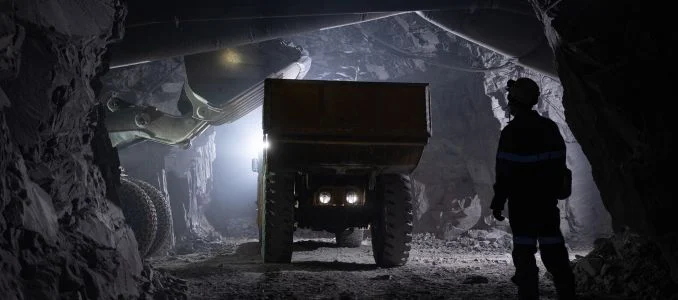
According to data released by the NCDOL, the state’s mining operations reported a nonfatal injury rate of 1.33 per 200,000 employee-hours worked. This figure stands in favorable contrast to the national average of 1.62 per 200,000 hours, reflecting a concerted effort by both the state’s Mine and Quarry Bureau and private sector operators to prioritize workplace health and safety. The 243 active or intermittent mine sites across North Carolina, which range from industrial sand and gravel operations to dimension stone quarries, have collectively demonstrated that rigorous oversight and safety culture can effectively suppress incident frequency.
A Chronology of Safety Initiatives
The road to this zero-fatality year was paved by years of incremental safety improvements. Historically, the mining industry has contended with volatile shifts in workplace safety, often tied to changes in economic demand and the subsequent pressure to increase production speed. Recognizing these pressures, the North Carolina Mine and Quarry Bureau began a systematic overhaul of its outreach programs starting in the early 2020s.
During the 2023-2024 period, the bureau intensified its focus on "pre-incident mitigation," shifting from a strictly punitive regulatory model to one that emphasized proactive education. By 2024, the state had implemented a series of mandatory safety workshops for site managers, focusing on heavy machinery operation, high-wall stability, and ground control. The success observed in the 2025-2026 fiscal year is the culmination of these institutional shifts, proving that the integration of federal and state safety standards into daily operational workflows can prevent life-altering injuries.
Statistical Breakdown and Comparative Analysis
To understand the significance of the 1.33 injury rate, one must consider the broader context of industrial hazards. Mining environments are characterized by complex variables: heavy mobile equipment, high-voltage electrical systems, explosive materials, and the constant threat of geological instability.

The Bureau of Labor Statistics (BLS) consistently identifies mining as a high-hazard industry. Nationally, the industry often fluctuates between 1.5 and 2.0 injuries per 200,000 hours worked. North Carolina’s success in keeping its rate at 1.33 indicates a reduction of nearly 18% compared to the national baseline. This gap is statistically significant, suggesting that the state’s localized approach to safety inspections—which emphasizes hands-on site visits over remote administrative reviews—is yielding tangible results.
The 243 sites currently monitored by the state vary significantly in size and scope. Smaller operations often face different challenges than large-scale industrial quarries, particularly regarding resource allocation for safety equipment. The Bureau has addressed this by providing customized technical guidance to smaller operators, ensuring that safety compliance is not exclusively the domain of well-funded corporations. By lowering the barrier to entry for safety compliance, the state has managed to bring even the smallest operations into alignment with high-level safety standards.
The Role of the Mine and Quarry Bureau
The North Carolina Department of Labor’s Mine and Quarry Bureau serves as the primary enforcement and educational arm for the state. Its mandate is not merely to issue citations but to provide the technical expertise necessary to avoid them. The bureau’s methodology is structured around four primary pillars:

- Workplace Consultations: Bureau inspectors visit sites to identify potential hazards that may not yet have caused an injury but represent a clear violation of safety protocols.
- Technical Guidance: Operators receive training on complex engineering issues, such as the structural integrity of mine benches or the proper ventilation of underground shafts.
- Emergency Preparedness: The bureau facilitates CPR and first-aid certification for workers, ensuring that if an accident does occur, the response is immediate and professional.
- Regulatory Enforcement: When education fails to secure compliance, the bureau utilizes its enforcement powers to mandate immediate corrections, ensuring that safety is never sidelined for production goals.
This multi-faceted approach creates a safety net that is both preventative and reactive. By training workers in emergency response, the bureau ensures that even when errors occur, they do not necessarily escalate into fatal events.
Industry Implications and Expert Perspectives
Industry experts suggest that the zero-fatality record in North Carolina serves as a potential blueprint for other states with high concentrations of quarrying activity. In many regions, the transition to automated mining technology has introduced new risks—such as the human-machine interface—that traditional training programs were not designed to address. North Carolina’s ability to modernize its training modules to account for these technological shifts is widely credited for the current success.
"Safety is a reflection of leadership," notes one industrial health consultant familiar with the North Carolina sector. "When an organization, from the site foreman to the state inspector, treats safety as a core component of the business model rather than a regulatory hurdle, the results speak for themselves. The 2025-2026 data shows that the state has successfully fostered a culture where workers feel empowered to halt production if they identify a risk."

The implications of this record extend beyond the moral imperative of protecting human life. A zero-fatality year has substantial economic benefits. High injury rates lead to increased insurance premiums, loss of productivity, potential litigation, and difficulty in worker retention. By maintaining high safety standards, North Carolina’s mining operations have created a more stable and attractive environment for the labor force, which is critical in an era where skilled trade labor is in high demand.
The Challenge of Sustained Excellence
Despite the celebration of this milestone, the Department of Labor remains cautious. Regulatory experts warn that "safety complacency" is the greatest threat to maintaining a zero-fatality record. As operations expand and new personnel enter the workforce, the state must ensure that its safety initiatives remain fresh and relevant.
The bureau has indicated that for the 2026-2027 fiscal year, it intends to increase its focus on mental health and fatigue management. Studies have shown that physical exhaustion—often exacerbated by long shifts and the isolation of mining work—is a leading cause of human error. By integrating cognitive awareness into their training programs, the state aims to address the human element of safety, which remains the final frontier in industrial accident prevention.

Furthermore, the bureau plans to leverage data analytics to track "near-miss" incidents. By studying events where an injury was narrowly avoided, the state hopes to identify trends that could lead to future accidents. This proactive data gathering is expected to be a cornerstone of the next phase of the Bureau’s safety strategy.
Broader Economic and Societal Impact
The mining and quarrying industry provides essential raw materials—such as crushed stone, sand, and gravel—that fuel North Carolina’s construction, infrastructure, and real estate sectors. The state’s ability to extract these resources without the human cost of fatalities is a testament to the symbiotic relationship between industrial output and worker protection.
As North Carolina continues to experience population growth and urbanization, the demand for construction materials will remain high. This puts continuous pressure on mining operations to maintain high production levels. The fact that the industry successfully navigated this pressure in 2025-2026 without sacrificing worker safety demonstrates that industrial growth and human safety are not mutually exclusive goals.

Conclusion: A Standard to Maintain
The achievement of zero fatalities in the North Carolina mining and quarrying sector is not merely a statistical success; it is a human achievement that resonates through the families and communities of the thousands of individuals employed in the industry. The 1.33 injury rate serves as a benchmark that the Department of Labor hopes to improve upon in the coming years.
By maintaining a rigorous, collaborative, and educational approach, North Carolina has demonstrated that the inherent risks of mining can be managed effectively. As the state moves into the next fiscal cycle, the focus will inevitably remain on sustaining this culture of safety. For the operators, workers, and regulators involved, the 2025-2026 fiscal year serves as proof that when safety is prioritized with the same intensity as production, the result is a safer, more sustainable, and ultimately more successful industry.
The commitment shown by the Mine and Quarry Bureau in delivering technical guidance and emergency training remains the backbone of this success. As long as this commitment is maintained, the state is well-positioned to remain a leader in industrial safety, setting a standard for others to follow in the years ahead. The lessons learned during this record-breaking year will undoubtedly inform future policy, ensuring that the health and well-being of the workforce remain at the forefront of North Carolina’s industrial development.