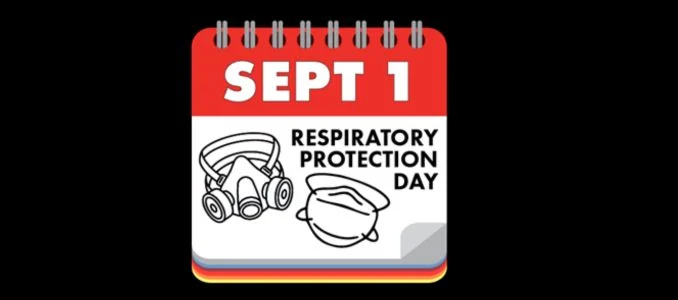
The initiative represents a multifaceted approach to mitigating occupational respiratory disease, which remains a leading cause of long-term disability among the American workforce. By focusing on the entire lifecycle of protective equipment—from procurement and supply chain verification to the nuances of user fit-testing—NIOSH aims to close the gap between regulatory requirements and real-world application.
The Evolution of Respiratory Protection Standards
The history of respiratory protection in the United States is marked by a steady progression toward more rigorous scientific oversight. Following the establishment of the Occupational Safety and Health Administration (OSHA) in 1970 and the subsequent mandate for NIOSH to conduct research and provide recommendations, the landscape of workplace safety was fundamentally altered. Over the last five decades, the National Personal Protective Technology Laboratory (NPPTL) has emerged as the global gold standard for testing and certification.

Historically, the most significant shifts in policy occurred in response to major public health events. The SARS outbreak of 2003, the H1N1 pandemic in 2009, and most notably, the COVID-19 pandemic beginning in 2020, exposed vulnerabilities in the national supply chain and revealed gaps in institutional knowledge regarding the proper use of filtering facepiece respirators. These events highlighted a dangerous trend: the infiltration of counterfeit and non-compliant equipment into the industrial marketplace. The current campaign serves as a corrective measure, synthesizing decades of testing data into actionable, easy-to-use digital tools for safety managers and frontline supervisors.
Data-Driven Safety: The Scope of Airborne Hazards
To understand the necessity of this campaign, one must examine the scale of the industries involved. According to data from the Bureau of Labor Statistics (BLS), thousands of respiratory-related illnesses are reported annually in the manufacturing and construction sectors alone. When factoring in long-latency illnesses such as silicosis, asbestosis, and occupational asthma—which may take years or decades to manifest—the true impact of respiratory hazards is significantly higher.

In the construction sector, silica dust remains a primary concern, with NIOSH estimates suggesting that millions of workers are exposed to respirable crystalline silica during tasks such as cutting, grinding, and drilling masonry. In healthcare, the threat is less about particulates and more about aerosolized pathogens. The NPPTL’s latest guidance emphasizes that "one size fits all" is a fallacy; the effectiveness of a respirator is contingent upon the seal between the device and the wearer’s face, a factor often compromised by improper donning, facial hair, or the use of sub-standard products.
The Mechanics of the NIOSH Campaign
The new educational framework introduced by NIOSH is structured around three core pillars: procurement integrity, technical proficiency, and cultural reinforcement.

Procurement and Verification
A central component of the campaign is the "Verify Before You Buy" protocol. With the proliferation of global e-commerce, safety managers are increasingly tasked with distinguishing between legitimate NIOSH-approved equipment and look-alikes that fail to provide adequate filtration. NIOSH has released updated checklists that instruct procurement officers on how to verify certification numbers on the NIOSH Certified Equipment List (CEL). The campaign emphasizes that any respirator lacking the official NIOSH approval label—which includes the manufacturer’s name, the model number, and the filtration efficiency rating—should be treated as non-compliant.
Technical Proficiency and Fit-Testing
The campaign provides high-definition visual guides for the proper donning and doffing of filtering facepiece respirators. Technical experts note that even a high-quality N95 respirator can provide near-zero protection if the user fails to perform a "seal check" every time the device is worn. NIOSH is pushing for a standardized approach to fit-testing that accounts for modern workforce demographics, including the need for varied sizes to accommodate different facial structures.

Cultural Integration
Perhaps the most ambitious aspect of the initiative is the focus on safety culture. Research suggests that high-risk environments often develop a "complacency bias," where workers—under pressure to meet production quotas—may skip safety checks. The NIOSH bulletins provide strategies for supervisors to integrate respiratory safety into daily "toolbox talks," shifting the perspective of RPE from an "inconvenient requirement" to a "critical life-saving tool."
Official Perspectives and Industry Implications
While NIOSH provides the research and scientific validation, the practical application falls to the industrial safety community. Representatives from major labor unions and industrial safety advocacy groups have largely lauded the move.

"The strength of this campaign lies in its accessibility," says an industry consultant familiar with the NPPTL guidelines. "Safety managers in small to medium-sized enterprises often lack the time to parse through thousands of pages of technical regulations. By distilling this into sector-specific research bulletins, NIOSH is effectively lowering the barrier to entry for safety compliance."
However, some industry analysts point out that the success of the campaign will depend on enforcement and the availability of resources. The economic cost of maintaining a robust respiratory protection program—which includes annual fit-testing, medical evaluations, and equipment costs—can be substantial for smaller firms. The implication here is that while the knowledge is now more readily available, the federal government may need to look toward further incentivizing compliance through tax credits or safety grants to ensure that the smallest employers are not left behind.

The Long-Term Outlook
As industrial processes become more complex—particularly with the integration of nanomaterials in manufacturing and the increasing use of specialized chemicals in energy production—the nature of respiratory hazards will continue to evolve. NIOSH’s focus on the "Personal Protective Technology" aspect of the workplace suggests that the agency is preparing for a future where traditional respirators may need to be integrated with smart sensors or advanced filtration materials.
This campaign acts as a foundational step. By standardizing the basics of respirator safety, NIOSH is creating a baseline level of protection that can be built upon as new hazards emerge. For the employer, the directive is clear: the responsibility for worker safety is a continuous process that requires vigilance, regular training, and an unwavering commitment to using only certified equipment.

As the program rolls out over the coming months, NIOSH intends to monitor its efficacy through industry feedback and subsequent audits of workplace safety records. The ultimate metric of success will be a measurable decrease in the incidence of respiratory-related illnesses and a tightening of the supply chain that effectively squeezes out counterfeit and ineffective protective gear.
For now, the agency’s message is one of proactive management. By moving away from reactive responses to accidents and toward a proactive model of education and verification, NIOSH is setting a new standard for what it means to be a safe workplace in the modern industrial age. Employers are encouraged to visit the NIOSH website to download the new visual guides and review the updated sector-specific bulletins, ensuring their teams are equipped with the latest scientific knowledge to perform their duties safely and effectively.