The Significance of the CEO Transition
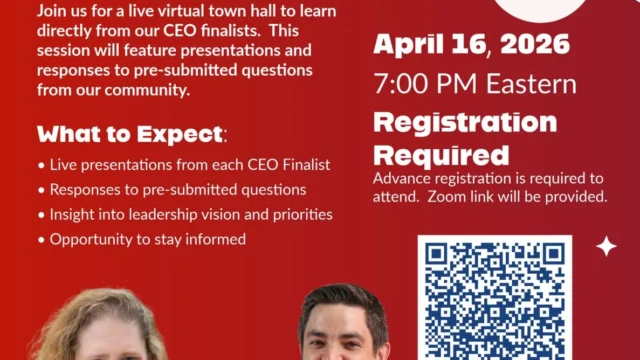
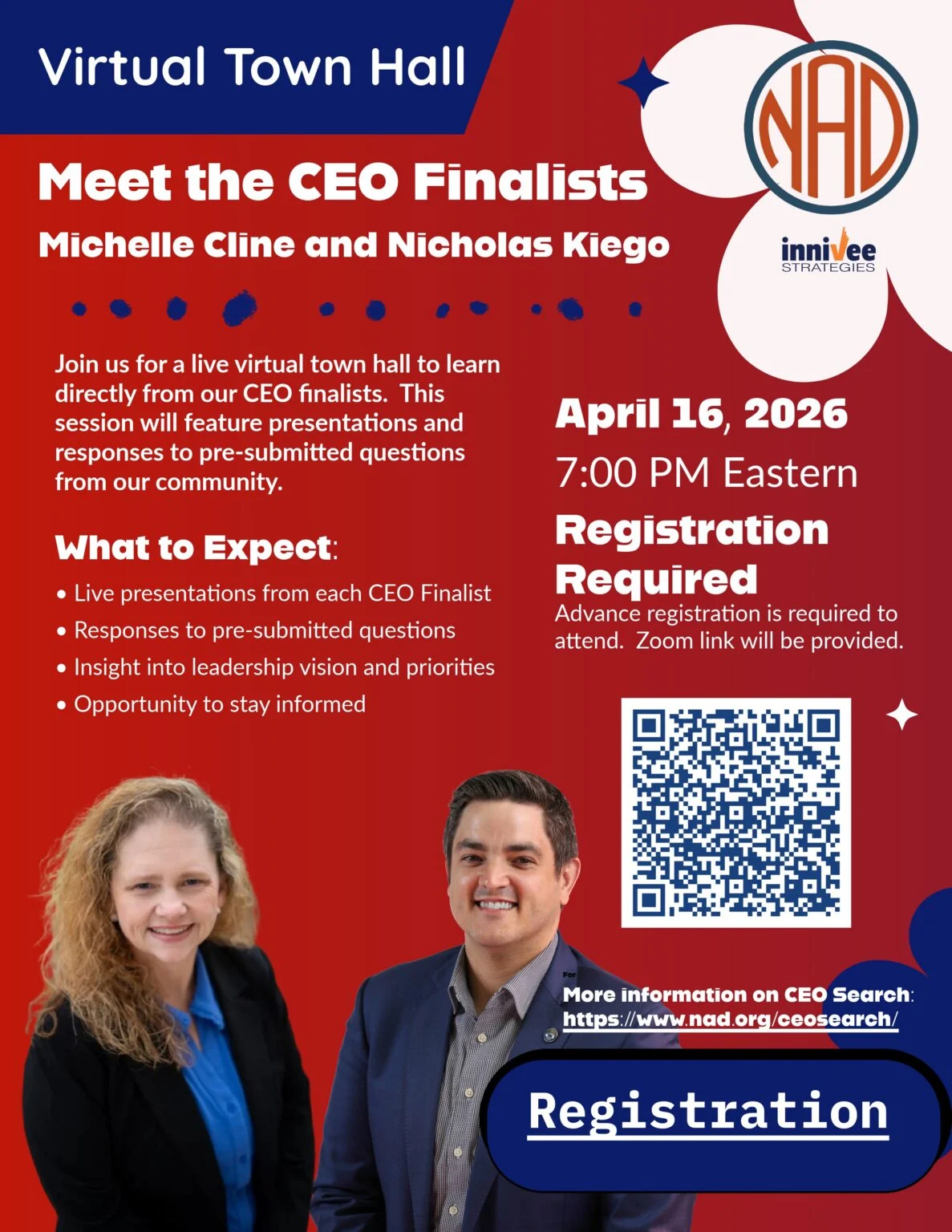
The selection of Cline and Kiego follows a comprehensive search process that began in late 2025. The board of directors mandated a transparent approach, seeking to balance confidentiality during the vetting stages with meaningful community involvement during the final selection phase. By hosting a virtual town hall—scheduled for April 16, 2026—the organization seeks to foster a sense of collective ownership over the future of the NAD, ensuring that the final selection resonates with the diverse constituents the association represents.
Chronology of the Search Process
The journey to identify the next CEO has been marked by a series of strategic milestones. Following the announcement of the search, the NAD established an internal Search Committee composed of board members, organizational stakeholders, and community representatives.
- Phase One (October – December 2025): The NAD board formalized the job description and partnered with executive search consultants to cast a wide net. During this period, the organization held several listening sessions to gather feedback from local chapters and state associations regarding the qualities deemed most vital in a new leader.
- Phase Two (January – March 2026): The committee reviewed applications and conducted preliminary interviews. This phase involved vetting for executive experience, non-profit financial management expertise, and an established track record in deaf advocacy.
- Phase Three (April 2026): The shortlist was narrowed to two finalists: Michelle Cline and Nicholas Kiego. The public announcement on April 10 initiated the final vetting phase, centered on the community-facing Virtual Town Hall.
- Phase Four (Post-April 2026): Following the town hall, the Board of Directors will review feedback submitted by the public to inform their final vote, with an anticipated transition of power expected in the summer months of 2026.
Candidate Profiles and Leadership Visions
The two finalists, Michelle Cline and Nicholas Kiego, bring distinct professional backgrounds to the table, both of which are highly relevant to the NAD’s current strategic goals.
Michelle Cline’s career has been characterized by extensive work in nonprofit administration and policy advocacy. Her proponents often cite her ability to navigate complex federal regulatory environments as a significant asset for the NAD, particularly as the organization continues to lobby for the strengthening of the Americans with Disabilities Act (ADA) and other legislative protections. Her professional history suggests a focus on sustainable organizational growth and long-term policy impacts.
Nicholas Kiego offers a different, yet complementary, perspective, with a strong background in grassroots mobilization and technological innovation. In an era where artificial intelligence and remote communication tools are redefining accessibility, Kiego’s focus on integrating cutting-edge solutions into the fabric of deaf rights advocacy is viewed by many as a modern necessity. His experience suggests a potential shift toward a more digital-first strategy for the organization’s outreach and educational programs.
Data-Driven Context for the Next CEO
The incoming CEO will inherit a robust organizational structure, but also a set of pressing challenges. According to the NAD’s recent annual reports, the organization’s primary expenditures remain concentrated in legal advocacy, youth leadership programs, and legislative monitoring.
Data from the 2025 fiscal year indicates a 15% increase in requests for legal intervention regarding educational access, highlighting a growing demand for the organization’s legal department. Furthermore, as the demographics of the deaf community shift, with increased diagnosis of hearing loss in younger populations and an aging demographic requiring different accessibility tools, the next CEO must be prepared to manage a diverse portfolio of services.
Financial sustainability also remains a key metric. With the reliance on a mix of federal grants, private donations, and membership dues, the new CEO will need to demonstrate fiscal agility. The organization’s ability to maintain its lobbying presence in Washington D.C. while simultaneously supporting local affiliates in all 50 states is a delicate balancing act that requires high-level administrative competence.
The Role of the Virtual Town Hall
The Virtual Town Hall, held on April 16, 2026, serves as a critical component of the selection process. By providing a platform for the finalists to respond to pre-submitted questions, the NAD is setting a precedent for democratic engagement.
The questions fielded during this event are expected to cover a wide range of topics, including:
- Internal Culture: How the candidates plan to maintain morale among staff and volunteers.
- Advocacy Priorities: Which legislative issues will take center stage in the next five years.
- Inclusion: How the leadership will ensure the NAD remains representative of the intersectional experiences of deaf individuals from different racial, ethnic, and socioeconomic backgrounds.
- Technological Adoption: Plans for investing in digital platforms that improve communication and accessibility for the membership.
The town hall is not merely a formality; it is a live assessment of the candidates’ ability to communicate complex ideas under pressure and to demonstrate empathy—a trait often cited as essential for the head of a community-based organization.
Broader Implications for the Deaf Community
The appointment of a new CEO represents more than just a change in personnel; it signifies a potential pivot in the strategic direction of the NAD. For decades, the organization has been the vanguard of the American deaf community, and its leadership reflects the community’s collective priorities.
If the organization leans toward a policy-heavy leadership style, the focus may shift toward judicial challenges and federal litigation. Conversely, if the membership leans toward a candidate focused on grassroots empowerment, the organization might see a surge in funding for local leadership training and regional advocacy initiatives.
The implications are felt beyond the organization itself. Because the NAD often sets the tone for smaller advocacy groups, its CEO effectively functions as a primary spokesperson for the entire deaf and hard-of-hearing population in the United States. Governmental agencies, educational institutions, and corporate partners monitor these transitions closely to gauge how their interactions with the organization will evolve.
Stakeholder Expectations and Future Outlook
Community members have expressed a variety of expectations regarding the transition. On social media platforms and through internal communication channels, stakeholders have emphasized the need for a leader who is not only fluent in American Sign Language (ASL) but also deeply rooted in the cultural history of the community.
There is also a strong sentiment regarding the need for continuity. The NAD has achieved significant victories in recent years, particularly regarding the expansion of captioning requirements and the defense of the right to education in the least restrictive environment. Ensuring that these wins are solidified and expanded upon is a top concern for the board.
As the NAD moves closer to the final decision, the atmosphere remains one of cautious optimism. The transparency of the search process—from the initial call for candidates to the inclusion of community questions in the final interview stage—has done much to bolster trust in the board’s decision-making process.
Conclusion: A New Chapter for the NAD
The selection of the next CEO is the most important decision the NAD will make in the 2026 calendar year. With the Virtual Town Hall serving as a final litmus test, the organization is poised to select a leader who will define the future of deaf rights for years to come. Whether the board selects Michelle Cline or Nicholas Kiego, the focus will remain on the core tenets of the organization: promoting the rights, language, and culture of deaf and hard-of-hearing people.
The NAD’s commitment to an open, deliberative process suggests that regardless of the final outcome, the organization is well-positioned to remain a powerful, unified voice. As the community looks toward the summer of 2026, the focus will shift from the search process to the execution of the new CEO’s strategic vision, marking the start of a new, potentially transformative era for the association. For those interested in the ongoing developments of this search, the official NAD website continues to serve as the primary repository for updates, official transcripts of the town hall, and subsequent announcements from the Board of Directors.