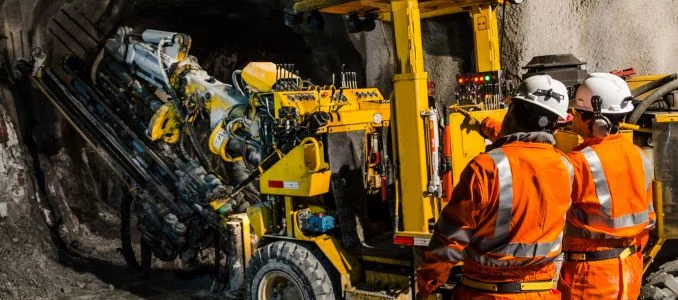
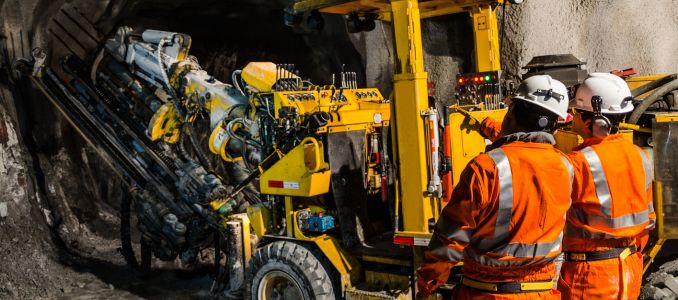
The recent incidents, which occurred within a short timeframe, have reignited the debate regarding the efficacy of existing safety management systems and the necessity for enhanced technological interventions. MSHA officials, emphasizing a "zero-tolerance" approach toward preventable accidents, have mandated that mine operators re-evaluate their current risk assessments, specifically targeting the human-machine interface and ground control maintenance.
Chronology of Recent Safety Concerns
While the mining industry has seen a general long-term decline in fatal injury rates over the past three decades, the recent spike in specific types of accidents—namely mobile equipment strikes and geotechnical failures—has prompted a strategic shift in regulatory focus. In early 2026, the industry saw an uptick in incidents involving heavy machinery in narrow underground corridors, where visibility and maneuverability are significantly restricted.

These accidents were preceded by a period of increased production pressure across several regions, a factor that industry analysts often correlate with a potential drift in adherence to established safety standard operating procedures (SOPs). The first incident involved a transport vehicle shifting during a loading sequence, resulting in a fatal crush injury. Shortly thereafter, a second incident occurred involving a roof fall during a retreat mining operation, where the integrity of the rock strata proved insufficient to support the work area, leading to a catastrophic collapse.
Analysis of Mechanical Loading Hazards
The MSHA’s updated guidance places a significant emphasis on the technical aspects of equipment stability. When heavy machinery is engaged in the loading process, the center of gravity often shifts, particularly when operating on uneven subterranean surfaces or gradients. The federal regulator notes that many recent accidents were the result of "unintended movement," where the machinery shifted unexpectedly because it was not properly blocked or chocked.
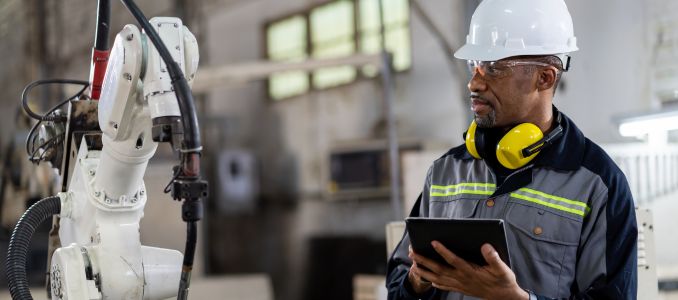
Regulators are now insisting that mine operators implement a rigid "exclusion zone" policy. This strategy dictates that no personnel should be within the potential reach of a piece of mobile equipment unless that equipment is completely immobilized, powered down, and verified as stable. Communication protocols have also been tightened; the "see and be seen" rule has been augmented with a requirement for verbal or electronic acknowledgment before any operator initiates a movement sequence in a congested work zone.
Structural Integrity and Roof Control Plans
The second primary focus of the new guidance addresses the complexities of underground roof stability. The "roof control plan"—a federally mandated document unique to every mine site—is designed to account for the specific geological conditions of the strata being mined. However, MSHA’s investigation into recent fatalities suggests that while plans may be technically sound on paper, their application in the field is susceptible to human error and environmental variables.

The agency has reiterated that miners must conduct rigorous, multi-point examinations of the roof, face, and ribs (the vertical sides of the excavation) at the start of every shift and periodically throughout the work cycle. The practice of "retreat mining"—where support pillars are removed to allow for the recovery of coal—remains one of the most hazardous activities in the sector. MSHA is now strongly recommending the transition from manual timbering to automated mobile roof supports (AMRS). These systems not only provide a more uniform distribution of support but, crucially, allow workers to install protection from a safe distance, well removed from the "unsupported roof" zone.
Supporting Data and Industry Context
According to data compiled by the Bureau of Labor Statistics and MSHA, the mining industry currently employs approximately 250,000 workers in the United States. While the overall injury rate has plateaued, the severity of incidents involving heavy equipment remains disproportionately high. In the last five years, mobile equipment accidents have accounted for nearly 30% of all reportable fatalities in the mining sector.

The economic implications for operators are profound. Beyond the human toll, the cost of an MSHA-mandated shutdown following a fatal incident can reach millions of dollars in lost production, legal fees, and potential civil penalties. Furthermore, the regulatory scrutiny that follows a fatality often results in a "pattern of violations" classification, which subjects the mine to heightened, near-continuous inspections. This creates a challenging operational climate where the pressure to maintain profitability must be balanced against the absolute necessity of safety compliance.
Official Responses and Industry Reaction
Industry groups, including the National Mining Association, have acknowledged the urgency of the MSHA’s new guidance. In a statement from industry stakeholders, representatives emphasized that the sector is committed to the "Target Zero" initiative, which aims to eliminate all workplace injuries. However, some operators have noted that the implementation of new, automated technology, such as the recommended mobile roof supports, requires significant capital expenditure and time for worker retraining.

"Safety is not a static goal; it is a dynamic process," noted one safety consultant specializing in mining operations. "The MSHA is moving toward a culture of predictive safety. Instead of reacting to accidents, they want operators to use data-driven insights to identify ‘near-misses’—events that didn’t result in injury but signaled a breakdown in safety protocols. By focusing on these indicators, we can address the root causes before they manifest as fatalities."
The Road Ahead: Implications for Mine Safety
The broader impact of these guidelines will likely be felt in the coming months as MSHA inspectors begin conducting "spot inspections" specifically focused on the new mandates. This will require mine operators to update their training manuals and, in many cases, revise their site-specific safety plans.

Furthermore, there is a growing consensus that technology must play a larger role in the future of mine safety. The integration of proximity detection systems, which automatically stop machinery when a person enters a designated danger zone, is expected to become the industry standard. These systems effectively remove the element of human error from the equation, providing a final layer of defense when communication or situational awareness fails.
Ultimately, the goal of these federal directives is to foster a culture of vigilance. As mining operations reach deeper and into more geologically complex environments, the margin for error shrinks. The MSHA’s message is clear: the cost of safety, whether in the form of technological investment or the time required for rigorous site inspections, is a necessary component of modern mining. The fatalities recorded in 2026 serve as a somber reminder that in the high-stakes environment of resource extraction, the adherence to established safety protocols is the only barrier between a productive shift and a preventable tragedy.

As the industry moves forward, it will be the responsibility of mine management to ensure that these best practices are not merely treated as regulatory checkboxes, but as the foundational elements of their daily operations. The path toward a safer future requires the active participation of every worker, from the executive office to the face of the mine, working in concert to ensure that every miner returns home safely at the end of their shift.