Chronology and Sequence of Events
The incident transpired during a standard operational shift on May 19. According to preliminary MSHA findings, the assistant shift foreman was performing routine oversight duties in a section of the mine when a significant portion of the rib—the side wall of the underground tunnel—unexpectedly detached. The sudden collapse of rock, weighing several tons, struck the foreman with fatal force.
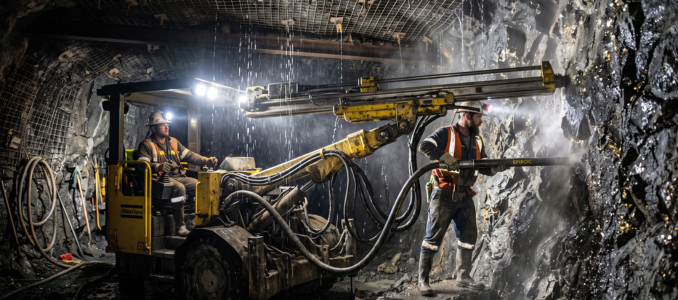
Two contractors working in the immediate vicinity of the collapse were also caught in the rockfall. Both individuals sustained injuries and were promptly treated following the activation of the site’s emergency response protocols. Emergency personnel and mine rescue teams were dispatched to the scene to stabilize the area and secure the environment for recovery and investigation. Following the incident, operations in the affected area were suspended to allow federal investigators to conduct a forensic analysis of the rock strata and the integrity of the ground control measures that were in place at the time.
The Anatomy of Rib Stability Hazards
In underground mining, the "rib" refers to the vertical or near-vertical sides of a tunnel or entry. Maintaining the integrity of these surfaces is a complex engineering challenge, particularly as geological pressures shift due to the removal of surrounding material. When rock mass becomes destabilized—often due to tectonic stress, moisture, or the vibration caused by heavy machinery—it can create a "brow" or loose slab that is prone to sudden, unprovoked failure.
The May 19 incident serves as a stark reminder of the unpredictable nature of ground control. Even in mines that adhere to strict roof and rib support plans, geological anomalies can create pockets of weakness that are not immediately visible to the naked eye. MSHA’s post-incident report emphasizes that the transition from stable rock to hazardous, loose material can occur rapidly, necessitating a continuous state of vigilance from all personnel on-site.

Supporting Data and Industry Context
Statistics from MSHA indicate that ground control accidents—encompassing both roof falls and rib collapses—consistently rank among the leading causes of fatalities in underground mining. Over the past decade, the industry has invested heavily in advanced bolting technology, mesh screening, and automated scaling equipment to reduce human exposure to high-risk zones.
Despite these technological advancements, human-factor analysis remains a cornerstone of safety programs. Data suggests that the majority of rib-related injuries occur during the execution of daily maintenance tasks or when miners are operating machinery near unbolted or unscaled ribs. The industry has seen a push toward "remote-controlled scaling," which allows operators to dislodge loose material from a protected distance, yet the May 19 event highlights that even with standard safety protocols in place, the margin for error in an underground environment is razor-thin.
MSHA’s Strategic Safety Recommendations
Following the fatal accident, MSHA issued a national directive for mine operators to reassess their ground control safety management systems. The agency’s recommendations are categorized into three primary areas: examination, mitigation, and training.

1. Enhanced Examination Protocols: MSHA urges operators to move beyond standard pre-shift inspections. The agency recommends that examinations of the roof, face, and ribs be conducted with heightened scrutiny, particularly as conditions change. If geological features such as "slips" or "faults" are observed, the area must be designated as a no-go zone until it is deemed structurally sound by a certified professional.
2. Proactive Mitigation: The agency stressed the importance of scaling—the process of removing loose rock—using proper equipment. The use of a slate bar is a traditional yet essential tool for this task, provided the individual is positioned in a secure, bolted, or reinforced area. Furthermore, the installation of floor-to-roof posts is recommended in areas where the geological stability is uncertain, providing an additional layer of structural support against lateral pressure.
3. Training and Plan Compliance: Perhaps the most critical recommendation is the strict adherence to the site’s approved Roof Control Plan. MSHA noted that the "human element" of training miners to recognize the auditory and visual warning signs of a rib collapse—such as popping sounds, small rock falls, or widening cracks—is vital. If a worker identifies a potential hazard, the mandate is clear: all work must cease immediately until the area is remediated.

Broader Implications for Mine Safety Policy
The fatality has triggered internal reviews among major mining operators, many of whom are now re-evaluating their ground control training modules. The tragedy underscores a shift in industry philosophy: moving away from a "production-first" mindset toward a culture where the cessation of work due to suspected ground instability is rewarded, not penalized.
Industry analysts suggest that the implications of this incident will likely manifest in future MSHA rulemaking. The agency may look to mandate more frequent structural audits of older sections of mines, where geological pressure is more likely to cause degradation of rib integrity. Furthermore, the incident has reignited discussions regarding the use of remote sensing technology—such as LiDAR and ground-penetrating radar—to detect subsurface fractures that are invisible to manual inspections.
Stakeholder Response and Commitment
While the specific identity of the mining firm involved has not been publicly centered in the agency’s technical report to maintain the integrity of the ongoing investigation, industry groups have expressed their condolences to the family of the assistant shift foreman and the injured contractors. Organizations such as the National Mining Association (NMA) often reiterate that such incidents are a call to action for the entire sector to double down on existing safety initiatives.

The mining community remains a tight-knit workforce, and the loss of an assistant shift foreman—a role that serves as a bridge between management and the frontline workforce—is felt deeply across the sector. This individual is often the primary eyes and ears on the ground, tasked with balancing the pressure of production deadlines with the non-negotiable requirement of worker safety. The loss of a leader in this capacity emphasizes the vulnerability of those tasked with enforcing safety on the front lines.
Looking Ahead
As the investigation concludes, the findings will be integrated into MSHA’s broader safety database, contributing to future training seminars and educational resources. For now, the agency urges all mining personnel to visit MSHA.gov to access the latest technical bulletins and safety training modules.
The May 19 incident is more than just a statistical entry in a government ledger; it is a profound lesson in the realities of working beneath the earth’s surface. The engineering of a safe mine is an ongoing process of assessment, action, and constant vigilance. By reinforcing the importance of rigorous, systematic ground control, the industry aims to ensure that the risks inherent in the extraction of essential minerals do not come at the cost of human life. As operations move forward, the memory of this event will likely serve as a foundational element in the next iteration of safety standards, ensuring that the lessons learned from this tragedy are translated into tangible, life-saving practices for miners across the nation.