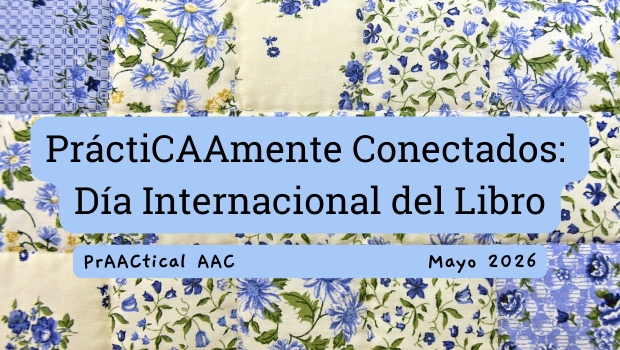
Historical Significance and Contextual Evolution
International Book Day was inaugurated by UNESCO in 1995 to pay tribute to books and authors worldwide, encouraging everyone to discover the pleasure of reading. For the clinical and educational sectors, this day has evolved into a period of reflection on the accessibility of information. In the context of AAC—which encompasses the communication methods used to supplement or replace speech for individuals with disabilities—the "book" represents more than just a source of knowledge; it is a clinical tool, a pedagogical guide, and a bridge to inclusion.
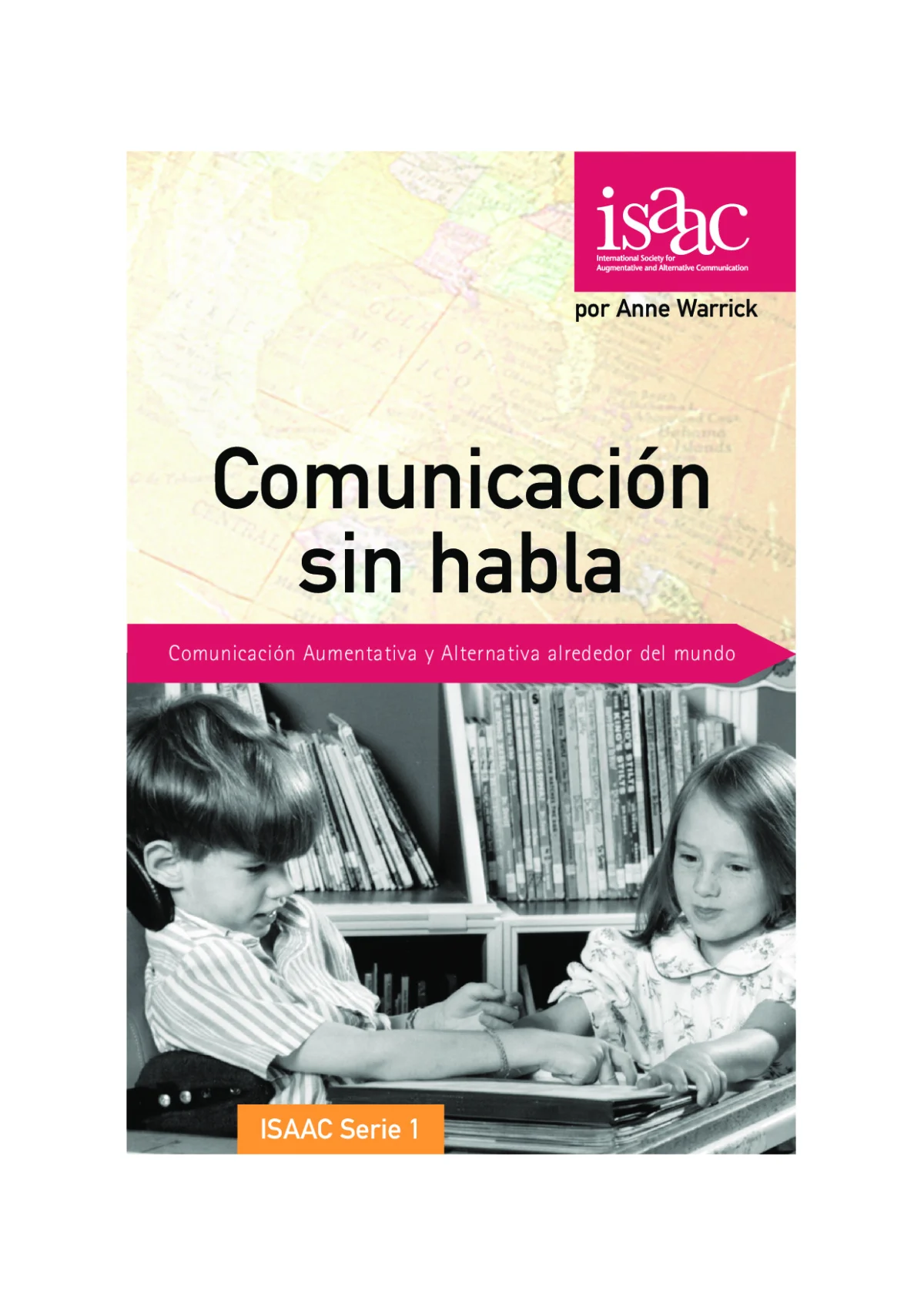
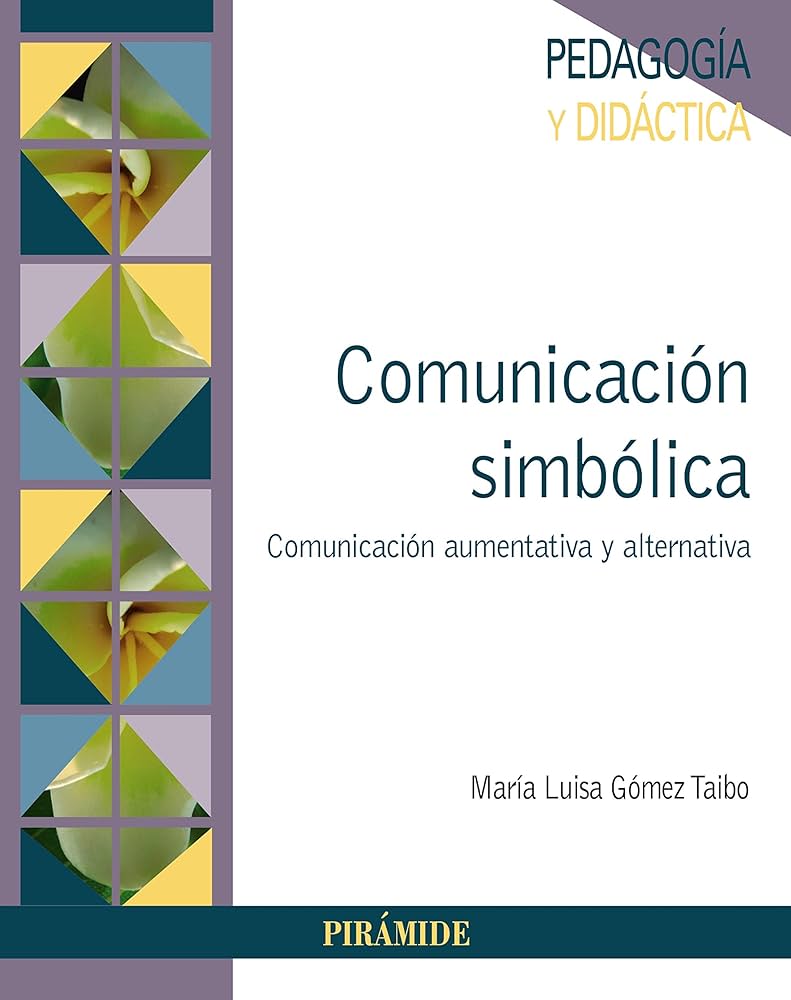
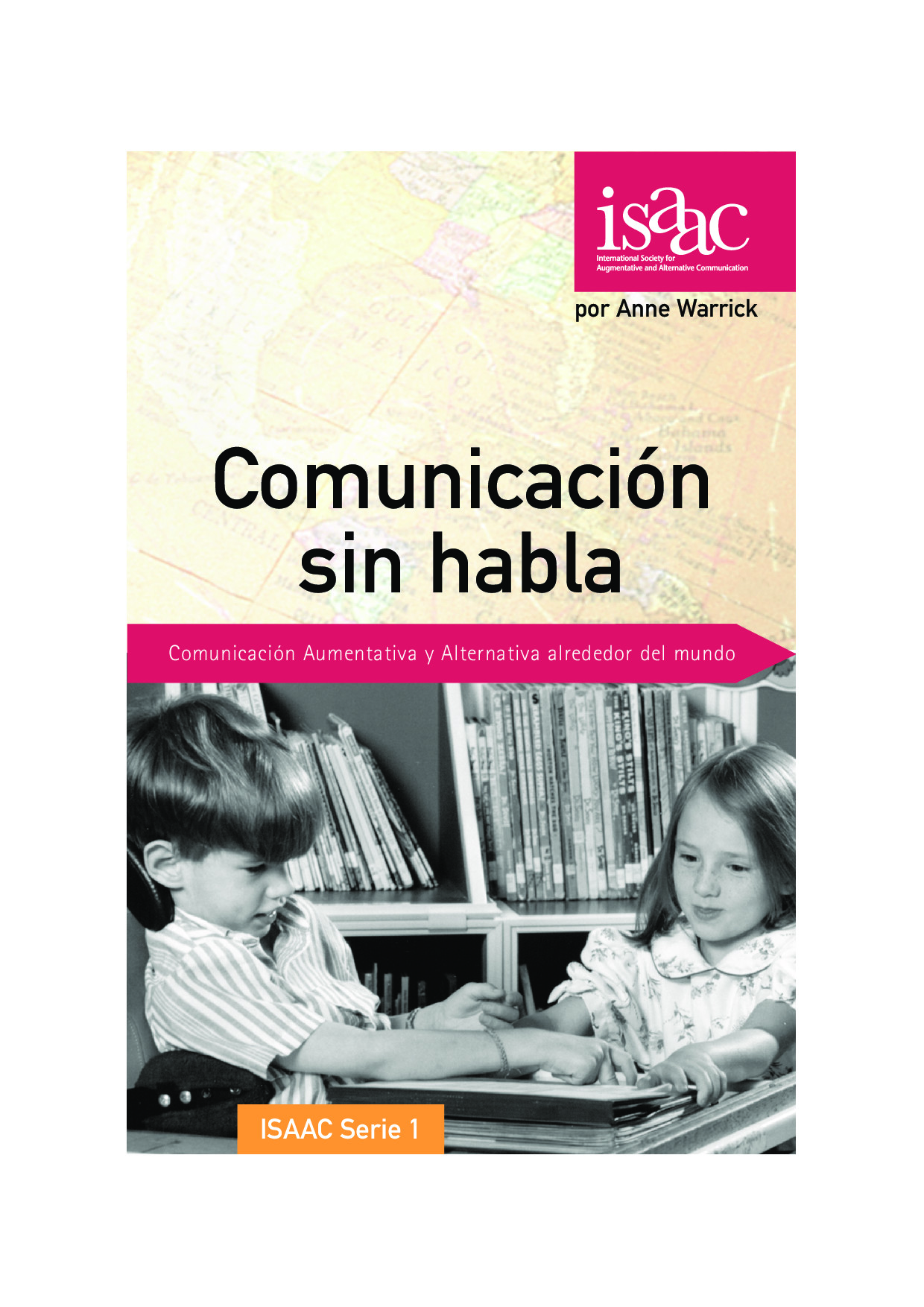
For years, practitioners in Latin America and Spain faced a significant "knowledge barrier," as the vast majority of seminal AAC literature was published exclusively in English. This linguistic divide often hindered the dissemination of standardized assessment protocols and evidence-based intervention strategies. The recent push to translate these cornerstone texts marks a significant milestone in the professionalization of AAC services across the Hispanic world.
A Landmark Addition to the Spanish Bibliography
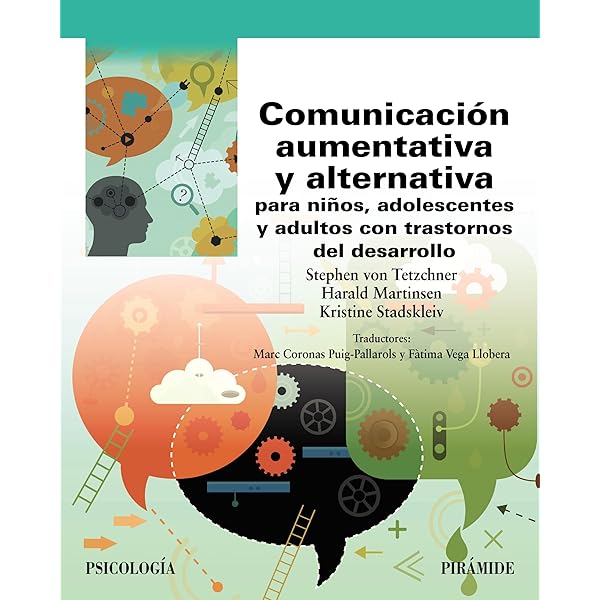
Among the most significant developments in this field is the translation of Augmentative and Alternative Communication for Children, Adolescents and Adults with Developmental Disorders, authored by Stephen von Tetzchner, Harald Martinsen, and Kristine Stadskleiv. This comprehensive volume has been widely cited as the "gold standard" for practitioners globally.
The text serves as a multidisciplinary roadmap. It provides detailed analysis on:
- Theoretical Foundations: Establishing the neurodevelopmental and linguistic frameworks necessary to understand non-verbal communication.
- Clinical Assessment: Offering standardized criteria to evaluate the specific communication needs of individuals across the lifespan.
- Intervention Strategies: Outlining evidence-based methodologies to support language development in environments ranging from clinical settings to domestic life.
The availability of this text in Spanish represents a turning point. By removing the barrier of language, the international community is ensuring that the same high-caliber standards of care are available to clinicians in Buenos Aires, Mexico City, Madrid, and beyond, fostering a unified global standard of practice.
The Role of International Organizations in Knowledge Dissemination
The transition from isolated research to a shared global body of knowledge has been facilitated by organizations such as the International Society for Augmentative and Alternative Communication (ISAAC). Since its inception in 1983, ISAAC has functioned as a central repository for international standards.
According to industry observers and board members within ISAAC, the current strategy involves a multi-pronged approach:

- Translation Initiatives: Collaborating with academic publishers to secure rights for Spanish-language editions of primary textbooks.
- Regional Chapters: Empowering local chapters to adapt international research to the cultural and economic contexts of their respective regions.
- Digital Integration: Utilizing digital platforms to host webinars, white papers, and translated case studies that supplement traditional print media.
This structured approach addresses the "implementation gap"—the time lag between the discovery of an effective clinical practice and its application in local hospitals or schools. Data from recent international surveys suggest that access to native-language literature increases the rate of adoption of evidence-based AAC practices by approximately 40% in non-English speaking regions.
Analyzing the Impact on Clinical Practice and Inclusion
The implications of having localized, high-quality AAC literature are profound. For educators, these resources provide the necessary training to integrate communication devices into the classroom, ensuring that students with complex needs are not merely present, but active participants in the learning process.
For families, these books serve as a lifeline. Many parents of children with developmental disorders report a feeling of isolation when faced with navigating complex care systems. Access to literature that explains the "why" and "how" of AAC empowers them to act as effective advocates for their children.
From an analytical standpoint, the trend toward translating AAC literature is a direct response to the global commitment toward the Sustainable Development Goals (SDGs), specifically Goal 4: Quality Education, and Goal 10: Reduced Inequalities. By providing professionals with the tools to facilitate communication, the international community is effectively dismantling one of the most persistent barriers to social and economic inclusion.
A Chronology of Advocacy and Resource Development
- 1995: UNESCO establishes International Book Day, setting a global precedent for literacy advocacy.
- 2005–2010: The rise of digital AAC technology forces a shift in focus; early professional literature remains primarily in English, highlighting a growing disparity in training.
- 2015–2020: Increased advocacy from Latin American professional groups leads to successful lobbying for the translation of key diagnostic manuals and pedagogical texts.
- 2024–2026: A surge in collaborative publishing efforts, supported by organizations like ISAAC, brings seminal works by von Tetzchner et al. to the Spanish-speaking market, marking a new era of linguistic inclusivity.
Future Perspectives: Beyond the Printed Page
While the celebration of International Book Day highlights the importance of the written word, the future of AAC lies in the integration of these literary foundations with adaptive technology. Current trends suggest that the next wave of literature will not only be translated but also "digitally native." This means that textbooks will increasingly include interactive components, such as QR codes linking to video demonstrations of communication interventions, or digital files that can be uploaded directly into speech-generating devices.
Experts emphasize that the goal is not to abandon traditional texts, but to evolve them into dynamic resources that reflect the rapid pace of technological change. As the field continues to mature, the focus will likely shift toward "contextual relevance"—ensuring that the strategies taught in textbooks are feasible within the diverse economic environments of the Spanish-speaking world.
Conclusion
The commitment to expanding the library of AAC resources in Spanish is more than an academic exercise; it is a prerequisite for equity. As the community reflects on the success of recent translations and the ongoing efforts to share knowledge, the message remains clear: communication is a fundamental human right that requires consistent, evidence-based support. By fostering a culture of informed practice through accessible literature, the AAC community is building a more inclusive future where every individual, regardless of their native language or ability, has the means to make their voice heard.
As we look toward the remainder of the year, the focus will remain on the sustained application of these resources. The collaboration between international researchers, local practitioners, and dedicated families continues to be the engine of progress. Through the ongoing commitment to translation, research, and professional training, the field of AAC is better positioned than ever to bridge the gap between theory and meaningful, everyday communication.