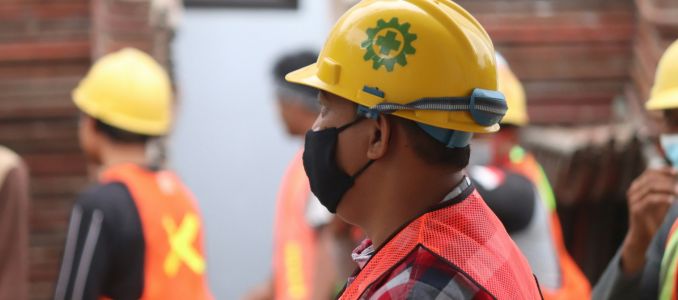
The urgency of this directive is underscored by a series of high-profile incidents that have rocked the state’s industrial sector, most notably a cluster of trench collapses. Within a single 48-hour period, emergency responders were called to three separate excavation sites across Michigan to address cave-ins, one of which resulted in a tragic worker fatality. These events have served as a catalyst for the state’s heightened regulatory stance, as officials seek to curb a trajectory that, if left unchecked, could result in the highest annual workplace mortality rate in the state in recent memory.
Chronology of Escalating Risk Factors
The current rise in fatalities is not attributed to a single cause but rather a confluence of operational variables that have increased in frequency throughout the 2026 fiscal year. MIOSHA analysts have identified four primary environmental factors that contribute to the rapid degradation of safety on job sites: fluctuating weather patterns, high-frequency equipment rotation, shifting traffic patterns, and sudden staffing adjustments.

In the early months of 2026, the state experienced an unusually wet spring, which significantly compromised soil stability at many excavation and construction sites. When coupled with the accelerated pace of mid-summer infrastructure projects, the margin for error effectively vanished. The recent spate of trenching accidents highlights a dangerous disconnect between the initial safety planning and the reality of field conditions. In many instances, the protective measures implemented at the start of a project—such as trench boxes or shoring systems—were either removed or improperly adjusted to accommodate shifting equipment needs, leading to catastrophic failure.
Data Analysis and Industry Trends
Data provided by the state indicates that while the construction industry accounts for a significant portion of these fatalities, the agricultural and manufacturing sectors are also showing signs of increased hazard levels. Statistically, the period between May and July has historically been the most dangerous for Michigan workers, but the 2026 figures show an early-season departure from historical averages.

The 21 recorded fatalities represent a statistically significant deviation from the same period in 2025. Industrial hygienists note that as supply chain pressures force contractors to work longer hours with less downtime for equipment maintenance, the "human factor"—fatigue, complacency, and lack of specialized training—becomes a primary driver of accidents. Furthermore, the reliance on temporary or seasonal labor, which often lacks the institutional knowledge of long-term employees, has created a workforce that is statistically more vulnerable to site-specific hazards.
The Four Pillars of Operational Safety
In response to these findings, MIOSHA has codified four key operational practices that every employer in the state is expected to implement immediately to mitigate risk:

- Continuous Hazard Assessment: Site safety cannot be a one-time event. Employers are required to evaluate site hazards before work begins and perform ongoing assessments as environmental conditions evolve throughout the shift. This includes monitoring for soil saturation, structural integrity, and proximity to overhead or underground utilities.
- Task-Specific Training: General safety orientations are insufficient for high-risk environments. Every worker must be provided with training that is tailored to the specific tasks they are performing that day, ensuring that they understand the unique risks associated with their specific equipment and environment.
- Integrated Communication: The breakdown of communication between general contractors and subcontractors is a frequent precursor to disaster. MIOSHA mandates that direct lines of communication be established and maintained at all times, ensuring that every worker on-site is aware of changes to site conditions or operational protocols.
- Authority to Stop Work: Perhaps the most critical component is the enforcement of a "Stop Work Authority." Every employee, regardless of their rank, must feel empowered to halt operations immediately if safety protocols are found to be missing, compromised, or inadequate. This cultural shift is intended to remove the fear of reprisal that often leads workers to ignore red flags.
Protecting the Right to a Safe Workplace
Central to the state’s guidance is the reaffirmation of the legal protections afforded to all Michigan workers. Under both state and federal law, employees possess an absolute right to report unsafe working conditions without fear of retaliation, termination, or harassment. This protection is not merely a suggestion but a cornerstone of occupational health and safety regulation.
Workers who identify unaddressed hazards or observe violations of safety protocols are encouraged to utilize multiple reporting channels. The most direct route is through an immediate supervisor; however, if the issue persists or if the supervisor is the source of the danger, workers are empowered to submit confidential complaints directly to state safety inspectors. MIOSHA has committed to investigating such reports with high priority, ensuring that whistleblower protections remain intact and that the identity of the complainant is shielded from the employer during the initial investigation phase.

State Resources and Consultation Services
Recognizing that many small-to-medium-sized businesses may lack the internal resources to perform complex safety audits, Michigan provides an array of free, confidential services. The state’s consultation program is designed specifically to help employers identify hazards before they lead to accidents or become the subject of regulatory enforcement.
These services include:

- On-Site Consultations: State-certified professionals visit job sites to conduct walkthroughs, identify potential violations, and suggest practical, cost-effective solutions for hazard abatement.
- Educational Workshops: Throughout the remainder of 2026, the state will host a series of webinars and in-person seminars focused on trench safety, heavy machinery operation, and heat-stress management.
- Safety Partnerships: MIOSHA is actively seeking to formalize partnerships with trade unions and industry associations to create peer-to-peer mentorship programs that reinforce the safety culture at the ground level.
Implications for the Future of Michigan Industry
The broader implications of these fatalities extend beyond the immediate human cost. For the construction and industrial sectors, these incidents result in increased insurance premiums, project delays due to investigations, and a potential loss of professional reputation. More importantly, the state’s proactive intervention suggests that a more stringent enforcement climate is on the horizon.
Industry analysts suggest that if the current rate of fatalities does not decline, the state may be forced to implement more aggressive inspection cycles, including unannounced "blitz" audits of active job sites. Such measures, while necessary for public safety, would increase the regulatory burden on businesses. Therefore, the current call for voluntary compliance is both a moral imperative and a pragmatic business strategy.

The message from state officials is clear: the safety of the workforce is the fundamental prerequisite for economic growth. As the state moves into the latter half of the year, the focus remains on transforming the current reactive approach—responding to tragedies after they occur—into a proactive, culture-based system of hazard prevention. The goal is to ensure that every worker in Michigan, regardless of their trade or position, returns home safely at the end of their shift. By fostering an environment where safety is integrated into the daily workflow and where communication flows freely between management and laborers, the state hopes to reverse the current trend and restore the safety standards that are essential for a healthy, productive workforce.