
The journey of auditory rehabilitation following cochlear implantation is as unique as each individual. While the technology itself provides the auditory input, the brain’s ability to interpret and make sense of these new sounds requires consistent engagement and practice. Research consistently highlights the importance of early and sustained auditory training in maximizing CI outcomes. A study published in the Journal of the American Academy of Audiology found that individuals who engaged in more frequent and varied listening activities demonstrated significantly greater improvements in speech understanding and overall quality of life. This underscores the principle that rehabilitation is not a passive reception of sound but an active process of neural rewiring and adaptation.
Consistent Audio Processor Wear: The Foundation of Auditory Adaptation
The most fundamental yet profoundly impactful step in cochlear implant rehabilitation is the consistent and prolonged wear of the audio processor. This simple yet crucial practice provides the brain with the continuous stream of auditory information it needs to learn, adapt, and build new neural pathways for sound processing. Experts recommend wearing the audio processor for as many waking hours as possible, treating it not as an occasional aid but as an integral part of one’s sensory experience.
Everyday sounds, often taken for granted, become critical learning opportunities. The gentle hum of a refrigerator, the rustling of leaves outside a window, the clatter of dishes, or the nuanced tones of a television program all contribute to a richer auditory landscape. These common sounds, when processed consistently, help the brain develop a robust understanding of its acoustic environment. It is through this sustained exposure that individuals learn to differentiate, identify, and interpret a wide spectrum of auditory stimuli, gradually moving from recognizing basic sounds to comprehending complex speech and environmental cues.

Furthermore, addressing any discomfort or difficulty associated with specific sounds is paramount. Instead of avoiding challenging auditory situations, individuals are encouraged to communicate these challenges to their audiologist or hearing healthcare professional. These professionals can then provide tailored adjustments to the CI settings, offer coping strategies, or recommend specific exercises to help the individual acclimate to potentially bothersome sounds. Ignoring these issues can inadvertently create barriers to consistent wear and hinder the rehabilitation process.
Integrating Short, Focused Listening Activities into Daily Routines
Auditory rehabilitation does not necessitate dedicating extensive blocks of time to formal training sessions. The effectiveness of rehabilitation can be significantly enhanced by incorporating short, focused listening activities into the existing daily schedule. These brief, targeted exercises are often more manageable and sustainable, especially for individuals juggling work, family responsibilities, and other commitments.
Activities such as listening to short audio clips from podcasts, audiobooks, or news broadcasts can be highly beneficial. Gradually increasing the duration and complexity of these listening tasks allows for progressive skill development. For instance, an individual might begin by listening to a segment with closed captions or a transcript, gradually transitioning to listening without visual aids. This approach allows the brain to strengthen its ability to process auditory information in isolation.
Another effective strategy involves engaging with spoken language in a controlled manner. This could involve listening to short dialogues, identifying specific words or phrases, or summarizing key points from an audio recording. The key is to approach these activities with intent and focus, actively engaging the auditory system rather than passively letting sounds wash over. The use of technology, such as streaming audio directly to the processor via Bluetooth-enabled devices, can further enhance these listening experiences, providing a clearer and more direct sound input.
Leveraging Rehabilitation Apps for Structured Practice
For those seeking a more structured approach to auditory training, a wealth of digital tools and rehabilitation applications are now available. MED-EL, a leading innovator in hearing implant technology, offers specialized applications designed to support CI users in their auditory and speech skill development.

The ReDi app, for example, provides a comprehensive suite of exercises tailored to enhance listening abilities. It features various difficulty levels, allowing users to progress at their own pace and receive immediate feedback on their performance. This interactive approach transforms listening practice into an engaging and rewarding experience. The app’s design facilitates short, focused training sessions that can be easily integrated into daily routines, making consistent practice achievable. Its modular structure allows users to target specific areas of improvement, whether it’s distinguishing between similar sounds, understanding speech in noisy environments, or developing phonemic awareness.
Another notable resource is Meludia, an application that utilizes music-based exercises to refine listening skills. Meludia’s innovative approach leverages the universal appeal of music to engage users in auditory training. Its progressive levels, ranging from "discovery" to "expert," cater to individuals of all ages and musical backgrounds, making it an accessible and enjoyable tool for auditory rehabilitation. By engaging with musical patterns, rhythms, and melodies, users can develop a heightened sensitivity to subtle auditory cues, which can then translate to improved understanding of speech and environmental sounds. The platform’s adaptive nature ensures that users are consistently challenged without being overwhelmed, fostering sustained engagement and progress.
Rediscovering Music: A Familiar Pathway to Auditory Engagement
Music, a profound aspect of human experience, can also serve as a powerful tool in cochlear implant rehabilitation. The perception of music can undergo a significant transformation with a CI, and for many, rediscovering this auditory pleasure is a key goal. A common and effective strategy involves starting with songs that are already deeply familiar.
By listening repeatedly to beloved melodies, individuals can begin to reacquaint their brains with the intricate patterns, rhythms, and vocal nuances of music. The familiarity of the song provides a cognitive anchor, allowing the brain to focus on processing the new auditory information without the added burden of deciphering unfamiliar content. This process can help bridge the gap between the auditory experience before and after the CI, fostering a sense of recognition and connection.
Members of online support communities, such as the Hearpeers community, often share their personal experiences and strategies. One user recounts, "I listened over and over again until the song sounded like I remembered." This anecdotal evidence highlights the power of repetition and focused listening in re-establishing familiar auditory perceptions. The journey might involve following lyrics initially, then gradually progressing to listening without them, allowing for a deeper immersion in the sonic landscape. It is important to acknowledge that the sound of music may not be an exact replica of past experiences immediately. Patience and consistent exploration are key to allowing the brain to adapt and appreciate the new sonic richness.
Enhancing Listening in Challenging Environments with Assistive Technology
Navigating environments with background noise, such as busy restaurants, public transportation, or even watching television, can present significant challenges for cochlear implant users. These situations demand a higher level of auditory processing and can be taxing. Fortunately, assistive listening technology offers valuable solutions to mitigate these difficulties.
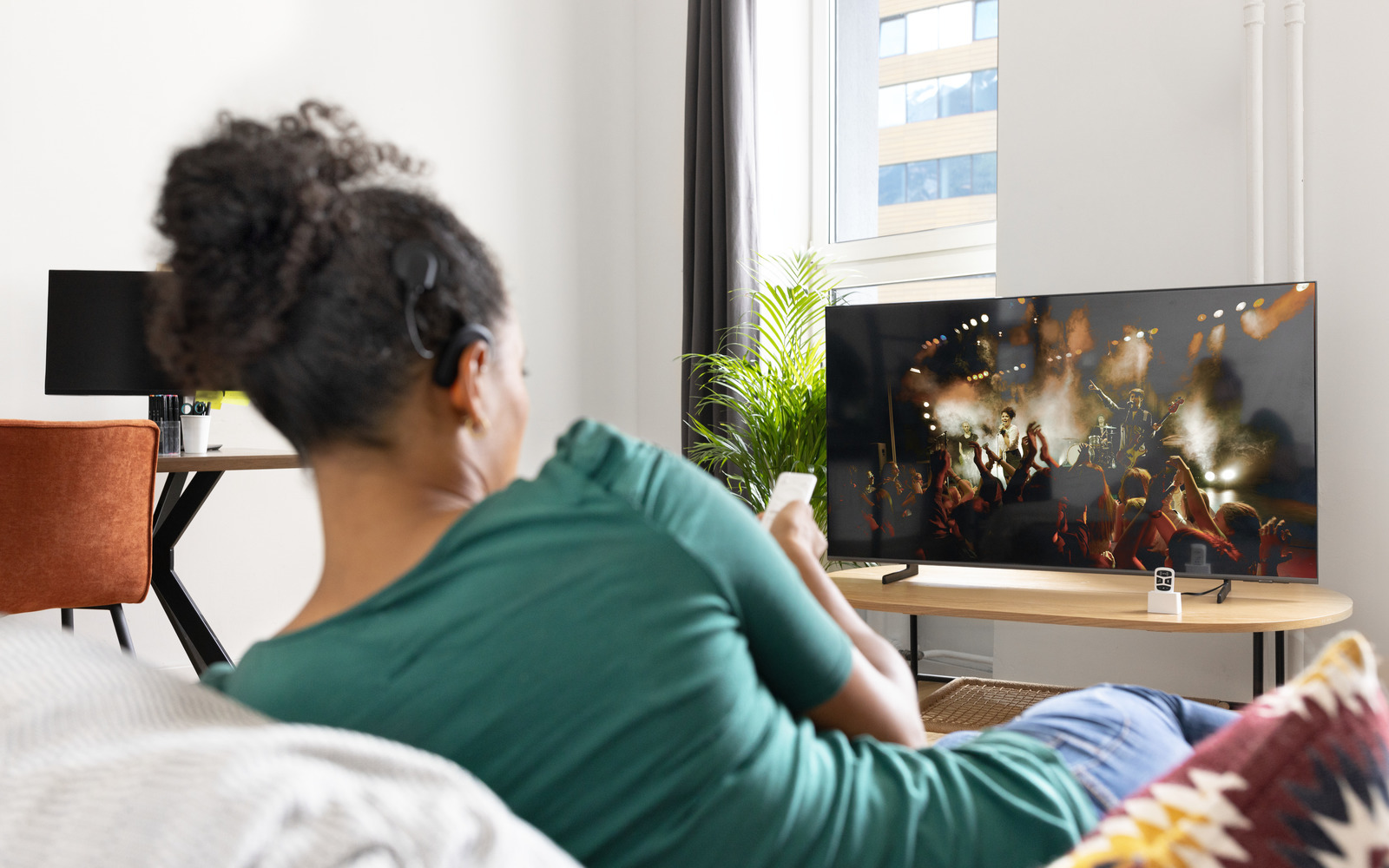
Devices like MED-EL’s AudioLink XT and AudioStream Adapter are designed to transmit sound directly from electronic devices to the audio processor, bypassing ambient noise and providing a clearer, more direct auditory signal. This technology is particularly beneficial for activities such as watching television, listening to audiobooks, or participating in phone conversations. The AudioLink XT can also function as a remote microphone, capturing speech from a distance and transmitting it directly to the user’s processor, thereby enhancing comprehension during meetings or group discussions.
The selection of appropriate assistive listening technology should be a collaborative process between the individual and their hearing healthcare professional. Factors such as the specific audio processor model, individual listening needs, and technological compatibility will influence the most suitable recommendations. By understanding and utilizing these technological aids, individuals can significantly improve their ability to engage in communication and enjoy auditory experiences in a wider range of environments.
Developing Effective Communication Strategies for Enhanced Interaction
Beyond the technological aspects of hearing, developing robust communication strategies plays a pivotal role in fostering successful interactions. Effective communication is a two-way street, influenced not only by an individual’s hearing ability but also by their surroundings and the communication methods employed by their conversation partners.
Different situations necessitate different approaches. In noisy environments, for example, facing the speaker directly, ensuring good lighting for lip-reading cues, and minimizing distractions can significantly improve comprehension. When faced with an unclear utterance, instead of a generic "I can’t hear you," more specific requests, such as "Could you please repeat the last sentence?" or "Could we move to a quieter spot?" can be more effective. This proactive approach empowers the individual to guide the communication process and ensures that their needs are understood.
Learning and implementing these strategies can be a gradual process, often facilitated by rehabilitation specialists. Resources and training programs are available to help individuals master these techniques, enabling them to navigate social situations with greater confidence and ease. The ability to articulate communication needs and preferences empowers individuals to advocate for themselves and create more inclusive communication environments.
Tailoring Rehabilitation to Individual Needs and Lifestyles
Ultimately, the most effective cochlear implant rehabilitation plan is one that is personalized to the individual’s unique circumstances. There is no one-size-fits-all approach to auditory rehabilitation. Factors such as personal hearing goals, professional demands, family commitments, leisure interests, and individual listening capabilities all contribute to a unique profile that should inform the rehabilitation strategy.
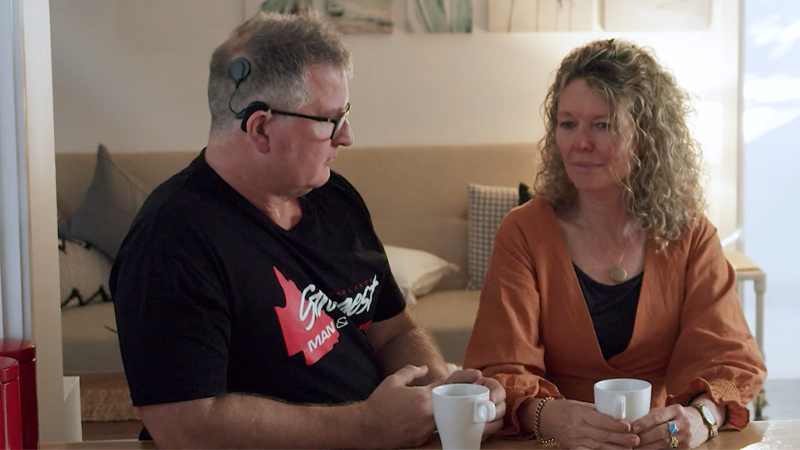
The fundamental principle remains that listening practice can occur in virtually any setting. By consistently wearing the audio processor, embracing available technologies, and actively employing communication strategies, individuals can transform everyday life into a continuous rehabilitation experience. Whether it’s dedicating a few minutes to a rehabilitation app, enjoying an audiobook during a commute, engaging in a conversation over coffee, or revisiting a cherished song, each moment offers an opportunity for auditory growth.
The journey of auditory rehabilitation is a dynamic and ongoing process. By integrating these practical strategies into daily life, cochlear implant recipients can unlock their full auditory potential, enhancing their quality of life and fostering deeper connections with the world around them.
Seeking Professional Guidance for Personalized Support
Navigating the complexities of cochlear implant rehabilitation can be significantly enhanced by professional guidance. Hearing professionals and rehabilitation specialists are invaluable resources, equipped to assess individual needs, recommend appropriate listening activities, and develop tailored communication strategies. They can also provide support in selecting assistive listening devices and troubleshooting any challenges that may arise. For further information and personalized support, individuals are encouraged to connect with their local MED-EL team. These experts are dedicated to empowering individuals on their hearing journey and ensuring they receive the most effective and personalized care.