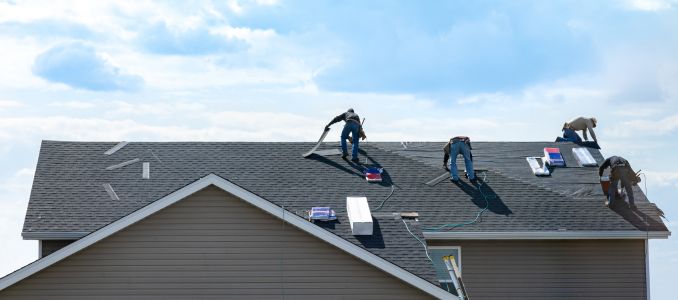
The investigation centered on a residential leak repair project where the three firms—Atlas Building and Roofing Inc., Atlas Roofing Company Inc., and Roof-Top Construction Inc.—were found to have shared responsibility for the worksite. As the construction industry continues to face intense pressure to complete projects rapidly, this incident serves as a grim reminder of the lethal consequences associated with bypassing essential safety standards.
Chronology of the Incident and Investigation
The fatal event occurred during routine maintenance work at a residential property. While specific dates were not disclosed in the preliminary summary, Cal/OSHA’s findings paint a clear picture of the conditions leading up to the fall. According to the state’s investigative report, the victim fell approximately two stories, suffering fatal head injuries upon impact with the ground.
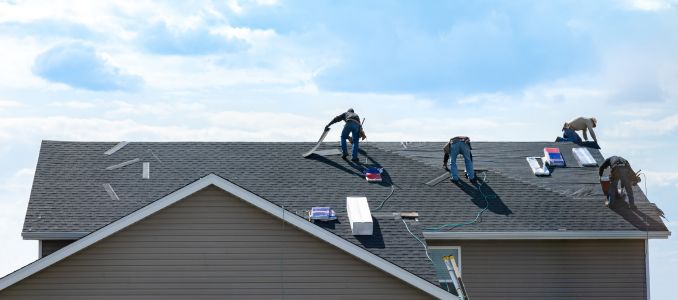
Following the accident, Cal/OSHA launched an immediate inquiry into the site’s safety management. Inspectors discovered a pattern of negligence that extended beyond the immediate lack of fall protection. Among the primary findings were:
- A complete lack of mandatory fall protection systems, such as guardrails, safety nets, or personal fall arrest equipment (harnesses and lanyards).
- Inadequate training regarding ladder safety and height-related risks.
- The absence of a designated, first-aid-certified worker on the premises, which is a violation of basic California industrial safety requirements.
- Failure to provide, in the case of two of the firms, legally mandated heat illness prevention training, which is particularly critical given the high-temperature environment of Los Angeles rooftops.
Detailed Breakdown of Proposed Penalties
The financial sanctions proposed by Cal/OSHA reflect the severity of the violations, categorized by the level of regulatory breach. The fines are distributed as follows:
Atlas Building and Roofing Inc. faces the most significant financial burden, with $120,300 in proposed penalties. This assessment includes one willful-serious accident-related violation, three serious violations, and two general violations. The firm’s history is a significant factor in the severity of these fines; state records indicate that the company was cited for similar willful-serious and serious roofing violations as recently as 2025, alongside two serious violations in 2023. This repeat-offender status suggests a recurring failure to implement necessary safety culture changes.
Atlas Roofing Company Inc. has been issued $113,750 in proposed fines, comprising one willful-serious accident-related violation, three serious violations, and two general violations. Like its counterpart, the firm is now under intense regulatory scrutiny.
Roof-Top Construction Inc. faces $48,370 in proposed penalties, consisting of one serious accident-related violation, three serious violations, and two general violations.
In total, the three companies have 15 working days from the date of the citation to contest the findings before the Occupational Safety and Health Appeals Board. Records indicate that both Atlas Building and Roofing Inc. and Atlas Roofing Company Inc. have already initiated the formal appeals process, signaling a protracted legal battle ahead.

The Regulatory Framework for Fall Protection
California’s stringent safety standards are designed specifically to mitigate the inherent risks of residential construction. Under Title 8 of the California Code of Regulations, employers are strictly required to provide fall protection for any worker operating at a height of six feet or more. For roof slopes up to 7:12 (a pitch where the roof rises 7 inches for every 12 inches of horizontal length), protection must be provided via guardrails, safety nets, or personal fall arrest systems. On steeper roofs, these requirements are absolute, regardless of the height.
The "willful" designation assigned to these citations is significant. Under Cal/OSHA guidelines, a violation is considered "willful" when an employer intentionally and knowingly fails to comply with a safety standard, or operates with plain indifference to the law. Given that these standards are industry-standard knowledge, the presence of willful-serious violations suggests that the companies were aware of the risks but chose to prioritize speed or cost-savings over the lives of their employees.
Broader Industry Implications and Analysis
The fatality in Westchester highlights a persistent issue within the construction sector: the "gig-ification" and subcontracting complexity of residential projects. When multiple contractors are involved in a single job site, lines of responsibility often become blurred. In this case, Cal/OSHA’s finding that all three companies shared responsibility underscores the state’s intent to hold all parties accountable, regardless of their specific contract language.
Safety experts note that the "Fatal Four"—falls, struck-by, caught-in/between, and electrocution—continue to be the leading causes of death in the construction industry. Falls, in particular, remain the number one killer. The economic impact of these accidents is not limited to the fines proposed by Cal/OSHA; it includes higher insurance premiums, potential loss of licensure, project delays, and the immeasurable human cost of a preventable workplace death.
"The industry needs to move beyond a compliance-only mindset," noted one industry analyst familiar with Cal/OSHA enforcement trends. "When companies have repeat violations, it indicates that the financial penalty is merely being viewed as a ‘cost of doing business’ rather than a deterrent. Regulatory agencies are now shifting their strategy to ensure that repeat offenders face more severe consequences, including potential criminal referrals."
Next Steps and Criminal Oversight
While the civil citations and financial penalties are handled by the Occupational Safety and Health Appeals Board, the case remains under active investigation by Cal/OSHA’s Bureau of Investigations (BOI). The BOI specializes in evaluating whether workplace accidents involve criminal negligence. If evidence suggests that the employers’ actions—or lack thereof—constituted criminal behavior, the findings could be referred to the local District Attorney’s office for prosecution.
As the appeals process moves forward, the construction industry will be watching closely. For smaller residential contractors, the case serves as a warning: the state of California is increasingly unwilling to accept "ignorance" or "oversight" as a defense for unsafe working conditions. The emphasis on safety training, particularly regarding heat illness and fall prevention, is being strictly enforced to protect a workforce that is frequently vulnerable to the pressures of high-stakes, fast-paced residential construction.
The families of the victim, as well as the workforce at large, now wait for the conclusion of these proceedings. The outcome will likely serve as a benchmark for how California regulators handle multi-employer liability in the future, potentially setting a precedent for how subcontractors and primary contractors share the burden of safety in the field. Until the appeals are resolved, the companies remain under the shadow of these severe citations, a testament to the fact that in the roofing industry, the difference between a successful project and a tragedy is often a single, properly utilized piece of safety equipment.