
Chronology of the Incident
The incident occurred in April when an employee was tasked with closing a drain valve that had been left open due to an operational oversight. To access the valve, the worker was required to navigate through a significant accumulation of pulp, which had reached temperatures of approximately 145 degrees Fahrenheit. While attempting to descend after successfully closing the valve, the worker encountered a hidden hazard: a 4-foot deep sinkhole concealed beneath three feet of spilled pulp.
As the worker stepped into the sinkhole, he was immediately submerged in the hot, semi-liquid material. According to the subsequent L&I investigation, the situation could have been fatal had the worker not been able to secure his grip on a nearby pipe. This emergency maneuver allowed him to stabilize his position and eventually find purchase on the edge of the sinkhole to climb to safety. Had he lost his grip or failed to find a footing, inspectors noted that the depth of the pulp—which exceeded seven feet in certain sections of the spill zone—would have completely engulfed him, presenting an immediate risk of thermal burns and asphyxiation.
Regulatory Findings and Violations
The L&I inspection report outlines a failure by management to protect employees from foreseeable hazards. The agency’s assessment of $77,800 in penalties is predicated on multiple violations of state workplace safety standards. Central to the citations was the company’s failure to implement adequate protection against the extreme thermal energy of the pulp and the persistent risk of engulfment.
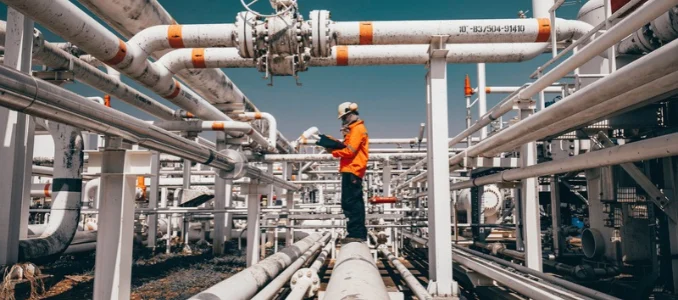
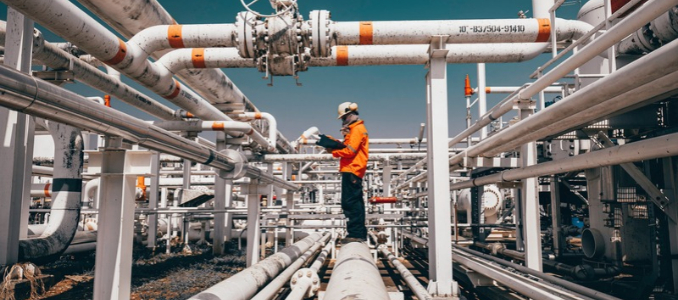
Furthermore, the investigation uncovered a critical oversight regarding the mill’s infrastructure. L&I determined that the paper machine’s pulp system was subject to the requirements of a hazardous materials piping safety program. Despite the potential for catastrophic failure or accidental release, this system had been excluded from the mandatory safety program, leaving workers exposed to risks that had not been properly mitigated or documented.

Under Washington state law, Nippon Dynawave has 15 working days from the date the citations were issued to appeal the findings. As of the current reporting, the company has not publicly signaled an intent to contest the penalties, though the legal window for such an action remains open.
Operational Context and Recurring Hazards
One of the most alarming aspects of the L&I investigation was the revelation regarding the frequency of these spills. During interviews with inspectors, paper machine managers acknowledged that spills of this nature were not isolated events. In fact, management admitted that similar spills occur with a frequency of approximately once every two months, and in some operational periods, the frequency is even higher.
The admission by facility leadership that they were aware that employees were frequently wading into these spill zones to operate tank valves suggests a systemic disregard for established safety procedures. This acknowledgement implies that the April incident was a predictable outcome of an operational culture that prioritized valve access over employee safety, rather than an unforeseen accident.
In the wake of the citations, mill management has entered into an agreement with L&I to implement immediate corrective measures. These include a firm mandate prohibiting employees from entering designated pulp spill areas and the development of new engineering controls. These controls are intended to provide workers with a means to close valves remotely or through methods that eliminate the need for direct physical exposure to the hazardous materials.
Broader Implications for Industrial Safety
The Nippon Dynawave incident serves as a stark reminder of the dangers inherent in the pulp and paper industry, where high-temperature chemical processes and heavy machinery converge. The industrial sector often relies on complex piping systems that, if left unmonitored or improperly maintained, pose risks of rupture, spill, and thermal exposure.
The absence of a rigorous hazardous materials piping safety program is a significant finding. In the context of industrial compliance, these programs are designed to perform a "cradle-to-grave" analysis of piping systems—identifying points of failure, establishing inspection intervals, and mandating personal protective equipment (PPE) for any required maintenance. By failing to include the paper machine pulp system in this protocol, the facility deprived its workforce of the administrative safeguards required to identify the sinkhole risk before an incident could occur.

Comparison to Other Safety Concerns
This investigation, while significant, is part of a larger ongoing scrutiny of the Longview facility. L&I confirmed that this inspection was one of two active cases open at the mill prior to the tragic failure of a white liquor tank on May 26. While the agency has clarified that the April pulp incident is not directly linked to the fatal tank failure, the back-to-back occurrence of serious safety issues has drawn intense interest from both regulators and labor advocates.
The May 26 incident remains under active investigation. In such cases, regulators typically conduct a "Root Cause Analysis" (RCA) to determine whether the failure was due to equipment fatigue, corrosion, lack of maintenance, or operator error. The fact that two separate, high-stakes investigations were pending at the same facility underscores the difficulty of managing safety in aging industrial infrastructure.
Analysis of Industrial Compliance and Engineering Controls
The transition from relying on worker behavior to implementing "engineering controls" is a cornerstone of the hierarchy of controls in occupational health and safety. The hierarchy dictates that organizations should prioritize eliminating the hazard at the source, followed by engineering controls, administrative controls, and finally, personal protective equipment.
By choosing to allow employees to wade into hot pulp to manually close valves, Nippon Dynawave had been operating at the bottom of the safety hierarchy. The mandate from L&I forces a move toward the top of that hierarchy—specifically, engineering controls that distance the human element from the hazard. Whether the mill will successfully integrate these changes without further incidents depends heavily on the consistency of its safety culture and the stringency of its oversight moving forward.
Conclusion and Future Outlook
The $77,800 penalty assessed by L&I reflects the gravity with which the state views the exposure of workers to high-temperature liquids and the potential for engulfment. As the pulp and paper industry continues to face economic pressures to maximize uptime and minimize production pauses, the pressure to bypass safety protocols can become a dangerous temptation.
For the workers at the Longview mill, the incident in April was a narrow escape from a potentially fatal outcome. As investigations continue into other aspects of the facility’s operations, the focus for regulators, labor unions, and management will remain on ensuring that the newly mandated engineering controls are not only implemented but strictly adhered to. The path forward for the facility will likely involve increased oversight, mandatory training sessions, and a fundamental shift in how the company approaches the maintenance of its hazardous piping infrastructure.

The case of Nippon Dynawave provides a critical case study for the industry at large, emphasizing that when management ignores recurring hazards, the result is an inevitable escalation in risk that eventually compromises the lives of those on the front lines of production. The regulatory response serves as both a punitive measure and a corrective roadmap for the company to align its operations with the non-negotiable safety standards required in modern manufacturing.