
A Deeper Dive into Hearing Loss: Conductive Versus Sensorineural
To fully grasp the nuances, a comparative overview provides clarity:
| Feature | Conductive Hearing Loss | Sensorineural Hearing Loss |
|---|---|---|
| Location of Issue | Outer ear or middle ear | Inner ear (cochlea) or auditory nerve |
| Nature of Problem | Mechanical issue, preventing sound transmission | Damage to sensory cells or neural pathways, affecting signal conversion and transmission |
| Common Causes | Earwax impaction, ear infections, fluid buildup (otitis media), perforated eardrum, otosclerosis, foreign objects | Aging (presbycusis), prolonged exposure to loud noise, genetic factors, certain illnesses (e.g., meningitis), ototoxic medications, Meniere’s disease, acoustic neuroma |
| Auditory Experience | Sounds are muffled, quiet, or feel "blocked" | Speech clarity is reduced, certain frequencies are lost, difficulty understanding in noisy environments, distorted sounds |
| Duration | Often temporary and treatable, depending on the underlying cause | Typically permanent and progressive |
| Primary Treatments | Medical interventions (e.g., antibiotics for infection), surgical procedures, or assistive devices like bone conduction hearing aids | Hearing aids, cochlear implants, auditory brainstem implants, and other advanced assistive listening devices |
In essence, conductive hearing loss presents a barrier to sound reaching the inner ear, while sensorineural hearing loss impacts the ear’s ability to process and transmit sound information to the brain. It is also important to note that mixed hearing loss can occur, where both conductive and sensorineural components are present. This is not uncommon, particularly in older adults or individuals with chronic ear conditions, and necessitates a treatment approach that addresses both the mechanical and neural aspects of the hearing impairment.

Understanding Conductive Hearing Loss
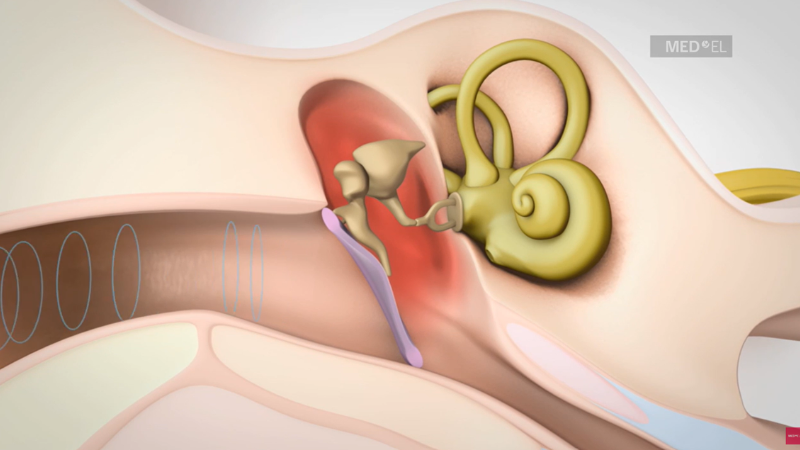
Conductive hearing loss arises when sound waves encounter an obstacle or disruption in the outer ear canal or the middle ear cavity. This prevents sound from traveling efficiently to the inner ear, where it would normally be converted into electrical signals.
Common Causes of Conductive Hearing Loss:
- Earwax Blockage: Excessive earwax can obstruct the ear canal, muffling sounds.
- Middle Ear Infections (Otitis Media): Fluid accumulation behind the eardrum due to infection can dampen vibrations.
- Perforated Eardrum: A hole in the eardrum can reduce its ability to vibrate effectively.
- Otosclerosis: A condition where abnormal bone growth in the middle ear stiffens the ossicles, hindering sound transmission.
- Eustachian Tube Dysfunction: Problems with the tube connecting the middle ear to the back of the throat can lead to pressure imbalances and fluid buildup.
- Cholesteatoma: A non-cancerous skin growth in the middle ear that can damage structures.
- Foreign Objects: Objects lodged in the ear canal can block sound.
What It May Sound Like: Individuals experiencing conductive hearing loss often describe sounds as being muffled, distant, or as if they are underwater. Voices may seem less clear, and the overall volume of the environment is reduced.
Is Conductive Hearing Loss Permanent? The prognosis for conductive hearing loss is often positive, as many of its causes are treatable. For instance, earwax impactions can be safely removed, ear infections can be cleared with medication, and surgical interventions can address issues like otosclerosis or eardrum perforations. However, if the underlying cause is not resolved or if there is significant structural damage, conductive hearing loss can persist.

Understanding Sensorineural Hearing Loss
Sensorineural hearing loss, often the most common form of hearing impairment, involves damage to the sensory cells within the cochlea or the auditory nerve pathways that carry signals to the brain. This type of hearing loss affects the ear’s ability to convert sound vibrations into electrical impulses that the brain can interpret as sound.
Common Causes of Sensorineural Hearing Loss:
- Presbycusis (Age-Related Hearing Loss): A gradual decline in hearing that affects most individuals over the age of 60, characterized by the loss of high-frequency sounds. The World Health Organization (WHO) estimates that by 2050, over 1.5 billion people worldwide will be living with hearing loss, with presbycusis being a significant contributor.
- Noise-Induced Hearing Loss (NIHL): Prolonged or intense exposure to loud noises, whether from occupational settings (e.g., construction, manufacturing) or recreational activities (e.g., concerts, firearms), can damage the delicate hair cells in the cochlea. The Centers for Disease Control and Prevention (CDC) reports that approximately 22 million workers are exposed to hazardous noise levels annually in the U.S.
- Genetics: Inherited predispositions can lead to sensorineural hearing loss that may manifest at birth or develop later in life.
- Ototoxic Medications: Certain drugs, including some antibiotics, chemotherapy agents, and aspirin in high doses, can have a toxic effect on the inner ear.
- Illnesses and Infections: Viral infections like measles, mumps, and meningitis can damage the auditory system.
- Meniere’s Disease: An inner ear disorder characterized by vertigo, tinnitus, and fluctuating hearing loss.
- Acoustic Neuroma: A benign tumor on the auditory nerve that can cause hearing loss, tinnitus, and balance problems.
What It May Sound Like: Sensorineural hearing loss often presents as a difficulty in understanding speech, even if sounds are audible. It can lead to a perception of quietness, distortion, or a loss of specific frequencies, making it challenging to distinguish consonants. Background noise can exacerbate these difficulties, making conversations in busy environments or on the telephone particularly arduous. For instance, a person might hear the sound of a voice but struggle to decipher the words being spoken.
Is Sensorineural Hearing Loss Permanent? In the vast majority of cases, sensorineural hearing loss is irreversible. The damage to the hair cells or auditory nerve is typically not repairable through medical or surgical means. However, the impact on an individual’s quality of life can be significantly mitigated through appropriate management strategies.
Treatment Options for Sensorineural Hearing Loss:
While sensorineural hearing loss cannot usually be cured, it can be effectively managed with:
- Hearing Aids: These devices amplify sounds, making them louder and easier to hear. Modern hearing aids are sophisticated and can be programmed to address specific hearing loss patterns and environmental conditions.
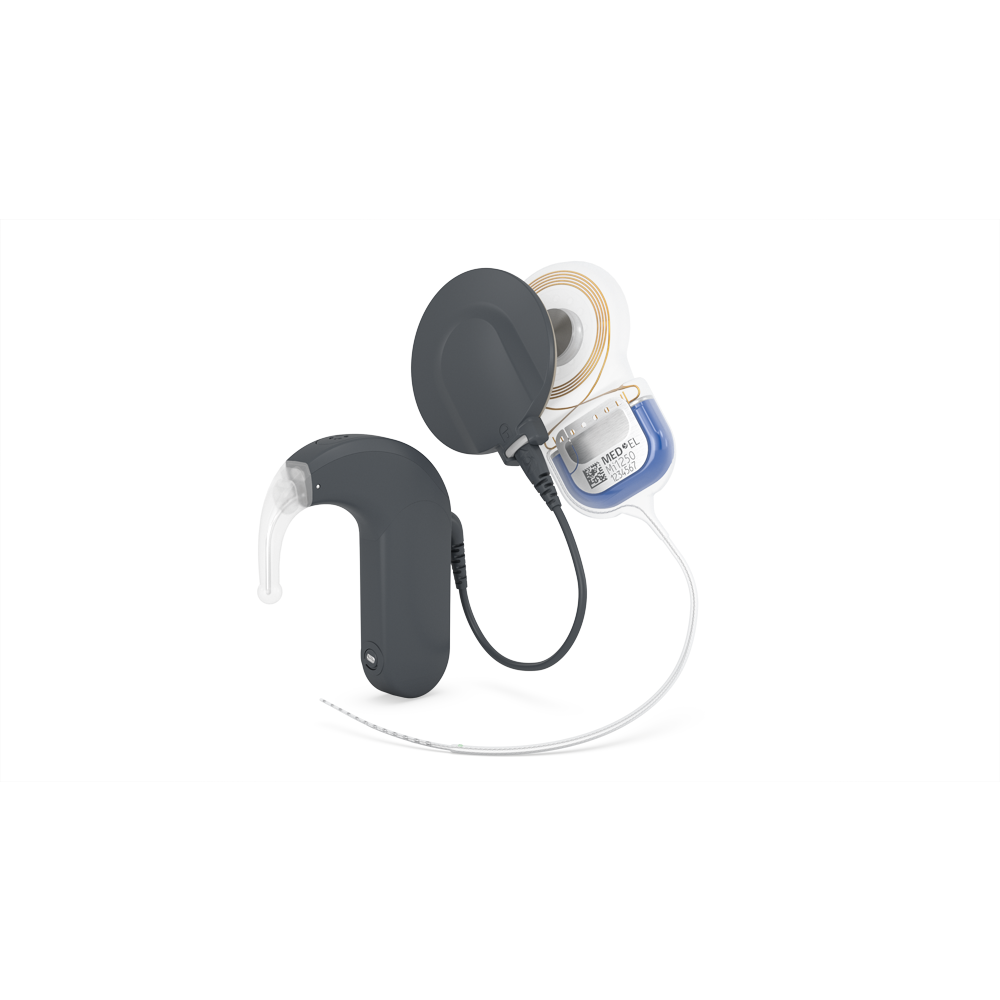
- Cochlear Implants: For individuals with severe to profound sensorineural hearing loss who do not benefit sufficiently from hearing aids, cochlear implants offer a revolutionary solution. These surgically implanted devices bypass damaged parts of the inner ear and directly stimulate the auditory nerve, providing a sense of sound. MED-EL is a leading innovator in this field, with a history of developing advanced cochlear implant systems.
- Auditory Brainstem Implants (ABIs): In rare cases, when the auditory nerve itself is damaged or absent, ABIs can be implanted to directly stimulate the cochlear nuclei in the brainstem.
Mixed Hearing Loss: A Combination of Challenges
Mixed hearing loss occurs when an individual experiences both conductive and sensorineural components of hearing impairment. This can arise from a primary sensorineural issue that is further complicated by a conductive problem, or vice versa. For example, an elderly individual with age-related hearing loss (sensorineural) might also develop a middle ear infection (conductive). Managing mixed hearing loss requires a comprehensive approach that addresses both the transmission and the transduction/neural aspects of the auditory deficit.
Diagnosing the Type of Hearing Loss
While individuals may recognize changes in their hearing, self-diagnosing the specific type of hearing loss is unreliable. A professional audiological evaluation is essential for accurate diagnosis. This typically involves:
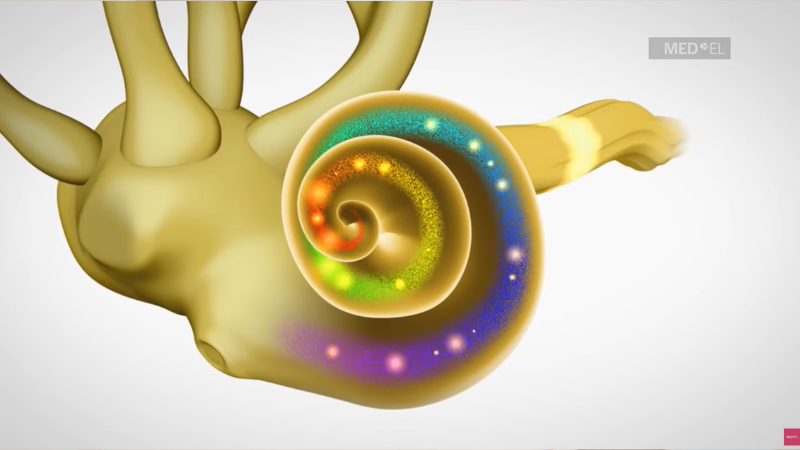
- Audiometry: This is a series of tests to measure hearing thresholds at different frequencies. It can identify the degree of hearing loss (mild, moderate, severe, profound) and its configuration.
- Tympanometry: This test measures the mobility of the eardrum and middle ear, helping to identify problems in the middle ear, which are characteristic of conductive hearing loss.
- Otoacoustic Emissions (OAEs): These tests measure the response of the outer hair cells in the cochlea. A lack of OAEs can indicate damage to these cells, pointing towards sensorineural hearing loss.
- Auditory Brainstem Response (ABR): This test measures the electrical activity of the auditory nerve and brainstem in response to sound. It is particularly useful for detecting problems along the auditory pathway beyond the cochlea.
Starting with an online hearing test can be a valuable preliminary step, offering a general indication of hearing ability and prompting a more thorough professional assessment.
The Importance of Professional Evaluation
Symptoms of conductive and sensorineural hearing loss can overlap, making a professional diagnosis critical. For instance, both types can lead to difficulty understanding speech. However, the underlying causes and, consequently, the most effective treatment strategies differ significantly. Only a qualified audiologist or ENT specialist can accurately determine the type and severity of hearing loss through a comprehensive battery of tests.
Treatment Pathways and Future Considerations
The treatment plan for hearing loss is highly individualized, based on the type, severity, and underlying cause.
Conductive Hearing Loss Treatment:
- Medical Treatment: Antibiotics for infections, or other medications to address specific causes.
- Surgical Intervention: Procedures to repair a perforated eardrum, remove fluid, or address conditions like otosclerosis.
- Assistive Devices: If medical or surgical treatments are not fully effective or appropriate, hearing aids, bone conduction implants (like MED-EL’s Bonebridge system), or middle ear implants can significantly improve hearing.
Sensorineural Hearing Loss Treatment:
- Hearing Aids: The first line of management for mild to moderate sensorineural hearing loss.
- Cochlear Implants: A life-changing option for individuals with severe to profound hearing loss who receive limited benefit from hearing aids. MED-EL’s commitment to innovation in cochlear implant technology aims to provide clearer sound perception and improved speech understanding.
- Rehabilitation and Therapy: Auditory training and speech therapy can help individuals adapt to their hearing loss and maximize the effectiveness of their hearing devices.
Taking Action for Better Hearing Health
Experiencing hearing difficulties should not be a cause for prolonged concern, but rather a prompt for proactive engagement with hearing healthcare professionals. Early intervention and appropriate management can lead to substantial improvements in an individual’s ability to communicate, connect with others, and maintain a high quality of life. A professional hearing evaluation remains the most crucial first step in understanding and addressing any hearing concerns.
For those seeking further information or considering their options, engaging with specialists like those at MED-EL can provide valuable insights into the latest advancements in hearing loss diagnosis and treatment.