
A Medical Crisis and the Dawn of a New Era
In 1994, at just 22 months old, Buckingham contracted pneumococcal meningitis, a severe bacterial infection that caused profound, permanent hearing loss. At the time, the medical landscape for pediatric hearing impairment was in a state of rapid transition. The mid-1990s marked a pivotal era for audiology, characterized by the emergence of cochlear implants as a viable, albeit nascent, clinical option for children.
In 1995, Buckingham became the first pediatric patient at Seattle Children’s Hospital to receive a cochlear implant. This milestone surgery, followed by the later addition of a second implant, provided her with the sensory input necessary to navigate a hearing world. The procedure was a gamble on the edge of innovation, requiring a synchronized effort between surgeons, audiologists, and speech-language pathologists. Her rehabilitation process was bolstered by a multidisciplinary approach, with the University of Washington Medical Center providing the long-term audiological management required to optimize her listening experience.
The Foundation of Listen and Talk
Shortly after her initial surgery, Buckingham’s family sought out the expertise of Listen and Talk, which had recently established itself as a vanguard for LSL development. Founded by Star Leonard-Fleckman, the organization focused on the philosophy that children with hearing loss could develop spoken language skills comparable to their hearing peers if provided with intensive, specialized support during the critical early years of brain plasticity.

Buckingham joined the program in 1996 as one of its inaugural pre-K students. This period was formative; she engaged in structured listening and spoken language therapy that emphasized daily communication, auditory training, and the normalization of the cochlear implant as a tool for interaction. The efficacy of this early intervention model is supported by data from the Alexander Graham Bell Association for the Deaf and Hard of Hearing, which indicates that children who receive early intervention and consistent access to sound through technology are significantly more likely to succeed in mainstream academic settings and secure gainful employment as adults.
Academic Milestones and Professional Realization
The transition from a specialized early-childhood program to mainstream education is often the most significant hurdle for students with hearing loss. Buckingham’s academic path demonstrates the long-term compounding interest of early support. She attended Charles Wright Academy, where she integrated her listening skills into a rigorous college-preparatory environment. Following graduation, she pursued higher education at Stetson University, ultimately earning a Bachelor’s degree in Family Business with a minor in Management in 2014.
Her career path into equestrianism represents a convergence of passion and professional discipline. As an assistant horse trainer in Idaho, Buckingham manages complex communication requirements, balancing the non-verbal cues inherent in animal training with the verbal instruction required to teach riding lessons. This profession demands high levels of situational awareness and sensory processing, skills she honed through years of auditory rehabilitation. Her professional life serves as a practical rebuttal to historical limitations once placed upon individuals with profound hearing loss, proving that with appropriate intervention, the ceiling for achievement is essentially non-existent.
The Economic and Social Implications of Early Intervention
The success of individuals like Buckingham underscores the profound socio-economic impact of early intervention programs. According to studies published in the journal Pediatrics, the cost-benefit analysis of early identification and intervention for hearing loss is substantial. When children receive prompt access to auditory technology and speech therapy, they are less likely to require intensive remedial special education services throughout their K-12 schooling. Furthermore, the lifetime earnings gap between individuals who receive early, effective intervention and those who do not remains a significant metric in public health policy.
Listen and Talk, now reflecting on nearly 30 years of operation, cites alumni success stories as the primary metric of their mission’s validity. The organization’s model focuses on parent education as much as child development, acknowledging that the home environment is the primary site of language acquisition. By training parents to become the primary advocates and educators, the program creates a sustainable support system that persists long after the formal school years have concluded.
A Call to Action for Future Generations
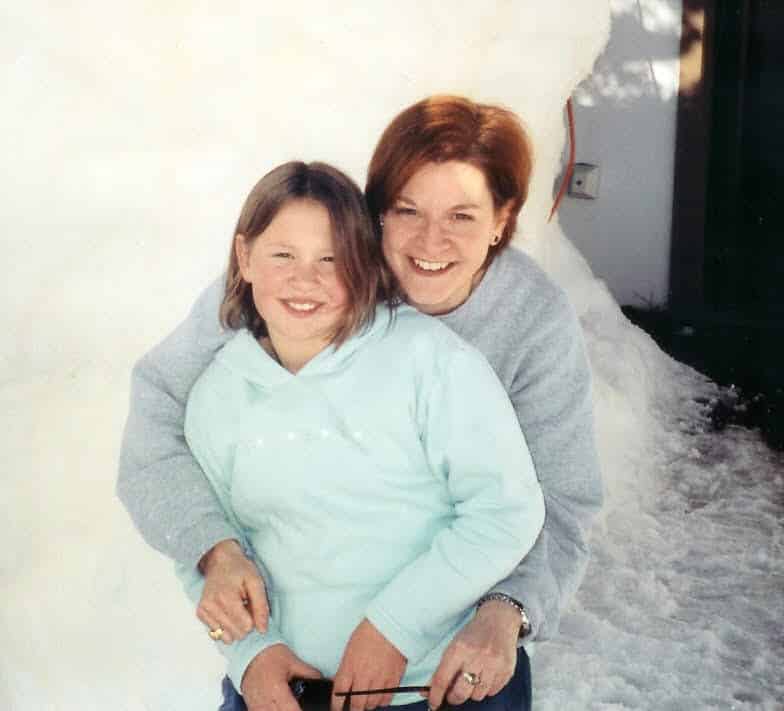
As Buckingham reflects on her journey, she emphasizes the necessity of persistence and community support. Her message to families currently navigating a new diagnosis is grounded in the reality of the work involved: "prioritize your child, lean on your community, and never underestimate the impact of hard work."
This philosophy has prompted the organization to launch the 2025 Alumni Family Giving Campaign. The initiative is designed to mobilize former students and their families to reinvest in the infrastructure that made their own success possible. In the current economic climate, where non-profit organizations face rising costs for medical equipment, audiological services, and specialized staffing, the role of alumni donors has become increasingly critical.
The funds generated by this campaign are earmarked for core services, including:
- Early Intervention Services: Direct classroom and therapeutic support for infants and toddlers.
- Audiology and Technology Access: Ensuring that the latest in hearing technology is accessible regardless of insurance coverage gaps.
- Parent Education: Expanding the network of support groups and resource libraries available to families in the initial stages of the diagnosis process.
Conclusion: Redefining Possibility
The case of Jordan Buckingham provides a clear longitudinal perspective on the progress of pediatric audiology and education. From the first clinical trials at Seattle Children’s Hospital to the professional equestrian arenas of Idaho, her life trajectory validates the core vision of Listen and Talk: that hearing loss need not be a limiting factor.
As the organization looks toward the future, the integration of technology, family-centric support, and community involvement remains the gold standard for success. The success of the Alumni Family Giving Campaign will ultimately determine the program’s ability to maintain these high standards for the next generation. For the families currently sitting in the waiting rooms of hospitals or in the early sessions of speech therapy, Buckingham’s story offers something more than just hope—it offers a blueprint for what is possible when early intervention meets individual determination. The work continues, not just in the clinic, but in the success of the alumni who have integrated their experiences into the fabric of the broader community.