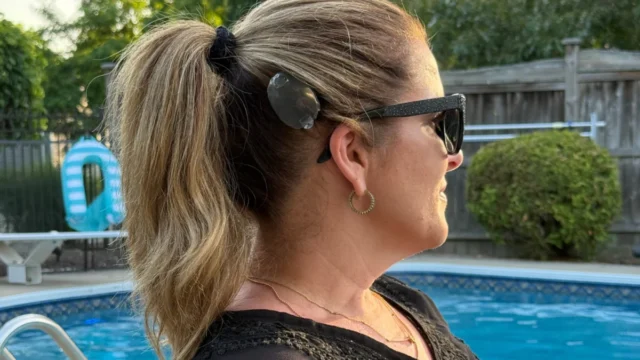

The Dual Nature of Mixed Hearing Loss
Mixed hearing loss, also referred to as mixed conductive and sensorineural hearing loss, represents a confluence of issues within the auditory system. The conductive component impedes the efficient transmission of sound waves from the outer ear to the inner ear, often due to problems in the ear canal, eardrum, or middle ear bones. Concurrently, the sensorineural component compromises the inner ear’s ability to process sound signals or the auditory nerve’s capacity to transmit these signals to the brain.
Typically, the sensorineural aspect of mixed hearing loss is permanent, stemming from damage to the delicate hair cells in the cochlea or the auditory nerve itself. In contrast, the conductive element may be temporary or treatable, depending on its underlying cause. This distinction is critical for developing a targeted treatment plan.
To illustrate the differences, consider the following comparison:

| Type of Hearing Loss | Area of Impairment | Sound Transmission Effect | Common Etiologies | Treatability |
|---|---|---|---|---|
| Conductive Hearing Loss | Outer or middle ear | Sound waves struggle to reach the inner ear. | Ear infections, middle ear fluid, excessive earwax, eardrum perforation. | Often responsive to medical intervention or surgery. |
| Sensorineural Hearing Loss | Inner ear or auditory nerve | Sound reaches the inner ear but is not processed accurately. | Age-related changes, prolonged noise exposure, ototoxic medications, genetic factors. | Generally permanent; managed with assistive listening devices. |
| Mixed Hearing Loss | Outer/middle ear AND inner ear/auditory nerve | Sound is both attenuated (quieter) and distorted/unclear. | A combination of conductive and sensorineural causes. | Conductive component may be treatable; sensorineural component managed with devices. |
Identifying the Signs: Symptoms and Everyday Impact
The symptoms of mixed hearing loss can manifest with varying degrees of severity, often leading to a reduced perception of loudness and a significant decline in sound clarity. Individuals may experience a persistent feeling that sounds are muffled or distant. Specific common symptoms include:
- Difficulty understanding speech, especially in noisy environments: The combined effects of reduced volume and distorted sound make it challenging to discern conversations amidst background noise.
- Needing to turn up the volume on televisions or radios: This is a direct consequence of the reduced ability to perceive sounds at normal listening levels.
- Frequently asking people to repeat themselves: This is a common coping mechanism for individuals struggling to comprehend spoken language.
- Experiencing tinnitus (ringing or buzzing in the ears): Tinnitus can be a co-occurring symptom of both conductive and sensorineural hearing loss.
- A sensation of fullness or pressure in the ear: This can be indicative of a conductive issue, such as fluid buildup or an infection.
The impact of these symptoms extends beyond mere auditory inconvenience, affecting an individual’s emotional and social well-being. The constant effort required to hear and understand can lead to:
- Social withdrawal and isolation: As communication becomes more taxing, individuals may opt out of social gatherings, leading to feelings of loneliness.
- Reduced confidence and self-esteem: The inability to participate fully in conversations can erode confidence.
- Increased frustration and irritability: The persistent struggle to communicate can be emotionally draining.
- Fatigue: The cognitive load of trying to process degraded auditory information can be exhausting.
- Avoidance of challenging listening situations: This can limit professional opportunities and personal enjoyment.
Recognizing these signs is crucial, as they serve as strong indicators for seeking professional audiological evaluation.
Unraveling the Causes: Risk Factors and Contributing Factors
Mixed hearing loss typically arises from a confluence of factors affecting different parts of the auditory pathway. It is often not attributable to a single event but rather an accumulation of issues over time. Understanding these contributing factors is essential for diagnosis and management.
Common causes for the conductive component include:

- Chronic middle ear infections (otitis media): Repeated infections can lead to scarring, fluid buildup, and damage to the ossicles (small bones in the middle ear).
- Otosclerosis: A condition where abnormal bone growth in the middle ear affects the stapes, hindering its vibration.
- Perforated eardrum: A hole in the eardrum, often caused by trauma or infection, can impede sound transmission.
- Earwax impaction: A significant blockage of earwax can physically obstruct the ear canal.
- Cholesteatoma: A non-cancerous skin growth in the middle ear that can damage ossicles and surrounding structures.
Common causes for the sensorineural component include:
- Age-related hearing loss (presbycusis): The natural deterioration of the cochlea and auditory nerve with age.
- Noise-induced hearing loss: Prolonged exposure to loud noises can damage the delicate hair cells in the inner ear.
- Ototoxic medications: Certain drugs, such as some antibiotics and chemotherapy agents, can have a damaging effect on hearing.
- Genetic predisposition: Inherited factors can influence an individual’s susceptibility to hearing loss.
- Meniere’s disease: A disorder of the inner ear that can cause fluctuating hearing loss, vertigo, and tinnitus.
- Acoustic neuroma: A benign tumor on the auditory nerve that can affect hearing and balance.
For many individuals, mixed hearing loss develops gradually, with one component exacerbating the other. A thorough medical history and physical examination are vital for identifying the specific causes contributing to an individual’s condition.
The Diagnostic Pathway: Pinpointing Mixed Hearing Loss
Accurately diagnosing mixed hearing loss requires a comprehensive evaluation by a qualified audiologist, often in collaboration with an Ear, Nose, and Throat (ENT) specialist. This multi-step process aims to precisely identify the type and severity of hearing loss.
A typical diagnostic evaluation involves:
- Case History: A detailed discussion about the onset, progression, and nature of the hearing difficulties, as well as medical history, family history, and exposure to noise or ototoxic substances.
- Otoscopy: Visual examination of the ear canal and eardrum to identify any visible obstructions, infections, or abnormalities.
- Pure-Tone Audiometry: This is a cornerstone of hearing assessment. It involves presenting pure tones at different frequencies and intensities to determine the softest sound a person can hear at each frequency. This is conducted both through air conduction (using headphones) and bone conduction (using a vibrator placed on the mastoid bone behind the ear).
- Speech Audiometry: This assesses how well an individual can hear and understand speech at different volume levels, including speech recognition thresholds and word recognition scores.
- Tympanometry: This non-invasive test measures the function of the middle ear and eardrum, helping to identify issues like fluid buildup or eardrum mobility problems.
- Acoustic Reflex Testing: This assesses the function of the middle ear muscles and the auditory nerve pathways.
The results of these tests are compiled into an audiogram, a graphical representation of a person’s hearing ability. The audiogram is instrumental in distinguishing between conductive, sensorineural, and mixed hearing loss.
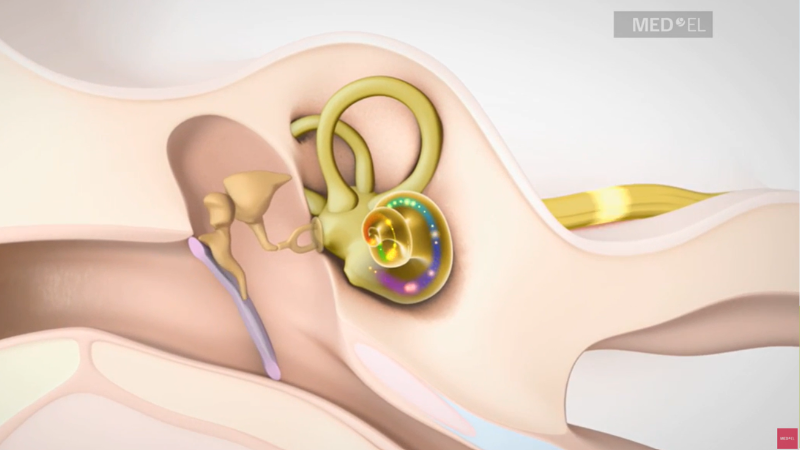
A key indicator of mixed hearing loss on an audiogram is the air-bone gap. This refers to a significant difference between the hearing thresholds measured via air conduction and bone conduction. When bone conduction results are notably better than air conduction results, it strongly suggests a conductive impediment in the outer or middle ear, while the bone conduction thresholds themselves indicate the level of sensorineural hearing loss.
Hearing loss is also categorized by its severity, ranging from mild to profound, based on the air conduction thresholds. This detailed audiometric profile guides the selection of appropriate treatment strategies.
Navigating Treatment Options: From Conventional to Cutting-Edge
The management of mixed hearing loss is a personalized process that addresses both the conductive and sensorineural components. The goal is to optimize hearing, improve communication, and enhance the overall quality of life.
Addressing the Conductive Component:
When the conductive element is treatable, medical or surgical interventions are prioritized. These may include:
- Medications: Antibiotics or anti-inflammatory drugs may be prescribed to treat ear infections or reduce inflammation.
- Earwax removal: Professional removal of impacted earwax can restore normal sound conduction.
- Surgery: Procedures such as tympanoplasty (eardrum repair), ossiculoplasty (reconstruction of middle ear bones), or stapedectomy (for otosclerosis) can correct certain conductive impairments. The success of surgical intervention depends on the specific cause and extent of the damage.
If the conductive component cannot be corrected through medical or surgical means, the focus shifts to amplification strategies.
Managing the Sensorineural Component and Overall Hearing:
-
Hearing Aids: For individuals with dry ear conditions and a manageable conductive component, hearing aids are often the first line of treatment. These devices amplify sound, making it louder and easier to perceive. However, their effectiveness can be limited when the conductive component is substantial, uncorrectable, or when there are significant alterations to the ear’s anatomy post-surgery. High-frequency bone conduction thresholds that are excessively poor can also restrict the benefits of traditional hearing aids.
-
Bone Conduction and Middle Ear Implants: When traditional hearing aids prove insufficient or when anatomical issues in the ear canal or middle ear preclude their use, implantable solutions become a viable option. These devices transmit sound vibrations directly to the inner ear, bypassing the problematic outer or middle ear structures.
- Bone Conduction Implants: These systems utilize a surgically implanted abutment or a percutaneous connector that attaches to an external sound processor. The processor captures sound, converts it into vibrations, and transmits these vibrations through the skull to the cochlea. This technology is particularly beneficial for individuals with conductive or mixed hearing loss where the inner ear is functional.
- Middle Ear Implants: These devices are surgically placed within the middle ear and can actively amplify or directly vibrate the ossicular chain or the round window membrane, thereby bypassing external obstructions or middle ear pathologies. They are designed for individuals with moderate to severe sensorineural hearing loss, or mixed hearing loss where the conductive component is significant.
-
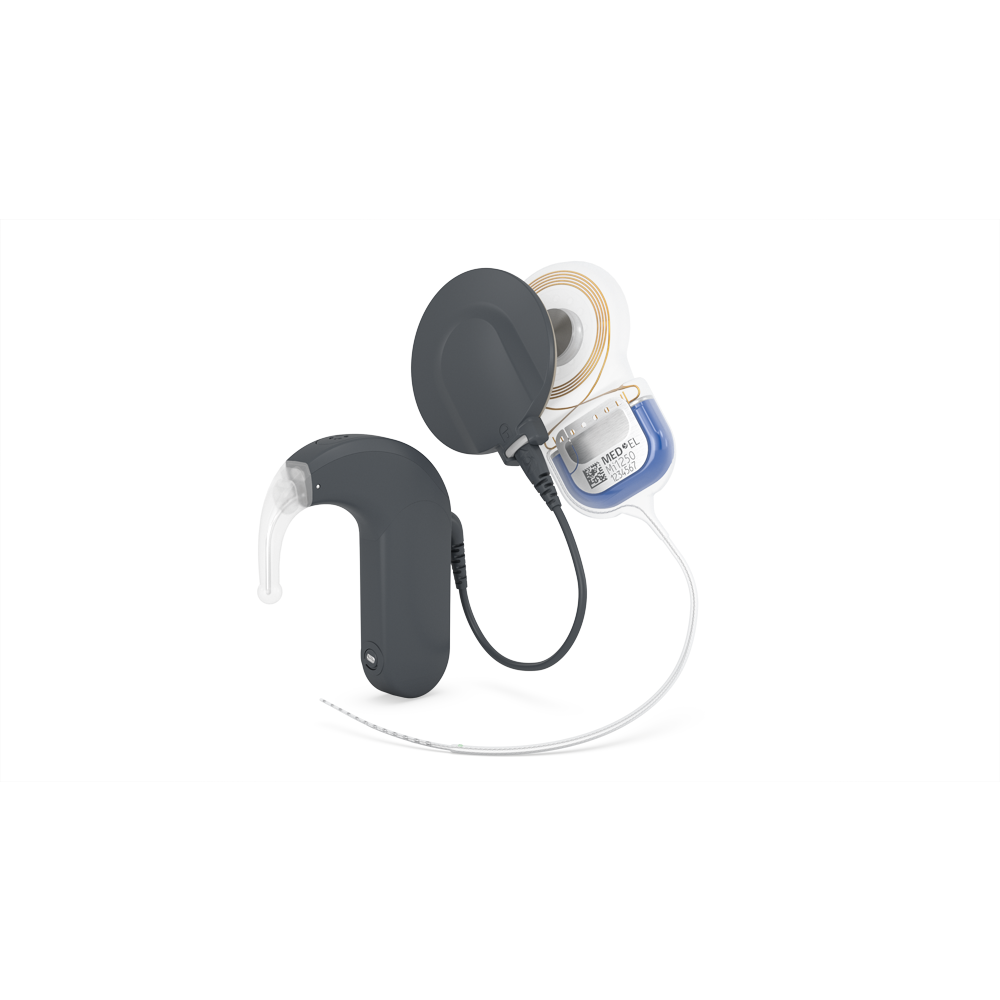
Cochlear Implants: For individuals with severe to profound sensorineural hearing loss, where hearing aids no longer provide adequate benefit, cochlear implants offer a revolutionary solution. Unlike hearing aids that amplify sound, cochlear implants bypass the damaged parts of the inner ear and directly stimulate the auditory nerve, providing a sense of sound. Candidacy for cochlear implantation is determined by the severity of the sensorineural hearing loss and the limited benefit derived from hearing aids. A comprehensive evaluation by a hearing implant team, including audiologists and surgeons, is essential to determine suitability.
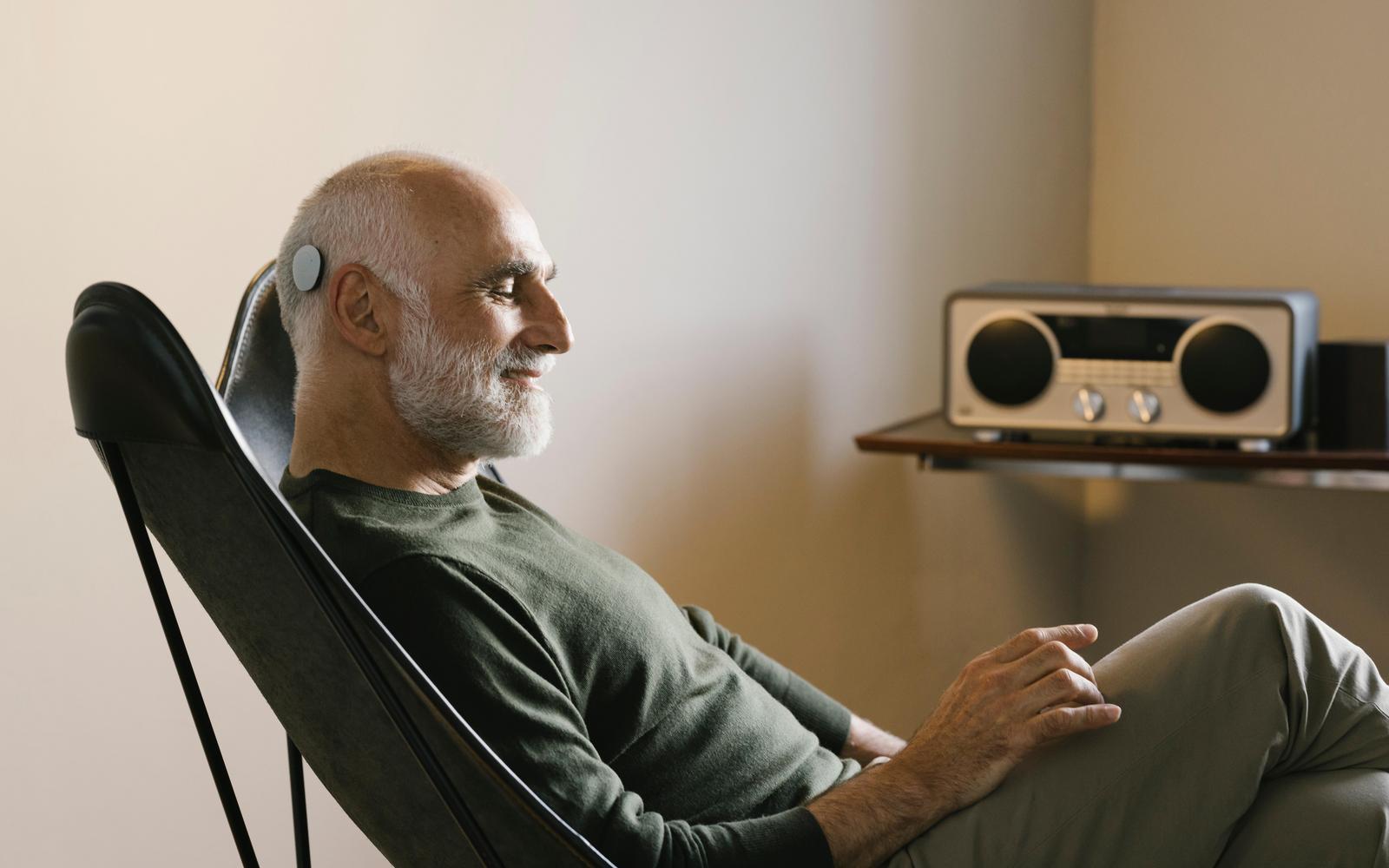
The selection of the most appropriate treatment is based on a thorough assessment of the individual’s hearing profile, overall health, lifestyle, and personal preferences.
The Progression and Fluctuation of Mixed Hearing Loss
The question of whether mixed hearing loss is permanent is nuanced. The sensorineural component is typically irreversible, as it involves damage to nerve fibers or sensory cells that do not regenerate. This component can also progress over time due to aging or underlying medical conditions.
Conversely, the conductive component can sometimes be reversed. Temporary conditions like middle ear fluid (otitis media with effusion) or earwax blockage can resolve with treatment, leading to an improvement in hearing. However, chronic conditions or significant structural damage may render the conductive aspect uncorrectable.
It is also important to note that mixed hearing loss can fluctuate. Conductive issues, such as middle ear infections or fluid accumulation, can cause temporary changes in hearing ability, leading to periods where hearing seems better or worse. Even with a permanent sensorineural component, the overall hearing experience can vary due to these fluctuating conductive factors.
Embracing Life with Mixed Hearing Loss: Next Steps and Support
Living with mixed hearing loss presents challenges, but with the right support and timely intervention, individuals can lead active, connected, and fulfilling lives.

If you suspect you or a loved one is experiencing signs of mixed hearing loss, the most critical first step is to schedule an appointment with an audiologist or an ENT doctor. Early detection and diagnosis are paramount for effective management.
Before your appointment, consider preparing by:
- Listing your symptoms: Note down when you first noticed the hearing difficulties, how they have progressed, and specific situations where hearing is most challenging.
- Reviewing your medical history: Be ready to discuss any existing medical conditions, past ear surgeries, or medications you are taking.
- Identifying potential triggers: Think about any known causes, such as prolonged noise exposure or family history of hearing loss.
- Preparing questions: Jot down any concerns or queries you have about hearing loss and its treatment.
Ongoing support is also vital. Engaging with rehabilitation programs, attending follow-up appointments with your healthcare provider, and connecting with others who have similar experiences through support groups can provide invaluable emotional and practical assistance. Exploring real-life stories of individuals who have successfully managed hearing loss and utilized hearing implant technologies can offer hope and inspiration.
Ultimately, booking a hearing test is a straightforward yet profoundly impactful first step toward achieving clearer communication and a significantly improved quality of life.
Seeking Further Assistance
For individuals with questions about the causes of hearing loss or available treatment options, the MED-EL team offers comprehensive resources and support. Their commitment to patient-centered innovation ensures access to the latest information and guidance on hearing healthcare solutions.

- Get In Touch: Direct inquiries and consultations can be initiated through the MED-EL contact channels.
MED-EL Medical Electronics. All rights reserved. The content provided on this website is intended for general informational purposes only and should not be construed as professional medical advice. Always consult with your physician or a qualified hearing specialist to determine the most suitable hearing solution for your individual needs. Please note that not all products, features, or indications are approved in all countries.