
A Complex Medical Foundation
Jack Krenn’s early medical history was marked by significant challenges. Shortly after his birth, he was diagnosed with a rare chromosomal variant known as EFTUD2, or mandibulofacial dysostosis with microcephaly (MFDM). This condition, which is often characterized by craniofacial abnormalities, is frequently associated with hearing loss—a reality that placed the Krenn family in an immediate, high-stakes medical environment.
In the weeks following his birth, the family was required to process complex diagnostic charts, understand the implications of various auditory technologies, and coordinate a sequence of medical interventions, including surgeries and ongoing audiological testing. The initial prognosis suggested a moderate to severe mixed hearing loss in both ears. However, through diligent longitudinal monitoring, further testing eventually clarified the diagnosis to a unilateral conductive hearing loss, requiring the consistent use of an over-the-ear hearing aid on his right side.
The Chronology of Early Intervention
The timeline of Jack’s development underscores the efficacy of early, consistent support.
- Birth to Month 1: Initial diagnosis of hearing loss and identification of the EFTUD2 chromosomal variant.
- Months 1 to 3: A period of intensive logistical coordination involving state social services, surgical consultations, and the selection of birth-to-three educational programs.
- Ages 1 to 3: Weekly sessions with a specialized speech-language pathologist (SLP) at Listen and Talk, focusing on auditory training, language development, and family education.
- Age 3 to Present: Enrollment in a blended preschool classroom, where Jack currently works to navigate both his hearing loss and a secondary diagnosis of childhood apraxia of speech.
The intervention process was anchored by his SLP, who provided not only clinical therapy but also consultative support for the family, including bridging the gap between clinical settings and the child’s social environments, such as playgroups and parental workplaces.

The Role of Specialized Educational Frameworks
The "Listen and Talk" model serves as a specialized educational enterprise designed to mitigate the developmental delays often associated with hearing loss. In the United States, early intervention services for infants and toddlers with disabilities are mandated under the Individuals with Disabilities Education Act (IDEA), Part C. These programs are designed to address physical, cognitive, communication, and social-emotional development.
For children like Jack, the transition into a blended classroom—a learning environment that integrates children with hearing loss alongside their typically hearing peers—is a pedagogical strategy intended to foster social integration and provide naturalistic language models. Data from the National Center for Hearing Assessment and Management (NCHAM) suggests that children who receive early identification and intervention before six months of age demonstrate significantly better language acquisition than those identified later. By providing an environment that prioritizes these needs, programs like Listen and Talk create a structured, evidence-based approach to long-term success.
Addressing Childhood Apraxia of Speech (CAS)
In addition to his hearing loss, Jack’s diagnosis of childhood apraxia of speech (CAS) adds a layer of complexity to his therapeutic needs. CAS is a motor speech disorder that makes it difficult for a child to produce sounds, syllables, and words. Unlike a language delay, where a child understands but struggles with the mechanics, CAS involves the brain struggling to coordinate the complex muscle movements required for speech.
The current therapeutic strategy for Jack involves motor planning exercises, which require intensive practice to establish the neural pathways necessary for clear communication. The integration of speech therapy within the classroom setting allows for a holistic approach, where the student receives support for auditory processing and speech production simultaneously.
Broader Implications and Socio-Economic Impact
The narrative of the Krenn family reflects a broader national conversation regarding the necessity of funding for specialized educational services. According to the American Speech-Language-Hearing Association (ASHA), the economic impact of untreated hearing loss can be substantial, leading to long-term educational and occupational disparities. Conversely, investments in early intervention are widely considered by health economists to be high-yield, as they reduce the long-term reliance on more expensive special education services during the K-12 years.
Listen and Talk, as a social impact enterprise, relies on a mix of private donations and institutional funding to maintain its high-quality, resource-intensive model. The Alumni Family Giving Campaign, which supports this work, ensures that the financial barriers to entry are minimized for families facing similar crises. By supporting parent education classes and advanced audiological testing, these programs create a support network that extends beyond the classroom, empowering parents to become effective advocates for their children’s educational and medical rights.

Expert Perspective and Future Outlook
Clinical experts note that the "Listen and Talk" philosophy—centered on the idea that "no child is limited by hearing loss"—is representative of a paradigm shift in pediatric audiology. The transition from the initial, often overwhelming, diagnosis to a state of confident management is a critical developmental milestone for the family unit.
"The success of a child with hearing loss is rarely the result of a single intervention," noted a representative familiar with the program’s methodology. "It is the result of a coordinated effort between the audiologist, the speech-language pathologist, the educator, and, most importantly, the family. When these stakeholders are aligned, the child is empowered to overcome the inherent challenges of their condition."
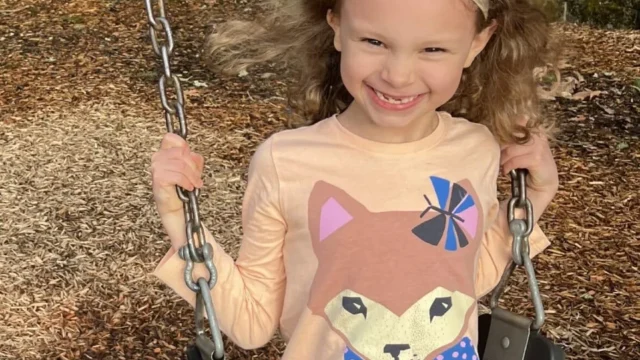
As Jack continues his education, his progress remains a testament to the importance of early intervention. His transition from the initial fear-based response—characterized by the desire for "discreet" hearing technology—to an embrace of his identity, represented by his adoption of vibrant, visible hearing technology, mirrors his personal growth. He has moved from a child defined by a medical diagnosis to a child defined by his curiosity, his love for the natural world, and his persistence in developing his speech.
Conclusion: Sustaining the Support Network
The sustainability of programs like Listen and Talk remains a vital public interest concern. As the prevalence of identified hearing loss in children continues to be monitored by the Centers for Disease Control and Prevention (CDC), the need for specialized early childhood centers remains constant.
For the families currently navigating the early stages of a diagnosis, the availability of these resources provides a roadmap through the "overwhelming" data they are often handed at birth. The continued support of such initiatives is not merely a matter of philanthropic generosity; it is a structural necessity for ensuring that children with hearing loss and secondary conditions like CAS have the same opportunities for academic and social success as their peers.
As Jack Krenn progresses through his preschool years, his story serves as a data point in a larger, ongoing effort to ensure that early intervention remains accessible, evidence-based, and child-centered. Through the collaboration of parents, therapists, and donors, the landscape of pediatric hearing care continues to evolve, ensuring that for the next generation, a diagnosis of hearing loss is a starting point for specialized support rather than a limitation.