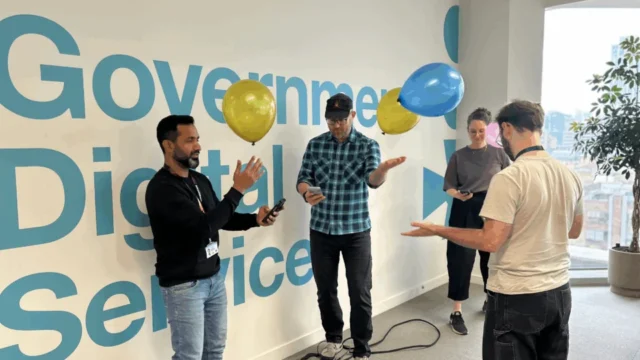
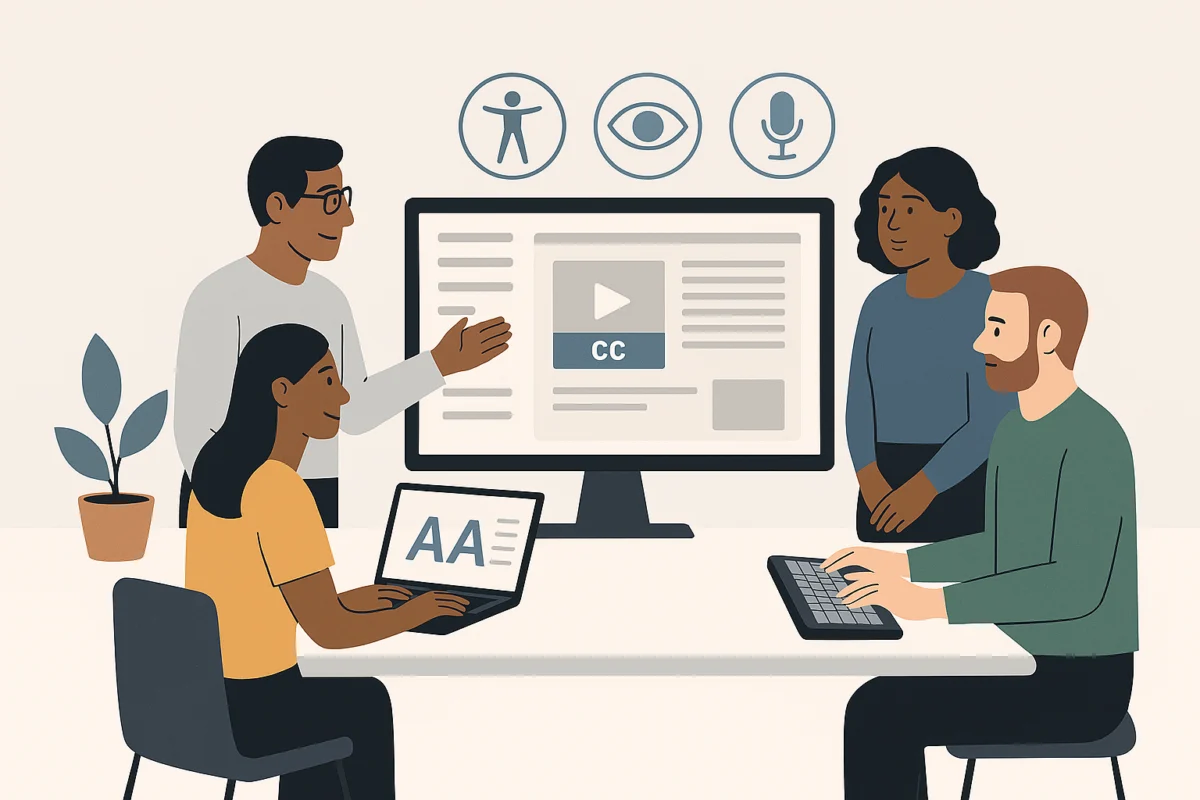
The 2026 theme, which mirrors the global focus of GAAD, centers on the holistic lifecycle of digital products: designing, developing, and delivering accessible services. This approach marks a shift from viewing accessibility as a final "check-box" exercise to integrating it as a foundational principle of the Government Digital Service (GDS) and wider public sector operations. As digital transformation continues to reshape how citizens interact with the state—from tax filings and benefit applications to environmental monitoring and educational resources—the necessity for robust accessibility standards has never been more acute.
Historical Context and Regulatory Framework
The emergence of Digital Accessibility Week as a cornerstone of the public sector calendar is rooted in both legal necessity and social responsibility. The United Kingdom has long been a leader in this space, notably through the Public Sector Bodies (Websites and Mobile Applications) (No. 2) Accessibility Regulations 2018. These regulations require public sector websites and apps to be perceivable, operable, understandable, and robust, adhering to the Web Content Accessibility Guidelines (WCAG).
Since the inception of these regulations, the UK government has moved beyond mere compliance. The 2026 event represents the evolution of this movement, transitioning from a focus on avoiding legal pitfalls to a focus on "inclusive innovation." Historical data from the Government Digital Service indicates that while compliance rates have risen steadily since 2018, there remains a persistent "skills gap" in technical implementation and user research. Digital Accessibility Week 2026 is specifically designed to bridge this gap by providing practical, hands-on training for civil servants at all levels of seniority.
A Detailed Chronology of the 2026 Program
The event is structured to provide a logical progression from foundational concepts to specialized technical applications. Each day features sessions hosted by different departments, showcasing the collaborative nature of the UK’s digital strategy.
Monday, 18 May: Foundations and Future Standards
The week begins with a non-technical "Introduction to Accessibility" hosted by the Home Office. This session serves as a primer for those new to the field, emphasizing the human impact of digital barriers. Following this, the Department for Work and Pensions (DWP) provides a technical overview of assistive software, including screen readers, magnification tools, and speech-to-text engines. Understanding these tools is critical for developers who must ensure their code interacts correctly with the technology used by disabled citizens.
A highlight of the opening day is the session on WCAG 3.0, led by the Government Digital Service. As the industry anticipates the transition from WCAG 2.2 to the "Silver" standard (WCAG 3), this session provides essential intelligence on how the new, more flexible scoring system will impact government audits and service assessments.
Tuesday, 19 May: Inclusive Design and User Experience
The second day shifts focus toward the "design" aspect of the theme. His Majesty’s Revenue and Customs (HMRC) leads several sessions, including a deep dive into designing for neurodiversity. Research indicates that approximately 15% to 20% of the UK population is neurodivergent; the HMRC session explores how cognitive accessibility—such as reducing visual clutter and using clear language—benefits not just autistic users but the entire population.
The Ministry of Justice (MoJ) expands the conversation by discussing accessibility as a driver of innovation. By designing for the "edge cases" of human ability, developers often create more resilient and user-friendly products for the mainstream. The day concludes with a beginner-friendly session on accessibility testing by the Student Loans Company (SLC), demonstrating how automated tools like WAVE can identify low-hanging fruit in digital barriers.
Wednesday, 20 May: Practical Application and Specialized Fields
Wednesday explores the intersection of accessibility and specific digital niches. A notable collaboration between HMRC and Lloyds Bank discusses the "empowerment" aspect of accessible banking, highlighting how private sector innovations can inform public sector service delivery.
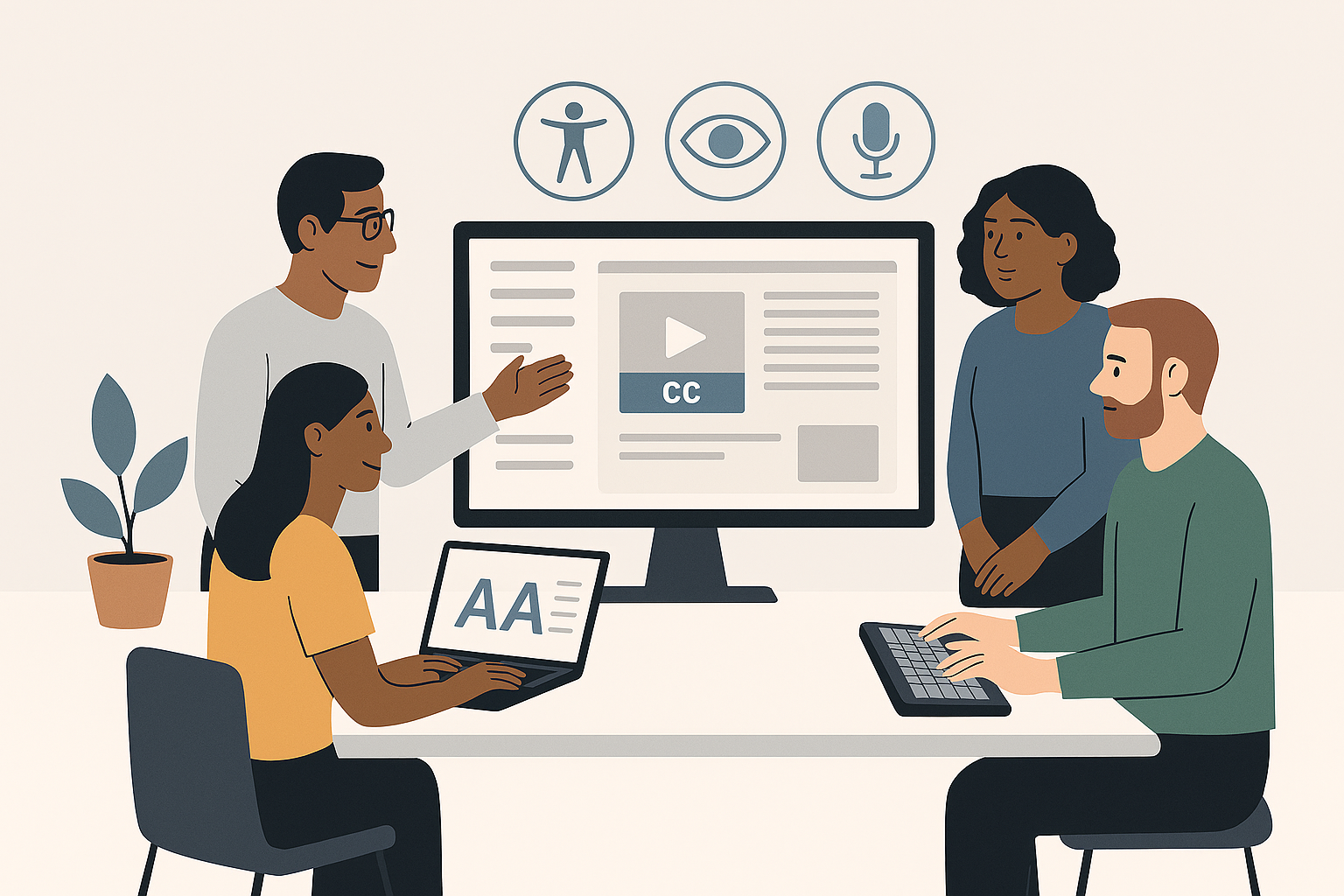
In a departure from traditional government services, the Department for Environment, Food & Rural Affairs (Defra) presents a session on gaming accessibility. While gaming might seem peripheral to government work, the techniques used to make complex interactive environments accessible—such as "fighting blindfolded"—offer valuable lessons for the navigation of complex data dashboards and interactive maps used in public services.
Thursday, 21 May: Compliance, Regulation, and Professionalism
The final day, coinciding with Global Accessibility Awareness Day, focuses on the structural and professional frameworks of the industry. The Department for Education (DfE) and the Student Loans Company provide an inside look at the "Accessibility Assessor" role, explaining the criteria used during formal service assessments.
The week concludes with a session on the professionalization of the field: "The One Where I Become an Accessibility Specialist." This highlights the launch of Digital Accessibility Specialist apprenticeships within the civil service, signaling a long-term commitment to building internal expertise rather than relying solely on external consultants.
Supporting Data and the Digital Divide
The urgency of Digital Accessibility Week 2026 is supported by stark data regarding the "digital divide" in the UK. According to the Office for National Statistics (ONS), disabled adults are statistically less likely to have used the internet recently compared to non-disabled adults. Furthermore, the "WebAIM Million" report—an annual accessibility audit of the top one million websites—consistently finds that over 95% of homepages have detectable WCAG 2 failures.
In the UK public sector, the stakes are higher because government services are often mandatory. A citizen cannot "choose" an alternative provider for the DVLA or the NHS. Data from the 2025 Cabinet Office Digital Inclusion report suggested that inaccessible digital forms cost the taxpayer millions annually in "failure demand"—the cost of citizens having to call helplines or visit physical offices because they could not complete a task online. By improving digital accessibility, the government estimates a significant reduction in these administrative overheads.
Institutional Responses and Broader Implications
The scale of the 2026 event has drawn positive responses from digital advocacy groups and accessibility experts. While official ministerial statements remain focused on the "Digital Center of Government" strategy, senior leaders in the DWP and GDS have signaled that accessibility is now a core metric for departmental performance.
"The goal is no longer just to avoid a lawsuit," noted one senior digital lead during a preliminary planning meeting. "The goal is to ensure that the digital state is an inclusive state. If a service doesn’t work for a blind user or a user with a motor impairment, it simply doesn’t work."
The broader implications of Digital Accessibility Week extend beyond the civil service. As the UK’s largest employer, the government’s insistence on high accessibility standards influences the entire tech ecosystem. Software vendors and digital agencies seeking government contracts must prove their accessibility credentials, thereby driving up standards across the private sector.
Conclusion: Toward a More Accessible 2026 and Beyond
Digital Accessibility Week 2026 serves as both a training ground and a statement of intent. By opening these sessions to anyone working in the UK public sector—from content designers and developers to policy officials and project managers—the government is attempting to democratize the responsibility of inclusion.
As the event concludes on 21 May, the focus will shift from learning to implementation. The practical skills gained in sessions regarding HTML markup, keyboard navigation, and inclusive user research are expected to be applied immediately to the next generation of government digital services. In an era where digital access is increasingly synonymous with social and economic participation, the initiatives showcased during this week are not merely technical improvements; they are essential components of a modern, equitable democracy.