Angelman syndrome (AS) is a complex genetic disorder primarily caused by the loss of function of the UBE3A gene in the maternal copy of chromosome 15. The condition is characterized by significant developmental delays, intellectual disability, severe speech impairment, and frequent laughter or excitable demeanor. While the clinical profile is well-documented, the psychosocial implications—specifically the barriers to communication—remain a primary focus for therapeutic interventions.
Clinical Context and the Role of Communication
Medical literature identifies communication impairment as one of the most pervasive challenges for individuals with AS. While many individuals with the syndrome may never develop functional speech, research consistently demonstrates that they possess a high level of receptive language capability and a strong desire to engage with their surroundings.
The integration of AAC, which encompasses gestures, sign language, picture boards, and speech-generating devices, has transformed the landscape of intervention. AAC acts as a vital conduit for personal expression, allowing individuals to transcend the physical limitations of their vocal cords. However, the efficacy of these tools is strictly dependent on the environment. "Communication is not merely an act of speaking; it is a fundamental human right," notes Claudia Marimón, a leading advocate in the Latin American AAC landscape. According to recent clinical perspectives, the "communication partner"—the parent, therapist, or teacher—is the most influential factor in an individual’s success. When partners model language and provide consistent, respectful interpretation of non-verbal cues, they validate the individual’s perspective and facilitate cognitive and social development.
Historical Timeline of Angelman Awareness
The history of awareness regarding the syndrome has evolved significantly over the past six decades:
- 1965: British pediatrician Dr. Harry Angelman first describes three children with the condition, originally termed "Happy Puppet Syndrome," an outdated label now rejected by the community in favor of the more accurate and respectful "Angelman syndrome."
- 1980s: Advances in molecular biology allow researchers to link the syndrome to chromosome 15, moving the condition from a purely clinical description to a genetic diagnosis.
- 2010s: The formalization of International Angelman Day on February 15 marks a global shift toward patient-centered advocacy, focusing on quality of life and communication access rather than solely on medical management.
- 2026: The focus of the movement intensifies on global networking, evidenced by the upcoming 2nd Latin American Angelman Syndrome Congress, which signifies the growing infrastructure for support in the Spanish-speaking world.
Supporting Data and Demographic Impact
While global prevalence estimates vary, Angelman syndrome is generally cited as occurring in approximately 1 in 15,000 to 20,000 live births. Despite these relatively low numbers, the community is highly active in the digital and advocacy space. Data from organizations like the Angelman Syndrome Foundation and the Foundation for Angelman Syndrome Therapeutics (FAST) suggest that the early implementation of AAC—often before the age of three—significantly reduces the behavioral frustration associated with the inability to communicate needs.
Furthermore, studies indicate that individuals with AS who utilize robust AAC systems demonstrate improved social integration, lower rates of anxiety, and higher levels of participation in inclusive educational settings. The impact of these interventions extends to the family unit, as caregivers who receive training in AAC strategies report higher levels of self-efficacy and lower levels of stress.
The 2nd Latin American Angelman Syndrome Congress
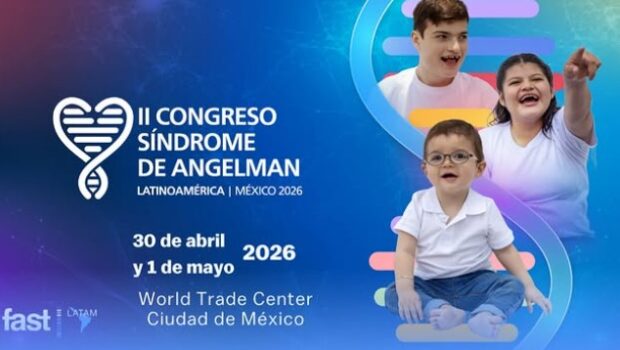
The momentum for 2026 is centered on the 2nd Latin American Angelman Syndrome Congress, scheduled for April 30 and May 1 in Mexico City. This event is not merely a conference but a strategic hub for families, clinicians, and researchers to share data and refine best practices.
The congress serves as a crucial platform for addressing the "communication gap" in Latin America. Historically, access to high-tech AAC devices and trained speech-language pathologists has been inconsistent across the region. By gathering experts and families, the event aims to standardize care protocols, discuss emerging genetic therapies, and promote the "communication as a right" philosophy on a broader scale. Organizers have launched the official portal at congresoangelman.com, providing resources for attendees to facilitate cross-border collaboration.
Analytical Perspective: The Future of Inclusive Support
The broader implication of current trends in Angelman support is the transition from a medicalized model of care to a social-rights model. The consensus among researchers is that while genetic research (such as gene therapy trials) offers hope for the future, the immediate quality of life for individuals with AS is dictated by their current access to communication.
An analysis of current advocacy efforts reveals three key pillars that define modern best practices:
- Environmental Accessibility: Creating spaces (schools, public venues, and homes) that are "communication-rich," where AAC tools are always available and never withheld.
- Partner Training: Shifting the burden of communication from the child to the adult partner. If the partner is not skilled in interpreting and modeling, the tool becomes a decorative object rather than a functional voice.
- Community Networks: Leveraging events like the Mexico City Congress to build regional support groups that reduce the isolation often felt by families in remote areas.
Institutional Reactions and Community Sentiments
The move toward large-scale international congresses has been met with enthusiasm from the global medical community. Pediatric neurologists emphasize that the collaborative approach—bringing together the geneticists working on cures and the speech therapists working on daily communication—is the most effective way to address the multidimensional nature of the syndrome.
Families, however, remain the heart of this movement. For parents of children with Angelman syndrome, the diagnosis often marks the beginning of a complex, lifelong education process. The focus during this month is to validate their efforts. Every attempt at communication, whether through a high-tech tablet, a low-tech picture binder, or a subtle gesture, is considered a success. The overarching message from advocacy groups is clear: the goal is not to "fix" the individual, but to provide them with the tools and the society necessary to participate fully in human life.
Implications for Policy and Society
As the medical and educational sectors continue to evolve, the demand for policy changes regarding the coverage of AAC devices is growing. In many jurisdictions, these devices are still categorized as "optional" or "luxury" items rather than medically necessary communication aids. This systemic failure contributes to the marginalization of individuals with AS.
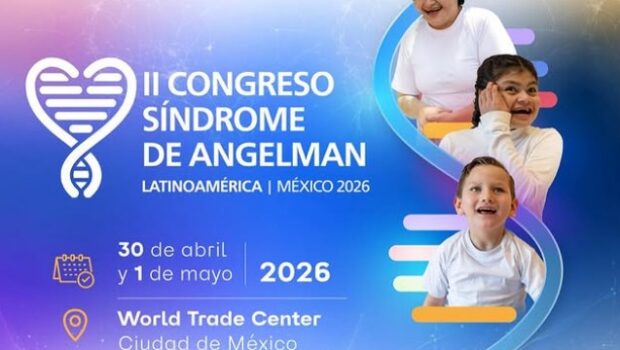
The upcoming congress in Mexico City is expected to produce a declaration of principles that could influence regional health policy. By documenting the success of AAC-integrated lives, participants aim to convince policymakers that investment in communication accessibility leads to long-term societal benefits, including reduced dependency on intensive social services and greater community participation for individuals with intellectual disabilities.
In summary, February is a time for reflection and renewed action. As the Angelman community prepares for the significant gathering in Mexico City, the message remains constant: the unique, expressive, and joyous nature of individuals with Angelman syndrome deserves a world that listens. Through technological advancement, specialized training, and a firm commitment to human rights, the path toward a more inclusive future is being paved, one symbol, gesture, and conversation at a time. The 2026 congress will stand as a testament to this global effort, highlighting that while the journey is complex, the power of connection remains the strongest tool for change.