A Foundation Built on Auditory-Verbal Therapy
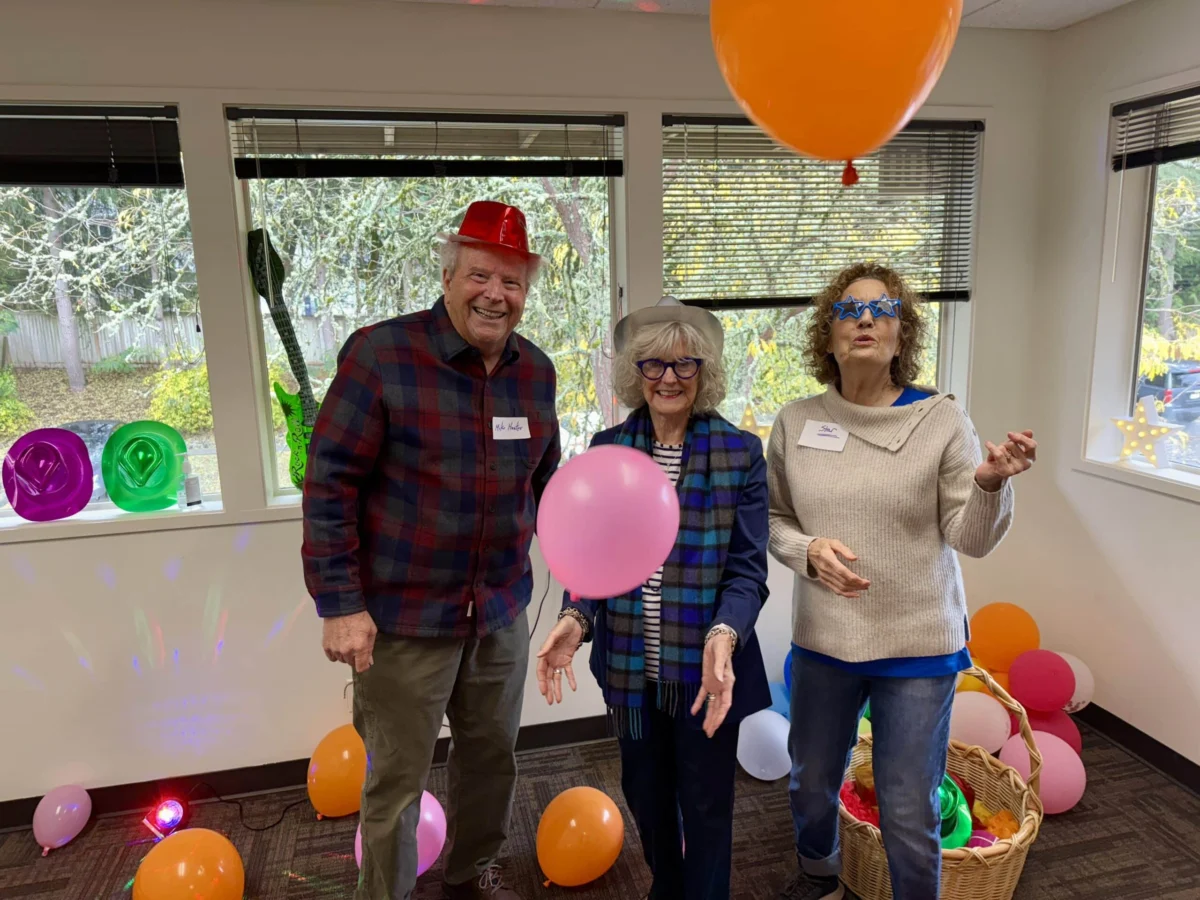
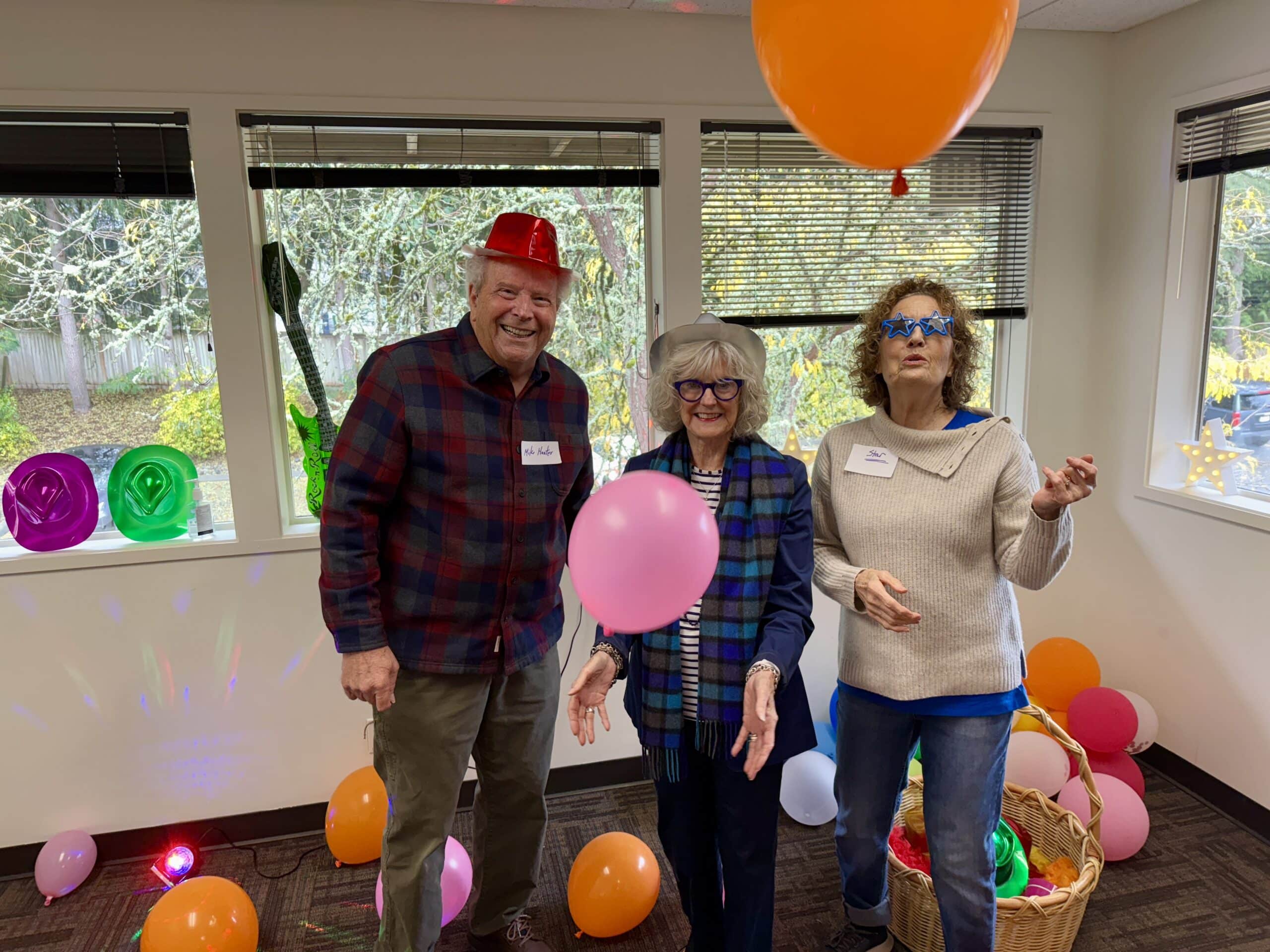
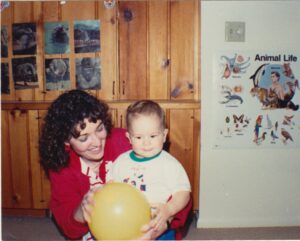
The genesis of Listen and Talk dates back nearly three decades, beginning in the residential basement of Star Leonard-Fleckman. At the time, Leonard-Fleckman, a dedicated teacher of the deaf and an auditory-verbal therapist, identified a critical gap in the educational landscape: the lack of accessible, specialized support that allowed children with hearing loss to thrive in mainstream hearing environments. Her approach prioritized the development of listening and spoken language, a pedagogical strategy that emphasizes the use of assistive technology—such as cochlear implants and hearing aids—combined with intensive speech-language therapy to foster cognitive independence and self-advocacy.
What began as a localized initiative has matured into a comprehensive educational ecosystem. Today, Listen and Talk serves over 200 families annually across Washington state, offering a hybrid model of in-person and virtual services. The organization’s curriculum has expanded significantly since its inception, now encompassing a Birth to Three early intervention program, a specialized Blended Classroom program, clinical audiology services, and community outreach. By coaching families to integrate therapeutic goals into the daily home environment, the organization ensures that children develop the capacity to think independently and communicate their thoughts without the necessity of an interpreter, thereby removing traditional barriers to social and academic integration.

The Inaugural Walk, Run, and Roll: A Community Milestone
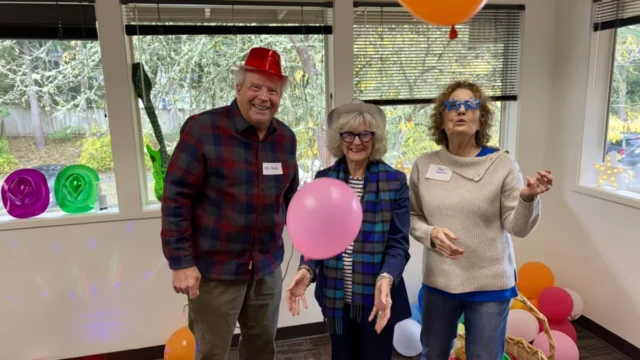
The Founder’s Day festivities were amplified by the success of the inaugural Walk, Run, and Roll fundraiser, an event designed to diversify the organization’s financial support base. The initiative saw participants of all ages—ranging from toddlers to centenarians—engage in regional events across Washington, including Edmonds, Woodinville, the Olympic Peninsula, and the Green Lake area.
The financial performance of the event exceeded initial projections. The campaign successfully raised over $10,000 through grassroots participation. This sum was further bolstered by a matching grant provided by Leonard-Fleckman, bringing the total funds raised to over $26,000. These resources are earmarked for the continuation of core programming, including individualized therapy, parent education, and the procurement of advanced diagnostic equipment. Executive Director Maura Berndsen noted that the community response was not merely a financial success, but a demonstration of the organization’s sustained influence on the families it has served since the late 1990s.
Chronology of Growth and Impact
The trajectory of Listen and Talk reflects broader shifts in how the medical and educational fields approach childhood hearing loss. In its early years, the organization focused on proving the efficacy of auditory-verbal therapy in a region where such specialized services were scarce. By the mid-2000s, the integration of digital health and improved diagnostic screening allowed for earlier intervention, prompting Listen and Talk to expand its Birth to Three program to capitalize on the neuroplasticity of infants.
In the last decade, the organization has pivoted toward a "language of the home" model, acknowledging the diverse cultural and linguistic backgrounds of the families it serves. Currently, the organization provides support to families who collectively speak more than 30 different languages. This inclusivity is central to its mission: ensuring that the clinical focus on English-based spoken language does not alienate the linguistic heritage of the families receiving care.
Expert Perspectives on Listening and Spoken Language (LSL)
The efficacy of the Listen and Talk model is rooted in the principles of LSL education. According to the Alexander Graham Bell Association for the Deaf and Hard of Hearing, LSL education is designed to provide children who are deaf or hard of hearing with the skills to communicate effectively. The "coaching" model employed by Listen and Talk therapists is distinct from traditional teacher-student dynamics; instead, it centers on the parent as the primary facilitator of the child’s language development.
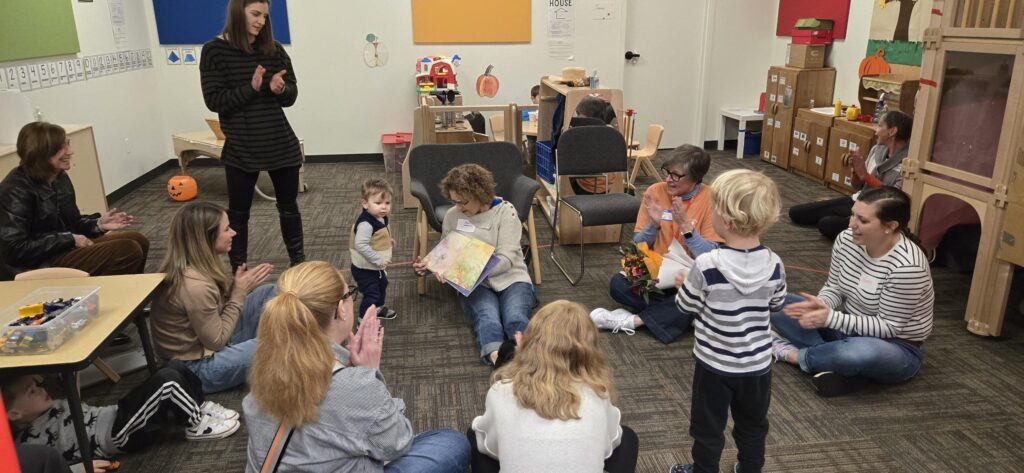
Data from the organization suggests that early intervention leads to significantly better long-term outcomes in academic settings. By the time students transition out of the Blended Classroom, the majority are equipped with the self-advocacy skills necessary to navigate traditional K-12 environments. The presence of alumni at the Founder’s Day event—some of whom are now parents themselves—served as anecdotal evidence of the long-term viability of this educational approach. These individuals represent the first generation of students who have navigated the hearing world with the tools provided by the organization, effectively closing the loop on the program’s 29-year history.

Broader Implications for Early Intervention
The success of the Founder’s Day celebration and the subsequent fundraiser signals a period of organizational stability and future-facing strategy for Listen and Talk. As the organization approaches its 30th anniversary, the focus remains on the scalability of its services. The shift toward virtual and hybrid service delivery during the early 2020s has allowed the organization to maintain a footprint that extends well beyond the Kirkland campus, ensuring that families in remote areas of Washington state receive the same caliber of care as those in the greater Seattle metropolitan area.
The financial sustainability of these programs remains a top priority. With the funds secured from the inaugural Walk, Run, and Roll, Listen and Talk is poised to continue investing in staff development and the integration of emerging technologies into their therapeutic sessions. The reliance on individual donations and community-based fundraising is a testament to the strong alumni network the organization has cultivated over the decades.
Future Outlook and Strategic Goals
Looking forward, Listen and Talk faces the challenge of adapting to a changing landscape of healthcare and education. Advances in genetic testing and early auditory screening mean that more children are being identified with hearing loss earlier than ever before. This places increased demand on the Birth to Three program, necessitating continued expansion of clinical resources.
The organization’s commitment to its founding vision—that no child should be limited by hearing loss—remains the primary driver of its strategic planning. By maintaining its focus on individualized therapy, the institution aims to continue its track record of empowering children to reach their full potential. As the organization prepares for its 30th-anniversary milestone, the recent Founder’s Day celebration stands as a moment of reflection, recognizing that the progress of the past three decades is only the prologue to the organization’s ongoing mission to bridge the gap between silence and spoken language for future generations.
For those interested in the future of Listen and Talk, the organization continues to accept donations through its website. These funds support the ongoing operation of the Birth to Three program, the Blended Classroom, and the comprehensive audiological services that provide the bedrock for the organization’s success. As the community looks toward the next chapter, the emphasis will continue to be on providing high-quality, evidence-based education that fosters independence, self-advocacy, and lifelong communication skills for children across Washington.