From Basement Beginnings to Regional Leadership
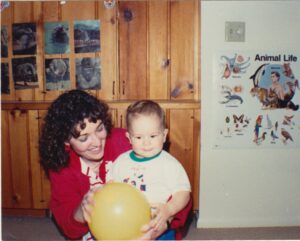
The story of Listen and Talk began nearly three decades ago, rooted in the home of Star Leonard-Fleckman. As a teacher of the deaf and a certified auditory-verbal therapist, Leonard-Fleckman recognized a critical gap in the support systems available to families navigating the challenges of pediatric hearing loss. At the time, the prevailing educational models for deaf and hard-of-hearing children were often limited in their scope regarding auditory integration.
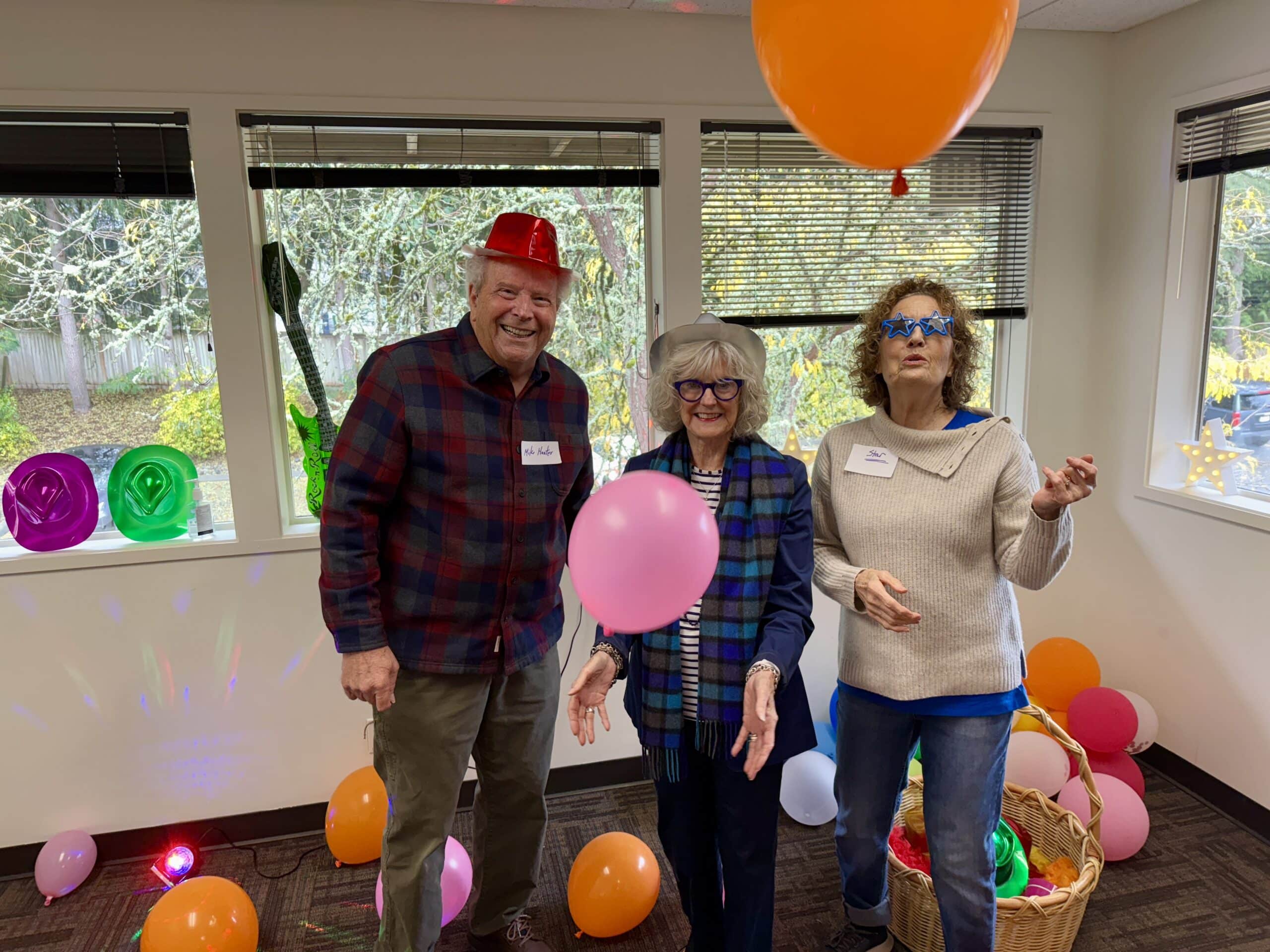
Leonard-Fleckman’s vision was to create an environment where children could develop the neurological pathways necessary to listen and speak, thereby enabling them to communicate in a hearing world without the necessity of an interpreter. What began as a localized, grassroots effort in a residential basement has since scaled into a comprehensive educational and clinical institution. Today, Listen and Talk serves over 200 families annually, bridging the gap between clinical diagnosis and mainstream educational integration. The organization has expanded its operational footprint to include virtual services, significantly broadening its reach across Washington state.
A Comprehensive Suite of Services
Over the past 29 years, the institution has diversified its offerings to address the multifaceted needs of children from birth through their formative school years. The current service model is structured around a continuum of care:
- Birth to Three Program: Early intervention is the cornerstone of auditory-verbal therapy. By focusing on the critical window of neuroplasticity, this program equips parents with the tools to facilitate language acquisition at home.
- Blended Classroom Program: This model integrates students with hearing loss into a setting that mirrors the linguistic complexity of a mainstream environment, fostering social development alongside speech proficiency.
- Audiology and Therapy Services: Beyond classroom instruction, the organization provides direct clinical support, ensuring that hearing technology is optimized and that children receive the individual speech therapy required to refine their communication skills.
- Outreach: Recognizing the need for systemic support, Listen and Talk extends its expertise to educators and community partners, ensuring that children can succeed in a variety of learning environments.
The pedagogical philosophy centers on self-advocacy. By empowering children to articulate their needs and reason independently, Listen and Talk aims to prepare students for a lifetime of participation in mainstream social and academic settings.

The Inaugural Walk, Run, and Roll Fundraiser
The recent Founder’s Day was punctuated by the success of the first-ever Walk, Run, and Roll fundraiser, an event designed to secure the financial future of these specialized programs. The fundraiser proved to be a significant success, demonstrating the depth of the organization’s community support.
Preliminary figures indicate that the event raised more than $10,000 through participant pledges and registrations. This total was further amplified by a matching gift from founder Star Leonard-Fleckman, effectively doubling the impact of individual contributions. Following the event, the organization reported that total funds raised have surpassed $26,000, with contributions continuing to arrive.
The event’s design—which included satellite walks in Edmonds, Woodinville, the Olympic Peninsula, and Green Lake—underscored the organization’s regional presence. With participants ranging in age from one to 100, the event acted as a multi-generational testament to the value of the mission. The funds are earmarked for direct operational costs, including the acquisition of cutting-edge technology, the provision of scholarships for therapy, and the continued professional development of the teaching staff.
The Human Element: Community and Continuity
A highlight of the anniversary celebration was the "Story Time with Star" session held in the Kirkland Discovery Room. This event offered a tangible look at the legacy of the program, as it featured current students sitting alongside alumni.
The presence of alumni students—some of whom have now returned as parents of the next generation of Listen and Talk students—serves as a primary indicator of the program’s long-term success. The ability of former students to return as active, communicating members of society is the ultimate validation of the auditory-verbal model. This longitudinal success is particularly vital given the linguistic diversity of the families served; the organization currently supports families speaking over 30 different languages, ensuring that the child’s native home language is preserved while they master the mechanics of listening and speaking.
Institutional Analysis: The Future of Auditory-Verbal Education
The success of Listen and Talk over the last 29 years reflects a broader shift in the field of deaf education. As hearing technology, such as cochlear implants and high-frequency hearing aids, has evolved, so too has the capacity for children with hearing loss to access sound. However, technology alone does not equate to language proficiency; it is the systematic, evidence-based therapy provided by organizations like Listen and Talk that allows the brain to interpret these inputs.
The current financial model, which relies on a combination of tuition, grants, and community fundraising, faces the ongoing challenge of maintaining high-quality, individualized therapy in an inflationary economic climate. By successfully launching an annual fundraiser like the Walk, Run, and Roll, Listen and Talk is diversifying its revenue stream to ensure that its services remain accessible to families regardless of their socio-economic status.
Looking Toward the Third Decade
As the organization moves into its 30th year, the focus remains on the core mission: "no child is limited by hearing loss." This vision is supported by the data of the last three decades, which shows that early intervention is the most effective predictor of positive outcomes.
Executive Director Maura Berndsen and the board of directors have indicated that the next phase of development will involve enhancing outreach efforts to reach families in rural or underserved areas of Washington. By leveraging the virtual infrastructure built during the pandemic, the organization is well-positioned to scale its impact without compromising the quality of the individual attention that has defined its reputation.

The Founder’s Day celebration was more than a commemorative event; it was a demonstration of the organization’s institutional stability. By honoring its origins while actively securing its financial future, Listen and Talk has solidified its role as a leader in the field of listening and spoken language. For the families, the staff, and the children who have passed through the program, the event was a confirmation that the mission started in a basement 29 years ago remains as relevant and essential as ever.
For those interested in supporting this mission, the organization continues to accept donations to fund its ongoing therapeutic and educational initiatives. As the organization prepares for its next cycle of programs, the emphasis remains on the simple, yet profound goal that every child, regardless of their hearing status, possesses the right to listen, the right to learn, and the right to communicate their own thoughts to the world.