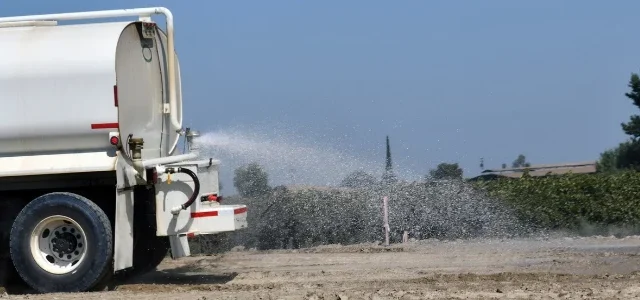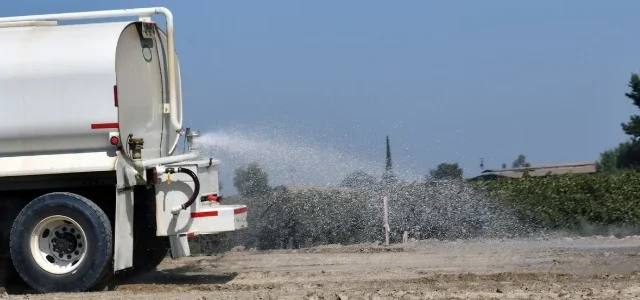

The current weather pattern is characterized by a high-pressure system that has trapped extreme heat across the state, resulting in a dangerous meteorological convergence. Forecasts from the National Weather Service (NWS) suggest that Southern California desert regions could see thermometer readings climb as high as 120 degrees Fahrenheit. Simultaneously, the stifling heat is not limited to arid inland areas; it is expanding into the Central Valley, the San Francisco Bay Area, and coastal communities that typically benefit from marine-layer cooling. This widespread thermal event has triggered a cascade of extreme heat warnings and advisories, creating a hazardous environment for those whose labor requires them to be exposed to the elements or work in poorly ventilated industrial settings.
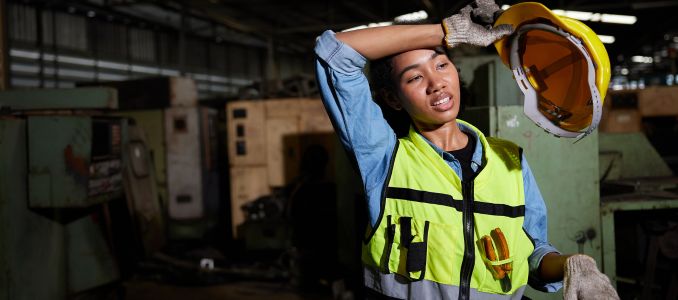
Regulatory Framework and Employer Obligations
The regulatory landscape in California regarding heat safety is among the most stringent in the United States. Under Cal/OSHA’s Title 8 standards, employers bear the legal burden of safeguarding personnel against heat-related illnesses, including heat cramps, heat exhaustion, and the potentially fatal heat stroke. These requirements are bifurcated into two distinct categories: general requirements that trigger at specific temperature thresholds and "high-heat" procedures for industries at elevated risk.
For outdoor worksites, the threshold for basic protections begins at 80 degrees Fahrenheit. Once the ambient temperature crosses this mark, employers must provide access to fresh, cool drinking water, ensuring that it is readily available at no cost to the employee. Furthermore, they are mandated to provide "cool-down" rest periods in shaded areas, allowing workers to lower their body temperature and recover from exertion.
The mandate extends to indoor environments as well, a critical detail often overlooked by those who associate heat stress solely with sun exposure. In facilities such as warehouses, manufacturing plants, and commercial kitchens, heat illness prevention protocols must be activated whenever the indoor temperature reaches 82 degrees Fahrenheit. This is particularly vital in structures with poor air circulation or machinery that generates significant thermal waste, creating a greenhouse effect that can prove just as dangerous as direct sunlight.

High-Risk Industries and Enhanced Compliance
While all employers are subject to baseline standards, specific industries that rely heavily on outdoor labor—such as agriculture, construction, landscaping, oil and gas extraction, and the transportation of heavy materials—must adhere to more rigorous "high-heat" protocols once temperatures hit 95 degrees Fahrenheit.
At this elevated threshold, the potential for rapid physiological collapse increases, necessitating a more proactive management approach. Employers in these sectors are required to implement a system of regular, direct communication to ensure the safety of employees. This includes frequent visual observation of workers to monitor for early signs of heat-related illness, such as dizziness, confusion, or excessive sweating. Furthermore, emergency communication protocols must be established and tested, ensuring that if a worker does fall ill, help can be dispatched immediately.
The cornerstone of the state’s strategy is the requirement for a written Heat Illness Prevention Plan. This document must be accessible at the worksite and clearly outline the specific measures the employer is taking to mitigate risk. Additionally, supervisors and employees alike must undergo comprehensive training. This training must cover the environmental and personal risk factors, the importance of frequent water consumption, the necessity of acclimatization for new workers, and the specific procedures for responding to a medical emergency.

Chronology of Heat-Related Regulatory Action
California’s approach to heat safety has evolved significantly over the past two decades. The current iteration of the Heat Illness Prevention Standard (Section 3395) is the result of years of legislative pressure and advocacy following a series of tragic workplace fatalities.
The chronology of these regulations dates back to the mid-2000s, when California became one of the first states to enact specific heat-safety standards for outdoor workers. Over the years, the regulations have been amended to include broader protections, more specific temperature triggers, and clearer language regarding the responsibilities of supervisors. Each summer, as climate patterns trend toward longer and more intense heatwaves, Cal/OSHA issues these periodic reminders, often coinciding with NWS warnings, to ensure that the regulatory expectations remain at the forefront of business operations. The current warning issued for the period ending August 2 is a tactical response to a specific, high-intensity weather event, reflecting the state’s shift toward dynamic enforcement during peak summer months.
Analysis of Economic and Safety Implications
The economic and human costs of heat-related incidents are substantial. For the individual, heat stroke is a medical emergency that can lead to permanent organ damage or death. For the employer, the failure to adhere to Cal/OSHA standards can result in significant financial penalties, increased workers’ compensation claims, and long-term reputational damage.

From an operational perspective, the necessity of frequent breaks and hydration periods naturally leads to a decrease in overall productivity. However, safety experts argue that this reduction in output is a necessary cost of doing business in a warming climate. Attempting to bypass these requirements to maintain production quotas often results in higher rates of absenteeism due to illness and, in the worst-case scenarios, costly litigation following workplace fatalities.
Furthermore, the "acclimatization" factor remains a critical point of concern for regulatory bodies. Many workers who are new to high-heat environments or who have been away from such conditions for an extended period are at a much higher risk of heat exhaustion. Cal/OSHA emphasizes that employers must monitor these individuals with increased scrutiny during their first two weeks of work in the heat, as the body requires time to adjust to increased thermal stress.
Official Stance and Future Outlook
While Cal/OSHA has not issued a new, permanent amendment to the heat standard this week, the timing of their announcement serves as an official notice that inspectors will be conducting site visits. The agency’s message is clear: the heat is a known hazard, and therefore, it is an avoidable one. Ignorance of the temperature or lack of preparation is not considered a valid defense in the event of an inspection or an investigation into a heat-related injury.

As the state moves through the peak of the summer, industry stakeholders expect that the frequency of these warnings will likely increase. Climate models for the Western United States indicate that extreme heat events will become more frequent, more intense, and longer-lasting in the coming years. This suggests that the current Cal/OSHA standards are not merely a temporary measure for a particularly hot week, but rather the new baseline for industrial safety in the region.
Companies are encouraged to consult the Cal/OSHA website for updated guidance, sample heat illness prevention plans, and training materials available in multiple languages. By prioritizing these safety protocols, employers can ensure that their workforce remains protected against the escalating threat of extreme environmental heat, maintaining both their legal compliance and their commitment to employee health. As temperatures continue to hover near record-breaking levels through the start of August, the state’s regulatory body will continue to monitor compliance, emphasizing that the primary objective of these rules is the preservation of human life.