The Landscape of Women in Construction: A Statistical Overview
As of 2025, women constitute approximately 11% of the total U.S. construction workforce. However, this figure requires nuance. When isolating the skilled trades—such as carpentry, electrical work, plumbing, and welding—the participation rate for women drops significantly to less than 5%. This demographic disparity is not merely a matter of interest or recruitment; it is deeply intertwined with workplace culture and the physical reality of the job site.
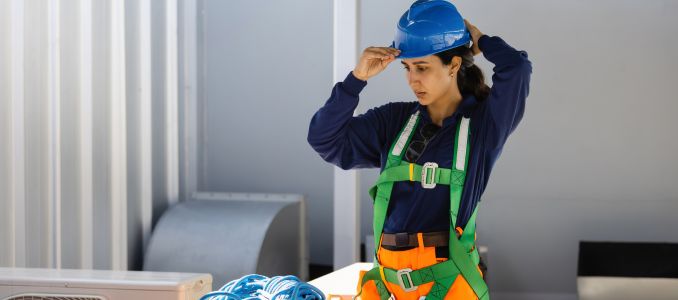
The construction industry remains one of the most hazardous sectors in the global economy. According to data from the Department of Labor, the industry consistently reports the lowest representation of women compared to any other sector, with the exception of mining. This creates a feedback loop: because there are few women in the trades, manufacturers have historically prioritized the needs of the male majority, leaving women to navigate the field with equipment that is often too large, improperly balanced, or physically obstructive.
A Chronology of Neglect: From "Shrink It and Pink It" to Modern Standards
For much of the 20th century, the issue of female-specific PPE was largely ignored. The industry standard was defined by the male physique, and when companies finally began to acknowledge the presence of women on site in the early 2000s, the response was often superficial. This era was characterized by the "shrink it and pink it" strategy—a design philosophy where manufacturers simply downsized standard men’s equipment and occasionally changed the color palette to appeal to women.
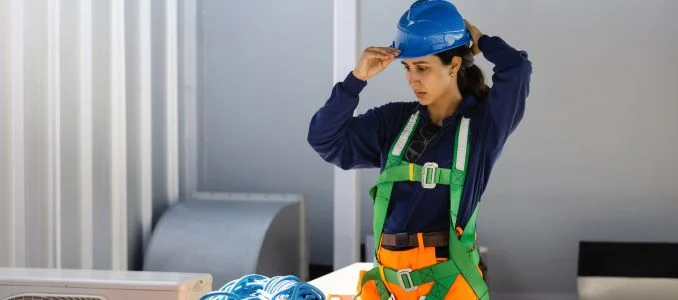
This approach failed fundamentally to address the ergonomic and anatomical differences between men and women. Standard-issue harnesses, for example, are designed for broader shoulders and different center-of-gravity points. When a woman wears a harness designed for a male frame, the straps may chafe against the neck, the leg loops may not tighten sufficiently, or the D-ring may be positioned out of reach. In the event of a fall, these misfits can turn a piece of safety equipment into a source of secondary injury.

The shift toward meaningful design began only as researchers and labor advocacy groups started quantifying the link between equipment fit and professional outcomes. Studies by the Discrimination Research Center and Equal Rights Advocates in 2007 began to correlate the lack of appropriate gear with the industry’s broader struggles to retain women. By the mid-2010s, academic research, including the seminal work of Wagner, Kim, and Gordon (2013), provided empirical evidence that tradeswomen tied their job satisfaction directly to the functionality and comfort of their equipment.
The Safety Implications of Poor Fit
The importance of PPE in construction cannot be overstated. In an industry defined by dynamic, temporary, and often decentralized work environments, engineering controls and administrative safety protocols are sometimes insufficient. PPE serves as the final barrier between a worker and a catastrophic event.
When PPE does not fit, it creates a range of hazards:

- Reduced Mobility: Oversized gloves reduce dexterity, increasing the risk of mechanical injury or electrical mishaps.
- Trip and Fall Hazards: Improperly fitted footwear or baggy protective clothing can snag on equipment or lead to tripping on uneven surfaces.
- Respiratory Failure: Dust masks and respirators designed for larger faces often fail to create an adequate seal on smaller, female faces, allowing for the inhalation of silica dust, asbestos, or chemical vapors.
- Psychological Distraction: The constant need to adjust ill-fitting gear draws focus away from the task at hand, increasing the likelihood of human error in high-risk zones.
For pregnant women, the challenge is amplified. Standard high-visibility vests and tool belts are rarely designed to accommodate changing body dimensions, effectively forcing many women to stop field work earlier in their pregnancies than they might otherwise choose, solely because the required safety gear no longer exists in a functional size.
Economic and Retention Consequences
The construction industry is currently facing a "silver tsunami," with a large segment of the skilled workforce reaching retirement age. The recruitment of women is no longer just a social imperative; it is an economic necessity. However, the industry’s inability to provide basic, safe equipment serves as a silent signal that women are not fully integrated into the workplace.
Research indicates that job satisfaction is strongly correlated with the quality of support services provided by an employer. When a company fails to provide PPE that fits, it sends an implicit message: "You are an afterthought." This contributes to the high attrition rate among women in the trades. When workers feel physically unsafe or uncomfortable, their productivity declines, and their likelihood of seeking employment in industries that offer more inclusive safety environments increases.

Industry Responses and the Path Forward
In recent years, the discourse has begun to shift from "if" to "how." Advocacy groups, labor unions, and an increasing number of enlightened contractors are pushing for more inclusive procurement policies.
The primary recommendation from safety experts is the integration of women into the design phase. Manufacturers that involve tradeswomen in the testing and prototyping of new PPE lines report significantly higher adoption rates and better safety outcomes. This involves moving beyond the "one-size" model to offer a broader range of adjustable sizing and equipment specifically engineered for female biometrics.
Furthermore, firms are beginning to implement "PPE audits" as part of their safety management systems. These audits go beyond checking if equipment is present; they evaluate whether the equipment is suitable for the specific worker using it. If a firm cannot source appropriate equipment, they are increasingly being held accountable for the resulting safety gaps.

Fact-Based Analysis of Future Implications
As the industry moves toward 2030, the legal and regulatory landscape is likely to tighten. While existing OSHA standards are generally written in gender-neutral language, the failure to provide equipment that protects all workers equally could lead to an increase in liability litigation. If a female worker is injured due to a harness that failed to function because it was designed for a male anatomy, the employer faces significant legal exposure.
The movement to improve PPE for women is ultimately a movement toward professionalization. By treating PPE as a precision tool rather than a generic commodity, the industry stands to gain in three distinct ways:
- Improved Safety Records: Reducing accidents by ensuring equipment functions as designed for every body type.
- Increased Talent Pool: Removing a primary barrier to entry for women, thereby helping to address labor shortages.
- Enhanced Operational Efficiency: Workers who are comfortable and confident in their gear are more productive and less prone to fatigue.
The future of construction safety lies in the recognition that diversity in the workforce requires diversity in the tools provided to them. As the industry continues to evolve, the ability to source, provide, and mandate the use of properly fitting PPE will become a benchmark for excellence in construction safety management. The era of accepting "one-size-fits-all" is drawing to a close, replaced by a data-driven understanding that true safety is inclusive, ergonomic, and intentionally designed for every person on the job site.