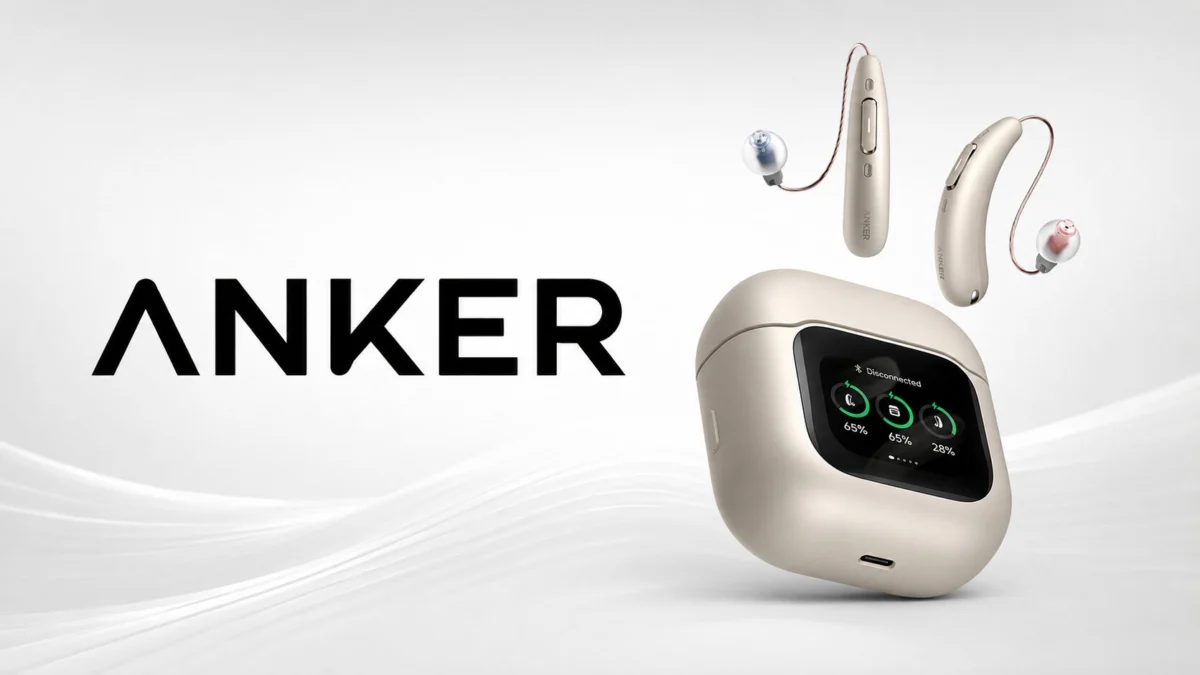
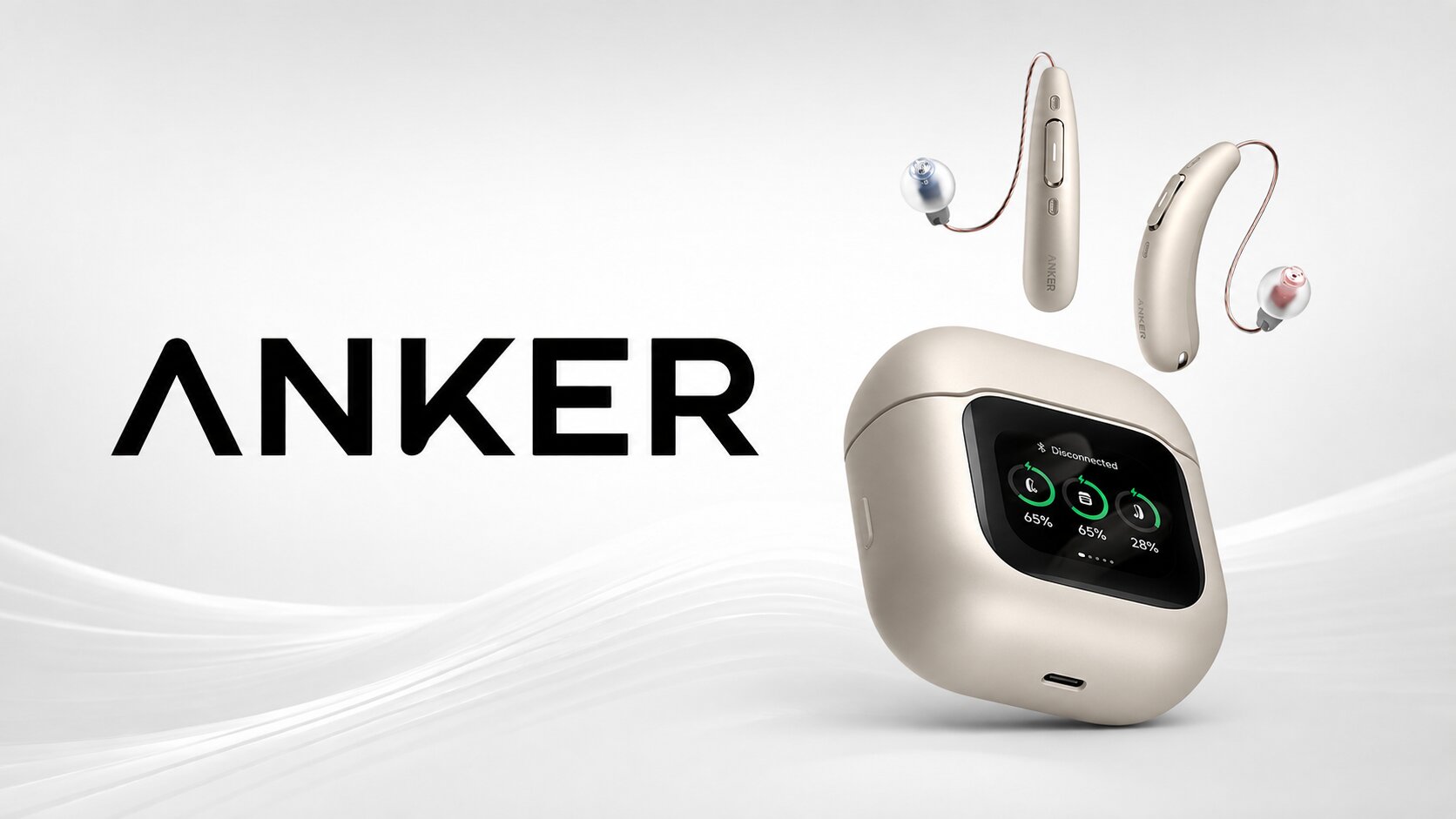
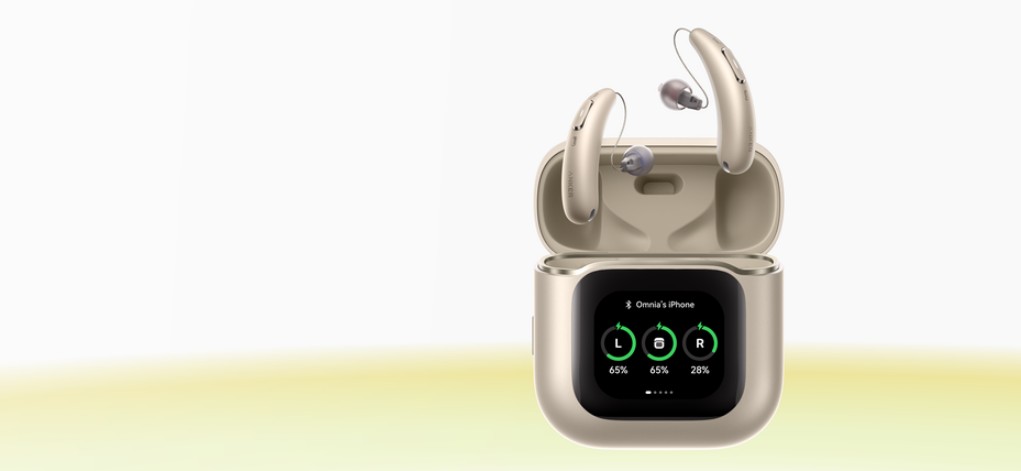
The company’s official communication detailed that these new hearing aids would leverage Anker’s extensive expertise gleaned from its consumer audio division, specifically highlighting advancements in noise reduction, extended battery life, and rapid charging capabilities. These core competencies are expected to provide a distinct competitive edge in a market where user experience and practical functionality are paramount. While Anker has confirmed its entry and the technological backbone of its new offerings, granular details regarding product specifications, pricing, distribution channels, and post-purchase support mechanisms are slated for release in the coming months.
Anker’s Strategic Evolution: Unifying Brands for a New Era
Anker’s foray into hearing health is not an isolated event but rather a component of a larger, sweeping corporate strategy revealed at IFA 2026. In a parallel announcement, the company confirmed a comprehensive rebranding initiative aimed at consolidating its diverse portfolio of brands—which previously operated as distinct entities like Anker (charging), Soundcore (audio), eufy (smart home), SOLIX (portable power), and eufyMake (creative technology)—under a unified "Anker" identity. This strategic streamlining is designed to fortify brand recognition, enhance marketing synergies, and project a cohesive corporate vision as Anker expands into new verticals like health technology.
Founded in 2011, Anker has experienced an meteoric rise, transforming from a modest startup into a global consumer electronics titan. The company boasts an impressive reach, serving over 200 million customers across more than 180 countries and regions. This vast existing customer base, coupled with Anker’s formidable brand recognition and distribution networks, positions it uniquely within the hearing aid landscape. Unlike many startups or niche medical device manufacturers, Anker brings the scale, financial muscle, and consumer-centric design philosophy typically associated with leading technology companies. Its annual revenue, which surpassed $2.3 billion in 2023, further underscores its substantial operational and investment capacity, enabling it to enter new, complex markets with significant backing.
Bringing THUS AI to Hearing Health: A Technological Edge
At the technological core of Anker’s new hearing aid line is its proprietary THUS AI chip. This advanced artificial intelligence platform, which Anker is integrating across its next generation of audio products, is now poised to redefine the capabilities of consumer-grade hearing solutions. The application of AI in hearing aids holds immense potential for personalized sound processing, adaptive noise cancellation, and enhanced speech clarity in various listening environments.
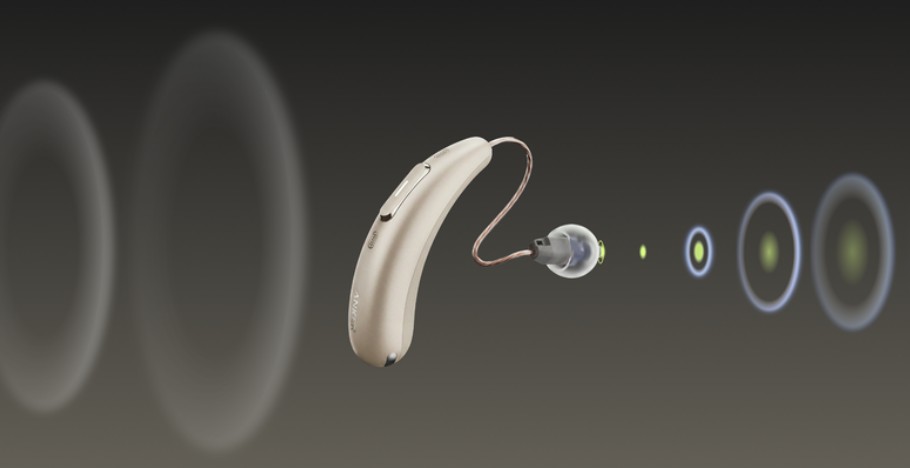
The THUS AI chip is expected to enable sophisticated algorithms for real-time soundscape analysis, distinguishing between speech and ambient noise with greater precision. This could translate into a superior listening experience for users, allowing them to focus on conversations even in challenging acoustic settings like crowded restaurants or busy streets. Furthermore, AI can facilitate personalized fitting and adaptation, learning from user preferences and environmental data to automatically optimize sound settings over time, reducing the need for manual adjustments. Anker’s existing prowess in noise reduction, refined through its Soundcore headphones, provides a strong foundation for developing highly effective noise management features within its hearing aids. The company’s expertise in rechargeable battery technology and fast charging, a hallmark of its power bank and accessory lines, promises to deliver devices with exceptional longevity and convenience, addressing a common pain point for hearing aid users.
The choice of Receiver-In-Canal (RIC) devices is also strategic. RIC hearing aids are a popular form factor, known for their discreet design, comfort, and ability to deliver high-quality sound. They place the receiver (speaker) directly in the ear canal, minimizing sound distortion and offering a more natural listening experience compared to traditional behind-the-ear (BTE) models. This design choice aligns with Anker’s focus on user comfort and sleek aesthetics, key elements in consumer electronics appeal.
The Evolving Landscape of the OTC Hearing Aid Market: A Crucible of Innovation and Challenge
Anker’s entry into the hearing aid market arrives at a critical juncture for the U.S. over-the-counter (OTC) hearing aid sector. The market dynamics have been profoundly shaped by the U.S. Food and Drug Administration’s (FDA) landmark OTC hearing aid regulations, which took effect in October 2022. This regulatory framework was designed to enhance accessibility and affordability for adults aged 18 and older with perceived mild-to-moderate hearing loss, by allowing them to purchase hearing aids directly without a prescription or medical examination. The FDA estimated that approximately 30 million Americans could benefit from hearing aids, yet only about one-fifth of those with hearing loss currently use them, primarily due to cost, stigma, and access barriers. The OTC category was envisioned as a solution to bridge this significant treatment gap.
Since the FDA ruling, the OTC market has become a vibrant, albeit challenging, battleground attracting a diverse array of players. Traditional hearing aid manufacturers (e.g., GN with Jabra Enhance), established consumer electronics giants (e.g., Bose, Sony), and a growing cohort of innovative startups have all vied for market share. However, the commercial outcomes have been distinctly mixed, highlighting the inherent complexities of this specialized health technology sector.
One of the most significant recent setbacks was the announcement by LXE Hearing, formed from the merger of Eargo and hearX (including the Eargo, Lexie Hearing, and Go Hearing brands), that it was winding down its U.S. operations. The company cited an inability to identify a viable path forward despite restructuring efforts and attempts to pursue strategic transactions. This exit underscored the severe challenges associated with consumer acquisition, high marketing costs, the nuances of providing adequate support for a medical device without direct professional involvement, managing returns, and establishing sustainable direct-to-consumer (DTC) distribution economics.
Even major global players like GN, one of the world’s largest hearing technology companies, have faced hurdles in achieving profitability within their direct-to-consumer hearing business. During GN’s Q2 2026 earnings discussion, CEO Peter Karlströmer noted that JabraEnhance.com was "very close to break-even," yet he acknowledged that the company’s formal break-even target had been deferred by several quarters. This ongoing struggle, even for a company with deep audiological expertise and substantial resources, emphasizes that robust technology and brand recognition do not automatically guarantee commercial success in the OTC hearing aid space. The underlying challenges extend beyond product development to encompass consumer education, overcoming skepticism, providing adequate post-purchase support, and navigating the unique economics of distributing medical devices directly to consumers.
Despite these difficulties, the market continues to evolve and attract new investment, with companies adapting their strategies. ELEHEAR, for instance, recently expanded its OTC hearing aid services with ElePro Plus, a tele-audiology program. This initiative offers users access to licensed hearing professionals for remote hearing assessments, fitting adjustments, and follow-up support. This development reflects a broader market evolution towards hybrid models, moving beyond a purely self-service device purchase towards approaches that incorporate professional guidance and support, acknowledging that many consumers require more assistance than a simple device purchase can provide.
Anker’s Unique Position and Potential Impact on the Market
Anker’s sheer scale and consumer electronics pedigree make its entry into the hearing aid market particularly noteworthy. Unlike many of the smaller startups that have ventured into this space, Anker arrives with an established global consumer brand, a loyal customer base numbering in the hundreds of millions, and extensive, proven experience in developing, manufacturing, and distributing consumer audio products and rechargeable electronics. This provides Anker with several distinct advantages:
- Brand Recognition and Trust: Anker is a household name for quality and reliability in consumer electronics, which could significantly lower consumer acquisition costs and overcome some of the initial skepticism associated with new health tech products.
- Manufacturing and Supply Chain Efficiency: With its vast global operations, Anker possesses highly optimized manufacturing processes and a robust supply chain, potentially allowing it to produce high-quality hearing aids at a more competitive price point than many specialized medical device companies.
- Technological Synergy: The direct transfer of technologies from its Soundcore audio division—especially in active noise cancellation, sound processing, and long-lasting, fast-charging batteries—offers a strong foundation for developing advanced hearing aids.
- Distribution Networks: Anker’s existing online and retail distribution channels across hundreds of countries provide immediate market access, bypassing the need to build these infrastructures from scratch.
- Design and User Experience Focus: Anker’s background in consumer electronics suggests a strong emphasis on sleek design, intuitive user interfaces, and a focus on the overall user experience, which could appeal to a broader demographic, including younger individuals experiencing early-onset hearing loss who might be deterred by traditional, often stigmatized, hearing aid aesthetics.
However, translating these advantages into sustained success in hearing healthcare remains a complex undertaking. The experiences of companies already navigating the OTC hearing aid market underscore that even strong technology and widespread consumer recognition do not inherently eliminate the deep-seated challenges related to customer acquisition, the provision of adequate and cost-effective support for a medical device, managing return rates, and ensuring long-term profitability within a unique regulatory and consumer environment. Hearing health requires a nuanced understanding of audiology, patient psychology, and personalized care that extends beyond typical consumer electronics support.
Broader Implications for Consumers and the Industry
Anker’s entry has significant implications for various stakeholders:
- For Consumers: This move promises increased choice, potentially lower prices due to Anker’s scale and cost efficiencies, and the introduction of advanced, user-friendly features driven by consumer electronics innovation. Anker’s brand presence might also contribute to destigmatizing hearing aid use, making these devices feel more like mainstream personal electronics rather than medical necessities.
- For Traditional Hearing Aid Manufacturers: Anker’s arrival intensifies competition, particularly in the OTC segment. It will exert pressure on existing players to innovate more rapidly, adopt more consumer-friendly design philosophies, and potentially reassess their own direct-to-consumer strategies and pricing structures. It could also spur collaborations between traditional audiology companies and tech firms to combine medical expertise with consumer tech prowess.
- For the OTC Market’s Future: Anker’s success or struggle will serve as a crucial barometer for the long-term viability and direction of the OTC hearing aid market. If Anker, with its immense resources and consumer appeal, can successfully navigate the challenges, it will validate the FDA’s vision for accessible hearing care and likely attract even more large tech companies, further accelerating innovation and market growth. Conversely, significant struggles could cast a shadow on the profitability model of the pure OTC approach.
The Road Ahead: Unanswered Questions
As of this announcement, Anker has provided relatively limited information regarding the specifics of how its hearing aids will be positioned, marketed, sold, or supported. Key questions that remain unanswered include:
- Detailed Specifications and Features: What specific audiological features will the THUS AI chip enable? How will they compare to existing medical-grade devices?
- Pricing Strategy: Will Anker leverage its scale to offer highly competitive pricing, significantly undercutting traditional hearing aid costs?
- Availability: When and where will these devices first become available? Will there be a phased rollout?
- Distribution Model: Will Anker rely solely on its direct-to-consumer channels, or will it pursue partnerships with pharmacies, big-box retailers, or even professional audiology clinics for support?
- Support and Service: Given the medical nature of hearing aids, how will Anker provide necessary fitting assistance, troubleshooting, and ongoing support? Will they adopt a tele-audiology model similar to ELEHEAR or create a new support paradigm?
- Regulatory Compliance: How will Anker ensure compliance with hearing aid regulations in various international markets beyond the initial U.S. OTC focus?
Anker has indicated that further details will be disclosed in the coming months, and the industry, consumers, and health professionals will be keenly awaiting these revelations. The company’s entry marks a pivotal moment, poised to potentially redefine the accessibility, technology, and consumer perception of hearing aids. Whether Anker’s vast consumer electronics experience can truly revolutionize hearing healthcare, or if it will encounter the same formidable challenges faced by its predecessors, remains a compelling narrative to watch unfold.
Source: Anker