
A Chronology of Early Intervention and Medical Innovation
Jordan Buckingham’s journey began in the mid-1990s, a pivotal era for pediatric audiology. At 22 months of age, she contracted pneumococcal meningitis, a severe bacterial infection that resulted in profound, bilateral sensorineural hearing loss. At the time, the medical community’s approach to such a diagnosis was rapidly evolving.
In 1995, Buckingham became the first child at Seattle Children’s Hospital to undergo a cochlear implant procedure. The surgery represented a significant leap forward in medical technology, as the clinical application of cochlear implants for pediatric patients was still in its relative infancy. Following this breakthrough, she underwent a second implantation procedure, providing her with bilateral access to sound.
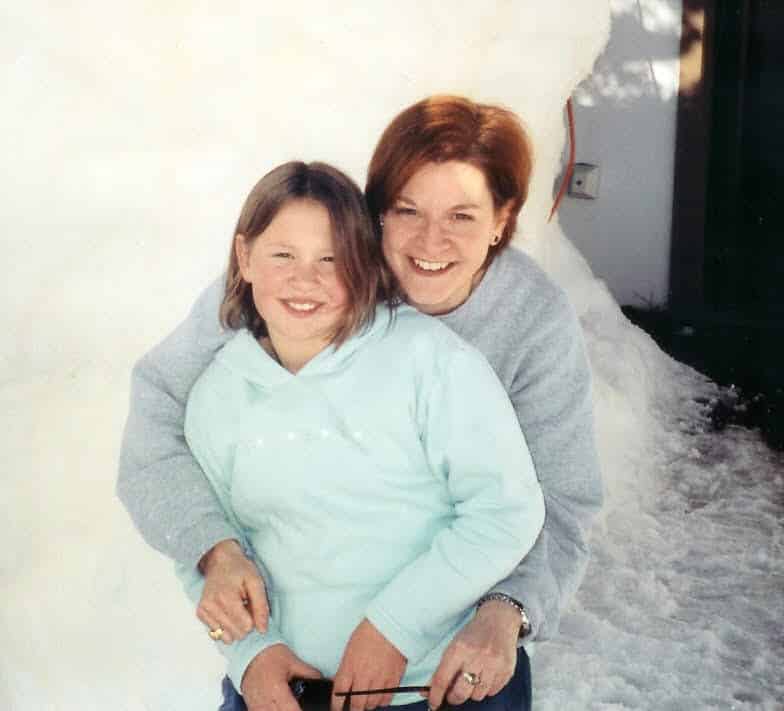
In 1996, Buckingham’s family sought out specialized educational support at Listen and Talk, an organization dedicated to maximizing the potential of children who are deaf or hard of hearing through LSL methodologies. As one of the program’s inaugural pre-K students, she worked closely with founder Star Leonard-Fleckman. This period of early childhood was critical; the brain’s neuroplasticity during the first few years of life is essential for language acquisition. By integrating her medical technology with the auditory-verbal therapy provided by Listen and Talk, Buckingham was able to develop strong listening and spoken language skills, laying the foundation for her academic and professional success.
The Science of Listening and Spoken Language (LSL)
The methodology employed by Listen and Talk is rooted in the philosophy that children with hearing loss can learn to listen and talk if they are provided with the right technological tools and consistent, high-quality therapy. This approach, known as Listening and Spoken Language (LSL), emphasizes the use of assistive devices—such as cochlear implants and hearing aids—to capture sound, combined with intensive therapy to train the brain to interpret that sound as meaningful speech.
According to the Alexander Graham Bell Association for the Deaf and Hard of Hearing, the success of LSL depends heavily on the "earliest possible" intervention. Data consistently indicates that children who receive cochlear implants and begin auditory-verbal therapy before the age of two show significantly higher rates of success in mainstream academic environments compared to those who begin intervention later. Buckingham’s successful integration into mainstream education, eventually graduating from Charles Wright Academy and later earning a Bachelor’s degree in Family Business from Stetson University in 2014, aligns with these long-term outcomes.
Professional Integration and Personal Advocacy
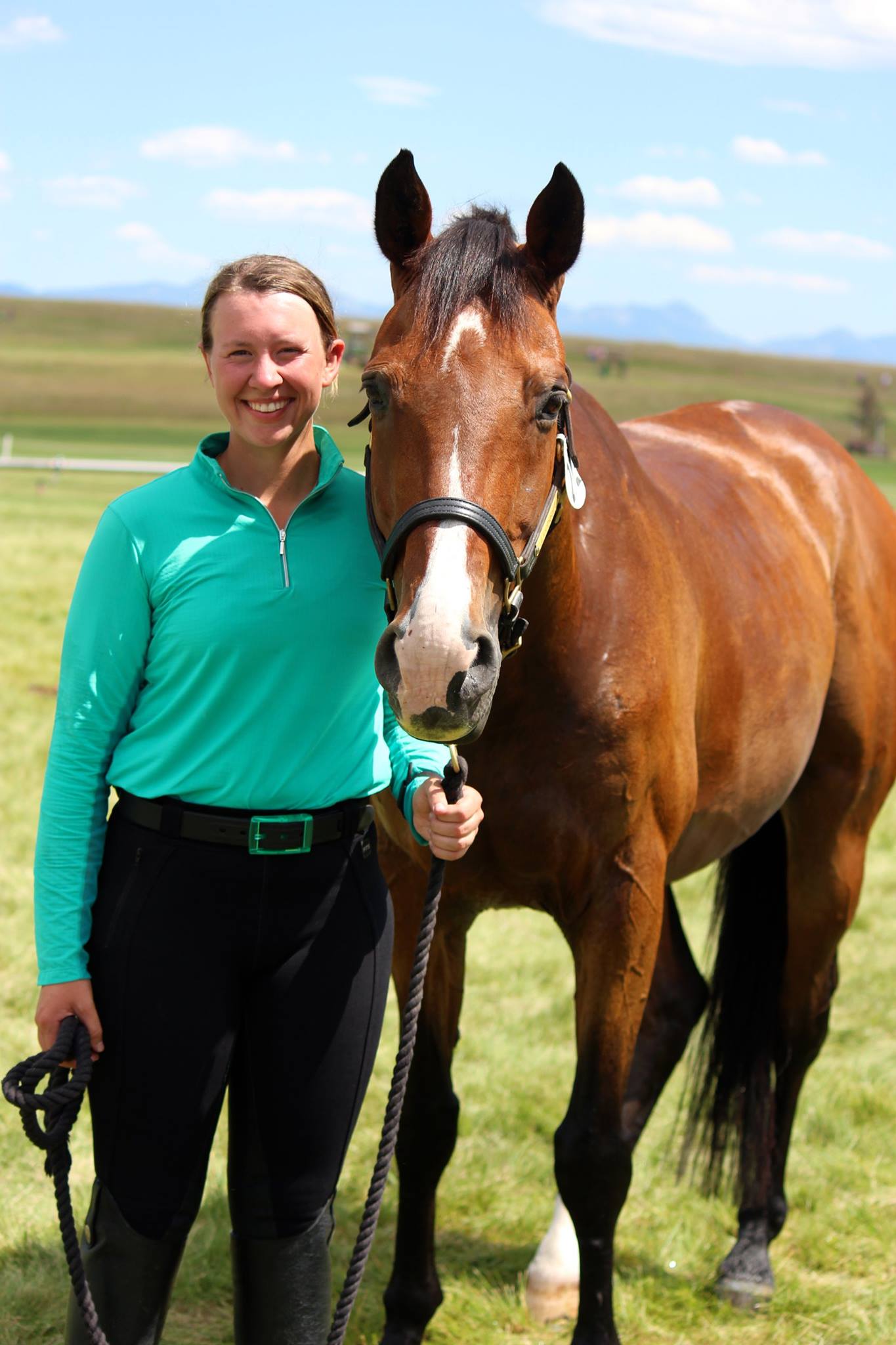
Today, at age 33, Buckingham resides in Middleton, Idaho, where she works as an assistant horse trainer. Her professional life requires precise communication, high-level situational awareness, and the ability to work in dynamic environments—skills she notes were nurtured during her years of specialized therapy.
Her transition into adulthood serves as a model for how individuals with hearing loss can excel in diverse career fields. By integrating her personal experiences into her mentorship of other families, Buckingham has become an informal advocate for the LSL model. She frequently emphasizes that the path is not without challenges, noting that "perseverance" and "leaning on a community" are the two most critical components of the journey. Her advice to new parents focuses on the necessity of high expectations; she argues that with the right support, the hearing loss itself does not have to act as a ceiling for a child’s potential.
Broader Implications for Hearing Healthcare
The implications of Buckingham’s success extend beyond her personal life; they underscore the importance of sustained support systems. While medical technology provides the physical means to hear, the educational and social framework provided by organizations like Listen and Talk provides the "software" for that technology to function effectively.
Current trends in hearing healthcare are increasingly focusing on the "whole-child" approach. This includes:
- Early Identification: Universal newborn hearing screenings, which have become standard in many regions, allow for intervention to occur within the first six months of life, a window that is critical for speech and language development.
- Technological Advancements: Modern cochlear implants provide higher-resolution sound processing than those available in the 1990s, allowing for better music appreciation and speech understanding in noisy environments.
- Parental Empowerment: Modern programs prioritize parent-coaching models, recognizing that the most effective therapy happens in the home environment, not just in the clinical setting.
The success of alumni like Buckingham serves as a benchmark for these programs. By tracking long-term outcomes, organizations can iterate their methodologies to better serve the next generation of students.
The Role of Alumni Engagement and Philanthropy
The sustainability of organizations such as Listen and Talk often depends on the continued involvement of the families they serve. The launch of the 2025 Alumni Family Giving Campaign highlights the cyclical nature of community support. For organizations that provide intensive, individualized services, the funding requirements are substantial. These funds are typically allocated toward early intervention services, specialized speech therapy, ongoing audiological diagnostic testing, and the development of parent education curricula.
From an institutional perspective, the participation of alumni is viewed as a vital metric of success. When former students contribute to the organization, it validates the long-term value proposition of the program. It also fosters a multi-generational network where experienced adults can offer insights to parents currently navigating the initial diagnosis of their child. This peer-to-peer support system is often cited as being just as valuable as the professional services provided by the organization.
Looking Toward the Future
As the medical community continues to refine the hardware of cochlear implants and the educational community continues to perfect the delivery of auditory-verbal therapy, the landscape for children with profound hearing loss continues to shift. The narrative of Jordan Buckingham acts as a proof-of-concept for this progress.
The goal of the vision shared by Listen and Talk—that "no child is limited by hearing loss"—is a direct response to the historical marginalization of deaf and hard-of-hearing individuals. By documenting and analyzing the lives of those who have successfully navigated the transition from early intervention to independent, professional adulthood, the field is able to adjust its expectations and improve the quality of life for those currently entering the system.
For families currently receiving a diagnosis, the data provided by the success of long-term alumni offers a sense of objective optimism. The combination of early medical intervention, consistent therapeutic support, and a dedicated community remains the most effective strategy for ensuring that hearing loss remains a manageable aspect of life rather than a defining limitation. As Buckingham continues her work in the horse-training industry, her life stands as a testament to the enduring impact of the resources she accessed nearly three decades ago, proving that while the tools of the trade may change, the fundamental human need for connection and clear communication remains constant.