The Significance of the Biennial Gathering
The NAD Conference has historically served as a critical nexus for the American Deaf community since the organization’s inception in 1880. As the nation’s oldest civil rights organization representing the rights of Deaf and hard of hearing individuals, the NAD utilizes this biennial event to establish its policy agenda for the subsequent two years. Delegates from across the United States converge to vote on resolutions, elect leadership, and participate in training sessions that address systemic barriers to education, employment, and healthcare.
The 2026 selection of San Francisco underscores a strategic focus on a region with a high density of Deaf-led organizations and a history of robust disability rights advocacy. During a recent site visit, the NAD Board of Directors evaluated the primary conference hotel, assessed logistical requirements for large-scale sign language interpretation services, and held high-level discussions with local partners. This collaborative approach is intended to ensure that the event meets the rigorous standards of the Americans with Disabilities Act (ADA) while providing an immersive experience for thousands of attendees.
Organizational Leadership and Collaborative Framework
The organizational structure for the 2026 conference is characterized by a multi-layered approach to project management. Milmaglyn Morales has been appointed as the Conference Chair, tasked with overseeing the complex operational demands of an event of this magnitude. Supporting these efforts is Bobbie Beth Scoggins, who currently serves as the Interim CEO of the NAD. Her mandate includes the oversight of fiscal management, vendor relations, and the implementation of inclusive accessibility protocols.
The success of the 2026 gathering relies heavily on the inter-organizational cooperation of regional partners. Key collaborators include the Registry of Interpreters for the Deaf (RID) Region V and its various affiliate chapters, as well as Deaf in Government (DIG). Furthermore, the NAD is working in close coordination with the National Deaf Education Committee (NDEC) and the organization’s own Education Section. These partnerships are essential for addressing the intersectional nature of the issues currently affecting the community, particularly as they relate to the quality of education for Deaf children and the professional standards of the interpreting field.
Local support in California is being facilitated through an extensive network of advocacy groups, including the Northern California Services for Deaf & Hard of Hearing (NorCal), the Deaf Counseling, Advocacy and Referral Agency (DCARA), and the Greater Los Angeles Agency on Deafness (GLAD) through its Office of Deaf Access. Additionally, the NAD is engaging with the City of San Francisco’s Office of Disability and Access to ensure that the conference footprint is integrated into the city’s broader infrastructure for inclusive public gatherings.
Addressing Structural Challenges in the Deaf Community
While the planning phase for the 2026 conference is underway, the NAD leadership remains cognizant of the broader socio-political environment. The organization has identified several critical areas of concern that continue to impact the Deaf and hard of hearing population, including, but not limited to, a persistent national shortage of qualified sign language interpreters.
Data from the Bureau of Labor Statistics and industry reports indicate that the demand for professional interpreters continues to outpace supply, particularly in medical and legal settings. This shortage is frequently cited by advocacy groups as a significant barrier to the effective implementation of the ADA, as the lack of qualified personnel often results in delayed or denied services. Furthermore, the NAD is monitoring legislative shifts that could affect disability rights, including ongoing debates regarding special education funding and the enforcement of the Individuals with Disabilities Education Act (IDEA).
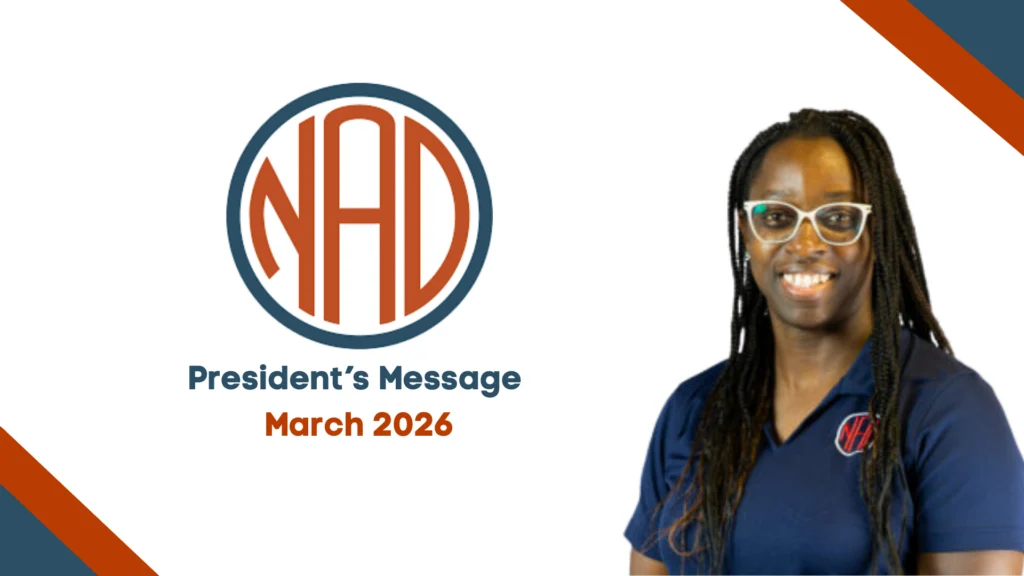
"The challenges facing our community—ranging from language access gaps to educational inequities—are substantial," stated Stephanie, President of the NAD, in a recent briefing. "The board is actively monitoring these developments and coordinating with our state associations to ensure that our advocacy is grounded in the lived experiences of our members."
Technological Integration and Future Infrastructure
In parallel with conference planning, the NAD is undergoing a significant digital transformation. The association is preparing to launch a redesigned website in the coming weeks, a move intended to improve the dissemination of advocacy information and resources. Digital accessibility is a primary objective for this project, with the new platform expected to feature improved navigation, better support for screen readers, and enhanced compatibility with mobile devices.
This digital upgrade is part of a broader strategy to increase transparency and member engagement. By providing a centralized, accessible portal for conference registration, policy updates, and advocacy alerts, the NAD aims to streamline communication between the national office and its thousands of members across the country.
Economic and Sociological Impact
The decision to host the 2026 conference in San Francisco is expected to have a tangible economic and cultural impact. Historically, NAD conferences attract a diverse demographic, including families, educators, policy makers, and corporate stakeholders. Beyond the immediate economic impact on the local hospitality industry, the conference provides a unique environment for the exchange of pedagogical research and technological innovations tailored to the Deaf experience.
From a sociological perspective, these gatherings are vital for the preservation and advancement of American Sign Language (ASL). By facilitating intergenerational interaction and providing a space for the debate of community norms, the NAD conference reinforces the cultural identity of the Deaf community. It serves as a laboratory for new ideas, where best practices in accessibility are developed and disseminated to the broader public.
Looking Toward 2026
As the timeline for the 2026 conference solidifies, the NAD has advised members to monitor the official conference website, www.nad.org/sf26, for real-time updates regarding call-for-papers, vendor exhibition opportunities, and registration deadlines. The association’s commitment to an inclusive planning process suggests that the upcoming conference will prioritize the voices of those most affected by current policy decisions.
The NAD Board of Directors has emphasized that the engagement of its members is the primary driver of its success. By fostering a culture of collaboration, the association aims to turn the challenges of the present—such as language access and systemic inequity—into catalysts for legislative and social reform.
In the lead-up to the San Francisco summit, the organization will continue its advocacy work, focusing on the protection of rights for Deaf and hard of hearing individuals in all sectors of society. The upcoming conference, therefore, should be viewed not merely as a biennial meeting, but as a strategic checkpoint in a long-term effort to ensure that the rights of the Deaf community are upheld at both the state and federal levels.
For stakeholders interested in contributing to the planning process or seeking information on specific advocacy initiatives, the NAD encourages ongoing dialogue. As the organization transitions into this new phase of planning, it maintains a focus on the core values that have sustained it for over 140 years: the promotion of self-determination, the defense of civil rights, and the unwavering commitment to a more accessible future for all.