Context and Background of the Event
Tinnitus, characterized by the perception of sound in the absence of an external acoustic stimulus, affects an estimated 10 to 15 percent of the global population. In the United Kingdom, the prevalence of persistent tinnitus is significant, often leading to secondary complications such as sleep deprivation, anxiety, and depression. Tinnitus UK, the nation’s leading charity dedicated to the condition, has historically utilized regional information days to bridge the gap between clinical research and patient experience.
The choice of Cardiff as the location for this year’s initiative reflects a strategic push to reach underserved populations in South Wales. For years, many residents in this region have lacked access to specialized, face-to-face support, often relying on fragmented information from general practitioners or anecdotal advice. The event was designed to dismantle the common misconception that tinnitus is an incurable condition that must simply be ignored—a directive that frequently leaves patients feeling abandoned by the medical community.

Chronology of the Day’s Proceedings
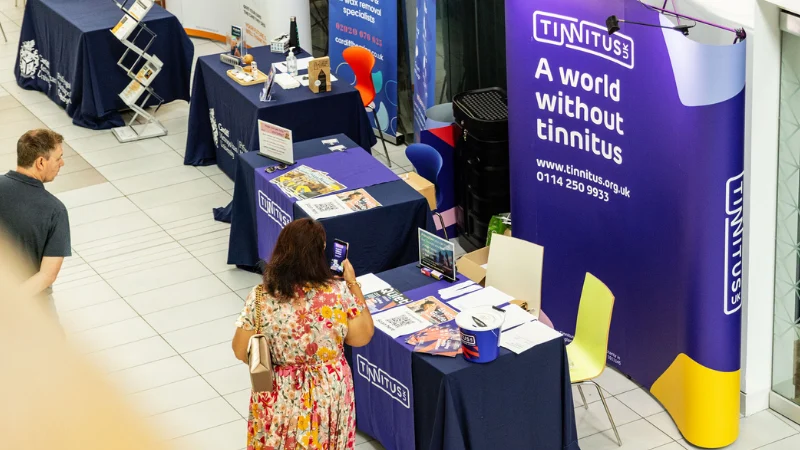
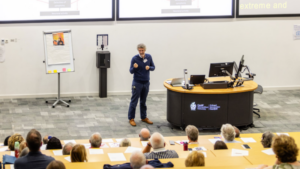
The schedule for the Cardiff Information Day was meticulously curated to balance medical expertise with holistic management techniques. The morning sessions commenced with an introduction to the fundamentals of hearing health, followed by a series of presentations from local hearing professionals, including Sonja Jones of Cardiff Hearing and Kevin Davies of Minerva.
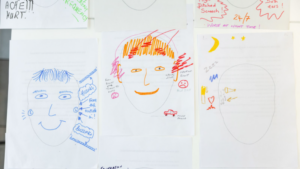
Mid-day sessions shifted toward psychological resilience and neuroplasticity. Professor Florian Vogt of University College London provided a deep dive into the psychological mechanisms of tinnitus, emphasizing that the brain’s reaction to the sound is often more detrimental than the sound itself. Attendees were subsequently introduced to the Tinnitus Creative Toolkit, an innovative project originating from the Open University. This session invited participants to move beyond traditional medical interventions, instead using creative expression to process their experiences. The afternoon concluded with a practical demonstration of chair yoga, reinforcing the link between physical movement and the modulation of the auditory nervous system.

Data-Driven Insights on Tinnitus Management
The efficacy of the information day is supported by broader research regarding the benefits of community-based support. Data indicates that approximately 97 percent of individuals who engage with dedicated tinnitus support groups report a measurable improvement in their ability to manage their condition. This improvement is rarely linked to a decrease in the decibel level of the tinnitus itself, but rather to a shift in the patient’s emotional response—a process known as habituation.
Furthermore, the integration of physical activity, such as the chair yoga demonstrated in Cardiff, aligns with international findings. Data sourced from patient-reported outcomes in France suggests that physical movement acts as a sensory distraction and a stress-reduction mechanism. By engaging in moderate exercise, patients are better able to regulate their autonomic nervous system, which in turn reduces the "fight or flight" response often triggered by persistent tinnitus.
Expert Perspectives and Community Impact
The presence of specialists like Professor Florian Vogt added significant academic weight to the event. In his address, Professor Vogt highlighted that while pharmacological "cures" remain elusive, the clinical focus has shifted toward cognitive behavioral therapy (CBT) and sound-enrichment strategies. His research suggests that by integrating psychological support with audiological care, patients can significantly reduce the "burden of sound" that interferes with their daily lives.
Local professionals echoed this sentiment. Sonja Jones noted that the primary challenge for many patients is the lack of a clear, actionable plan. By providing a forum where experts, patients, and providers interact directly, the event transformed a medical condition into a shared human experience. This sentiment was validated by the attendees, many of whom noted that the environment of the Cardiff School of Management felt more like a community workshop than a sterile medical conference.
New Developments and Future Implications
Perhaps the most significant outcome of the Cardiff gathering was the spontaneous formation of a new local support group. While Tinnitus UK had hoped for increased engagement, the creation of a new, grassroots-led support network in Cardiff exceeded expectations. This development is crucial, as it provides a sustainable, long-term resource that can operate independently of the charity’s periodic events.
The establishment of this group addresses a critical void in the regional healthcare landscape. By creating a localized point of contact, people in South Wales will now have access to monthly meetings, peer-to-peer advice, and a consistent support system that does not require travel or external funding. This model of community-led care is expected to serve as a blueprint for other regions that have not yet hosted an Information Day.

The Broader Strategy of Tinnitus UK
The success of the Cardiff event serves as a foundation for the charity’s ongoing national strategy. With the next event scheduled for September 5 in Bournemouth, Tinnitus UK is refining its model to ensure that it reaches diverse demographics, including musicians, veterans, and individuals with occupational hearing loss. The organization maintains that these events must remain free of charge to ensure equitable access.
Financially, the sustainability of these events relies heavily on membership fees, legacy gifts, and public donations. The charity’s leadership has been vocal about the importance of these contributions in maintaining the independence of their research and the accessibility of their programs. By removing the financial barriers to participation, Tinnitus UK ensures that individuals from all socioeconomic backgrounds can access the same standard of information.
Conclusion and Future Outlook
The return to Cardiff has proven that there is a significant, unmet demand for face-to-face tinnitus support. By combining academic research with practical, community-based solutions, Tinnitus UK has demonstrated that the management of chronic conditions is as much about social connection as it is about clinical treatment.
As the charity looks toward its future events, the lessons learned in Cardiff—specifically the value of the Creative Toolkit and the importance of localized support groups—will likely be integrated into the core curriculum of all future sessions. The ultimate goal is to shift the narrative around tinnitus from one of helplessness to one of proactive management. For the residents of Cardiff who participated in this weekend’s events, the path forward appears clearer, with a new community of peers and a growing repository of management strategies at their disposal. The success of the day stands as a testament to the fact that while tinnitus may be an invisible condition, it does not have to be an isolating one.