
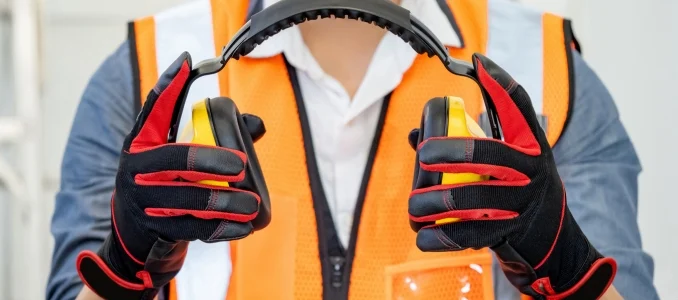
According to the National Institute for Occupational Safety and Health (NIOSH), approximately 27 million workers in the United States are exposed to hazardous noise levels annually. Despite the prevalence of this risk, more than 50% of these individuals report inconsistent use of hearing protection. The normalization of noise in industrial environments—often viewed as an unavoidable byproduct of heavy machinery, power tools, and manufacturing processes—has created a silent epidemic of sensory and systemic health decline.
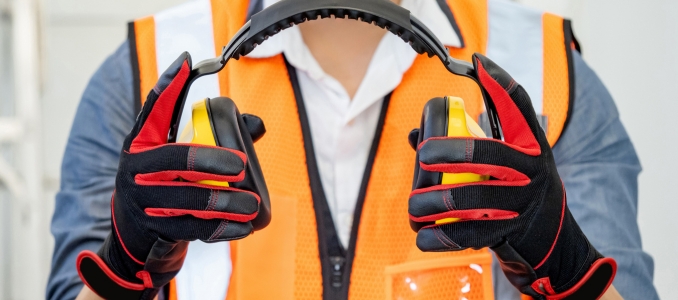
The Physiology of Noise-Induced Damage
To understand the severity of the issue, one must look at the mechanics of the human ear. The inner ear contains thousands of microscopic hair cells responsible for converting sound waves into electrical signals for the brain. Unlike the cells in the skin or the liver, these hair cells do not possess the capacity to regenerate. When they are subjected to acoustic trauma—whether through a single high-decibel blast or prolonged exposure to moderate but constant noise—they can be sheared or destroyed.
The phenomenon known as tinnitus, often described as a ringing, buzzing, or hissing sound, serves as the body’s primary warning sign. While the public often views tinnitus as a benign, temporary annoyance, it is clinically categorized as a symptom of damage. Drawing a parallel to dermatological health, experts compare tinnitus to a sunburn: just as the redness of a burn indicates cellular injury, the ringing in the ears signals that the delicate internal structures have been pushed beyond their operational threshold. Persistent exposure without intervention transforms this acute warning into chronic, irreversible conditions.
A Chronology of Occupational Safety Standards
The recognition of noise as a formal workplace hazard has evolved significantly over the past century. During the early industrial era, hearing loss was frequently dismissed as a "cost of doing business." It was not until the post-World War II period that the scientific community began to quantify the relationship between industrial noise and permanent threshold shifts in hearing.

In 1970, the passage of the Occupational Safety and Health Act codified the government’s responsibility to ensure safe working conditions. The subsequent creation of the Occupational Safety and Health Administration (OSHA) led to the establishment of the Hearing Conservation Amendment in 1983. This landmark regulation mandated that employers implement monitoring programs, provide free hearing protection, and conduct annual audiometric testing for workers exposed to a time-weighted average of 85 decibels (dBA) over an eight-hour shift.
Despite these federal mandates, compliance remains a significant hurdle. In the decades since, the focus has shifted from mere hearing preservation to a holistic view of human health, recognizing that the implications of noise exposure extend far beyond the auditory system.
Beyond the Ears: The Systemic Impact of Noise
Recent epidemiological research suggests that noise pollution is a significant stressor on the human body, capable of triggering a cascade of physiological responses. When the ears are bombarded by high-decibel input, the body’s autonomic nervous system enters a state of heightened arousal.

- Cardiovascular Stress: Prolonged exposure to loud environments has been statistically linked to increased blood pressure and heart rate. Research published in various medical journals indicates that noise-induced stress hormones, such as cortisol and adrenaline, can exacerbate hypertension and increase the risk of ischemic heart disease.
- Sleep Disruption: Workers who experience high noise levels throughout the day often suffer from impaired circadian rhythms. The neurological impact of noise exposure can lead to chronic fatigue, which directly correlates to a decrease in cognitive function and alertness.
- Workplace Safety and Accident Risk: A compromised ability to hear warning signals, such as the reversing alarm of a forklift or the shout of a coworker, increases the probability of physical injury. Furthermore, the mental exhaustion caused by "noise fatigue" reduces situational awareness, creating a compounding effect on workplace safety.
- Social and Psychological Consequences: Chronic hearing loss and tinnitus are frequently associated with social isolation. When individuals find it difficult to participate in conversations due to muffled hearing, they often withdraw from social interactions, which is a known risk factor for depression and cognitive decline in older adults.
Data-Driven Perspectives on Compliance
Data from the Bureau of Labor Statistics (BLS) highlights that the manufacturing, construction, and transportation sectors remain the highest-risk environments. In many of these settings, the noise level frequently exceeds the 85-dBA limit, reaching upwards of 100 dBA in certain mechanical processes. At 100 dBA, the permissible exposure time before damage occurs is less than 15 minutes without protection.
The "compliance gap" remains a point of contention for safety officers. While many companies provide Personal Protective Equipment (PPE), the effectiveness of this equipment depends on proper fit and consistent use. A common error is the "donning and doffing" of earplugs; removing protection even for a few minutes to communicate can expose the worker to enough noise to negate the benefits of the entire day’s protection.
Institutional and Industrial Responses
Industry leaders and safety advocates are now calling for a transition toward "Hearing Loss Prevention Programs" (HLPPs) rather than simple compliance checklists. An effective HLPP involves:

- Engineering Controls: Prioritizing the reduction of noise at the source through better machine maintenance, the installation of sound barriers, and the selection of quieter equipment.
- Administrative Controls: Rotating workers to limit their time in high-noise areas and implementing "quiet zones" for breaks.
- Personal Protection: Providing a variety of options, such as custom-molded earplugs or electronic earmuffs that allow for communication while suppressing damaging frequencies.
- Education and Training: Shifting the culture from "wearing gear because the boss said so" to "protecting health for long-term quality of life."
Safety experts emphasize that the culture of the workplace must change. When a veteran worker tells a trainee that hearing loss is "just part of the job," it reinforces a dangerous misconception. By framing hearing protection as an investment in a worker’s future retirement, health, and family life, organizations can foster a more responsible environment.
The Long-Term Outlook
The trajectory of workplace health is increasingly focused on the preservation of the individual’s functional life after they leave the workforce. As the population ages, the quality of life for retirees is becoming a critical public health metric. Preventing noise-induced hearing loss today is a proactive measure against the societal costs of hearing aids, medical interventions for cardiovascular issues, and the mental health support required for those suffering from the isolating effects of hearing impairment.
In conclusion, the hazards of workplace noise are not merely auditory; they are comprehensive. They impact the heart, the mind, and the fundamental ability to engage with the world. As we look toward the future of industrial safety, the focus must remain on the invisible dangers that persist long after the shift ends. Workers and employers alike must acknowledge that while the ringing in the ears may fade by morning, the damage it signals is permanent—and entirely preventable. Consistent, diligent, and informed protection is the only effective defense against a hazard that never sleeps.