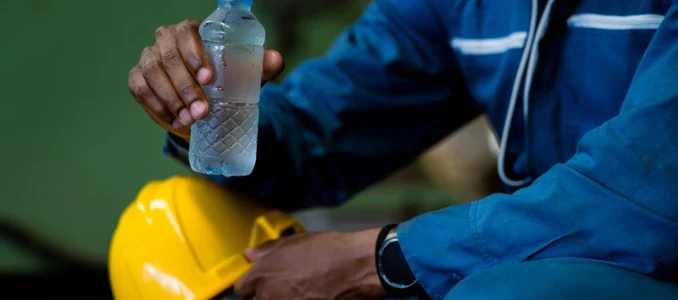
The rulemaking process, which formally commenced on August 18, is intended to address the unique challenges of indoor heat—a sector of workplace safety that has historically received less regulatory scrutiny than outdoor heat exposure. Officials are currently evaluating a broad spectrum of protective measures, including the implementation of temperature-based triggers, mandatory hydration and cooling protocols, structured rest breaks, comprehensive employee training programs, and formalized emergency response plans. To facilitate this complex regulatory development, L&I has scheduled six public engagement sessions throughout November, providing a platform for workers, industry representatives, and safety experts to contribute to the preliminary draft, which is expected to be finalized before further discussions in 2027.
The Evolution of Heat Stress Regulation
The move to regulate indoor heat follows a growing body of evidence linking ambient heat to decreased cognitive function, increased accident rates, and long-term health complications such as heat exhaustion, heat stroke, and cardiovascular strain. While Washington has already implemented rigorous standards for outdoor workers—mandating access to shade and water during high-heat conditions—indoor environments present distinct logistical hurdles. Unlike outdoor environments where shade is the primary mitigation tool, indoor heat often involves complex ventilation systems, machinery heat output, and humidity levels that require engineered solutions.
The chronology of this regulatory effort began in earnest following several seasons of record-breaking temperatures in the Pacific Northwest. In 2021, the Pacific Northwest heat dome served as a catalyst for state-level intervention, prompting regulators to examine not only the vulnerabilities of agricultural and construction workers but also the risks faced by indoor laborers in non-climate-controlled facilities. Throughout 2022 and 2023, the department gathered data on workplace injuries and illnesses related to heat, finding that even in environments perceived as "sheltered," temperature spikes frequently exceed the threshold of safety for prolonged physical exertion.
Examining the Regulatory Scope and Triggers
At the heart of the proposed rulemaking is the potential establishment of a "temperature trigger." This mechanism would function as an objective threshold—likely based on either ambient air temperature or a more nuanced Heat Index—that, when crossed, would automatically activate specific safety requirements.

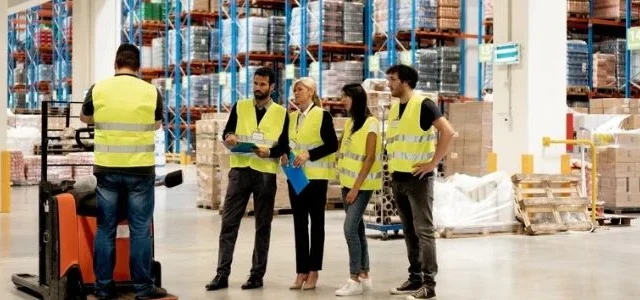
For many employers, the prospect of a mandatory trigger raises questions regarding operational feasibility. Industrial facilities, for instance, often deal with "process heat"—the heat generated by machinery itself—which makes controlling the total ambient temperature significantly more difficult than simply turning up an air conditioning unit. Industry stakeholders are expected to advocate for a "performance-based" approach, which would allow companies to meet safety goals through a combination of engineering controls (such as improved HVAC systems or spot cooling), administrative controls (such as modifying work-rest cycles), and personal protective equipment (PPE).
Conversely, labor advocates are pushing for prescriptive regulations that leave little room for ambiguity. They argue that without hard triggers, enforcement becomes difficult, and employers may be tempted to prioritize production quotas over worker safety. The inclusion of mandatory training is another focal point, as studies show that early recognition of heat-related symptoms—such as dizziness, profuse sweating, or confusion—is the most effective way to prevent catastrophic medical events.
Data-Driven Perspectives on Heat Stress
The economic and health-related implications of the proposed rule are significant. According to the Bureau of Labor Statistics (BLS), heat-related occupational illnesses remain underreported but have shown a steady upward trend over the last decade. In the manufacturing sector alone, heat stress has been linked to a 10% to 15% increase in error rates during high-temperature periods, as fatigue compromises manual dexterity and decision-making capabilities.

Furthermore, medical research indicates that the "acclimatization" period—the time it takes for a worker’s body to adjust to working in hot conditions—is a critical window for injury prevention. New hires or workers returning from long breaks are disproportionately represented in heat-related injury reports. Consequently, the L&I rulemaking is likely to include specific provisions for "acclimatization plans," requiring employers to gradually increase the duration and intensity of work for new employees during heat events.
The Consultation Process: A Strategic Approach
The series of public meetings scheduled for November is designed to gather diverse viewpoints to ensure the final rule is both effective and sustainable. The in-person sessions, which will be held in Tukwila, Ellensburg, Kennewick, and Spokane Valley, are strategically located to capture input from different economic regions of the state. These will be supplemented by two virtual sessions to ensure that rural stakeholders and those unable to travel can still participate in the democratic process.
L&I officials have emphasized that this is a "collaborative rulemaking" phase. By engaging stakeholders early, the agency hopes to minimize litigation and pushback once the formal draft is proposed. This approach reflects a broader trend in occupational safety, where state agencies are acting as facilitators of industry-wide standards rather than simply imposing top-down mandates.

Implications for Washington’s Workforce
If adopted, these regulations would place Washington at the forefront of indoor safety standards in the United States. While federal OSHA (Occupational Safety and Health Administration) has been working on a national heat standard, the process has been lengthy and subject to political volatility. By moving forward independently, Washington is signaling that the immediate health needs of its workforce cannot wait for federal consensus.
The implications for employers are twofold: first, there will be an immediate compliance burden regarding documentation, training, and potentially capital investment in cooling infrastructure. Second, there is the potential for long-term gains in worker retention and productivity. In a competitive labor market, businesses that prioritize the health and safety of their staff—particularly in challenging environments—often see lower turnover rates and reduced costs associated with workers’ compensation claims and lost productivity due to illness.
Looking Toward 2027
The timeline for this rulemaking is deliberately methodical. Following the November meetings, L&I will spend the remainder of 2025 and 2026 synthesizing the feedback, conducting economic impact analyses, and refining the language of the rule. The inclusion of additional meetings in 2027 ensures that the final draft remains responsive to the data collected during the intervening years.

For employers currently operating in Washington, the recommendation from safety consultants is to begin conducting a "heat hazard assessment" now. By identifying areas of their facilities that are prone to heat buildup—such as loading docks, near heavy machinery, or in areas with poor airflow—employers can prepare for the upcoming regulations and potentially implement proactive measures that exceed current baseline requirements.
As the state moves closer to defining these standards, the conversation will undoubtedly revolve around the balance between "feasibility" and "protection." However, the consensus among public health experts remains clear: as global average temperatures rise, the workplace of the future must be designed with thermal resilience as a fundamental pillar of design, not an afterthought. The Washington L&I process represents a critical step in codifying this necessity into the state’s regulatory framework, ensuring that the labor force remains protected against the invisible, yet potent, threat of indoor heat. Interested parties are encouraged to visit the official L&I rulemaking portal to review the current discussion documents, participate in the upcoming forums, and submit formal comments to shape the future of workplace safety in the Evergreen State.