Early Intervention and the Critical Period
Sensorineural hearing loss (SNHL) occurs when there is damage to the inner ear or the nerve pathways from the inner ear to the brain. In the United States, it is estimated that approximately two to three out of every 1,000 children are born with a detectable level of hearing loss in one or both ears. The neurological "critical period"—the window during which the brain is most plastic and receptive to developing language—is concentrated within the first three years of life.
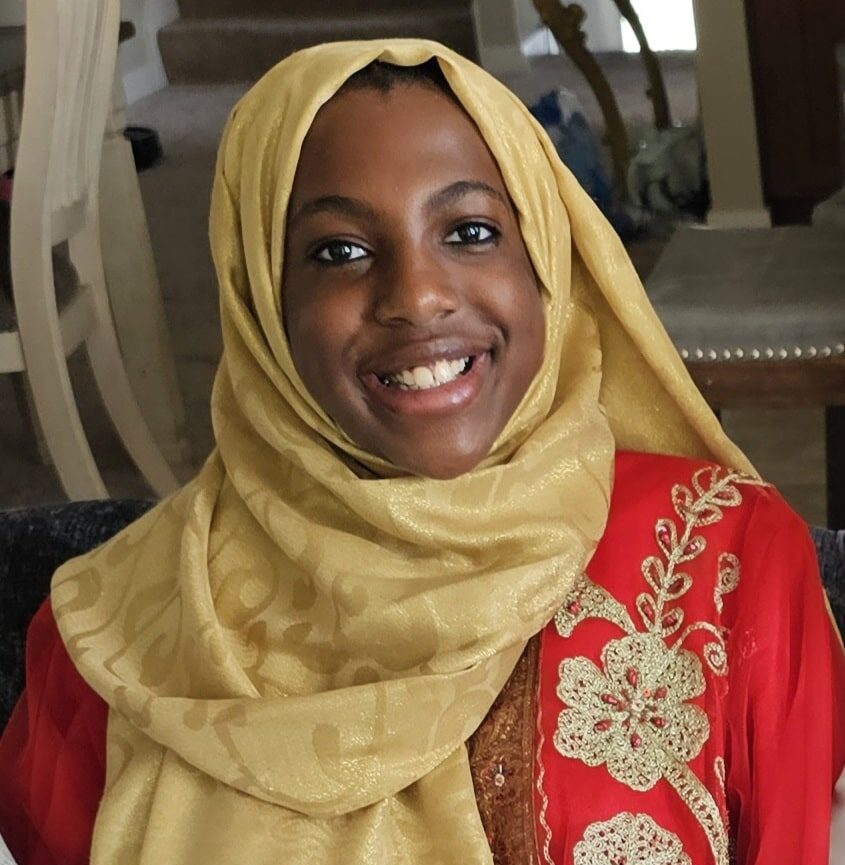
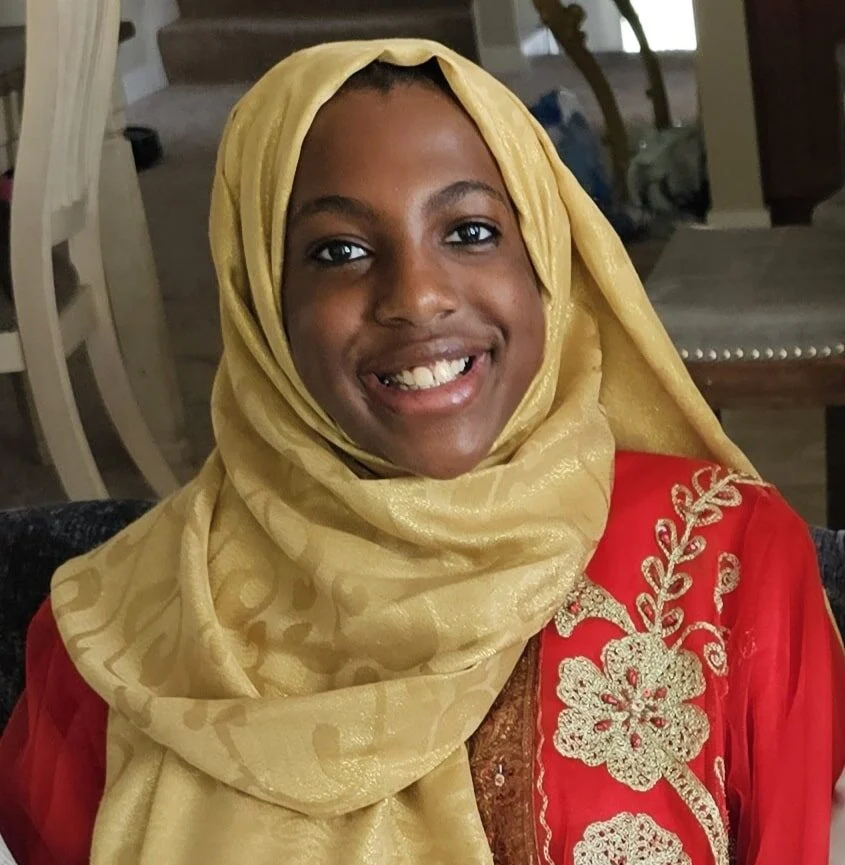
Amalia’s clinical trajectory began shortly after birth. At 10 months old, she underwent surgery to receive cochlear implants, a sophisticated medical technology designed to bypass damaged hair cells in the cochlea and directly stimulate the auditory nerve. However, medical intervention alone is rarely sufficient for optimal language acquisition. The success of such procedures is highly contingent upon the habilitation services that follow. Listen and Talk, the institution that supported Amalia, focuses on a multidisciplinary approach that combines audiology with speech-language pathology and specialized educational instruction.
By integrating Amalia into the "Birth to Three" program and subsequently the "Blended Classroom" model, the organization provided a scaffolding environment. In these settings, children with hearing loss are not merely taught to hear; they are taught to process and utilize auditory information to develop complex linguistic structures. This period is foundational, as it establishes the cognitive patterns necessary for literacy, social interaction, and academic reasoning.
Chronology of Development
The progression of Amalia’s development highlights the necessity of long-term commitment in pediatric healthcare. The chronology of her development can be categorized into three distinct phases:

- Infancy (0–3 years): The initial diagnosis and the implantation procedure. This period focused on sensory integration, where the focus was on ensuring the cochlear implants were mapped correctly and that Amalia was consistently exposed to a high-quality, language-rich environment.
- Early Childhood (3–6 years): Participation in the Blended Classroom. During this phase, the focus shifted toward peer-to-peer socialization and the acquisition of age-appropriate expressive and receptive language skills. The blended model is significant because it mimics the environment of a mainstream school, allowing students to navigate the complexities of classroom communication alongside peers who do not have hearing loss.
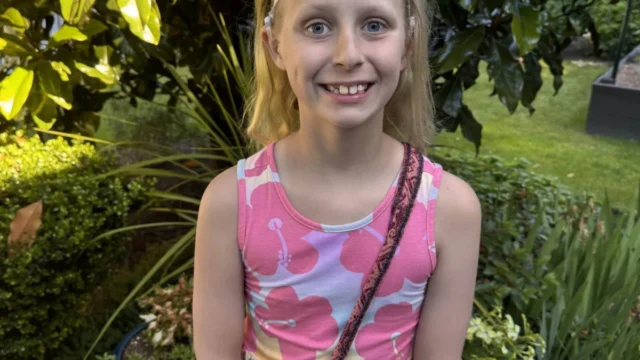
- Adolescence: Current status as a thriving student in a general education setting. This phase represents the "return on investment" of early intervention, where the child no longer requires the specialized, high-intensity support of their early years and is instead capable of navigating mainstream academic and extracurricular landscapes.
Broader Data on Cochlear Implantation and Outcomes
Clinical research supports the trends observed in Amalia’s life. Studies published in the Journal of Speech, Language, and Hearing Research indicate that children who receive cochlear implants before the age of 12 months, and who are subsequently enrolled in intensive spoken language programs, demonstrate language development rates that are statistically similar to their hearing peers by the time they reach school age.
The primary variable in these outcomes is the intensity and quality of the support system. Without such intervention, children with significant hearing loss are at a statistically higher risk for developmental delays in vocabulary, syntax, and social-emotional growth. The economic implications are also noteworthy; early intervention programs significantly reduce the long-term societal costs associated with special education services, as children are more likely to transition into general education classrooms and, eventually, the workforce, with fewer ongoing requirements for disability-related support.
The Role of Mainstream Integration
A pivotal aspect of Amalia’s story is her successful transition into a general education classroom. Integration is the ultimate objective for many pediatric hearing programs, yet it remains a significant challenge due to the complex auditory environments of modern schools. Factors such as classroom acoustics, background noise, and the rapid pace of verbal instruction can be overwhelming for students with hearing loss.

Amalia’s ability to participate in sports—including swimming, track and field, and basketball—serves as a functional testament to her communication success. These environments are notoriously difficult for individuals with hearing impairments due to high-decibel background noise, the lack of visual cues, and the need for instantaneous response. Her engagement in these activities suggests that her auditory processing skills have developed to a level of functional fluency that allows her to participate without the limitations that might otherwise isolate a student with hearing loss.
Official Perspective and Advocacy
The Alumni Family Giving Campaign, to which Amalia’s story is attached, is a strategic initiative designed to sustain the infrastructure required for these high-level outcomes. Listen and Talk has articulated a vision summarized by the phrase, "no child is limited by hearing loss." This vision is not merely aspirational; it is built on the empirical reality that with current medical and therapeutic technologies, hearing loss is no longer an inherent barrier to academic or social achievement.
Representatives from similar organizations often emphasize that the success of a student like Amalia is the result of a "triad of support": the medical professionals, the specialized educators, and the family. In Amalia’s case, her family’s early commitment to the listening and spoken language approach was the engine that powered her progress. The campaign aims to ensure that such services remain accessible regardless of a family’s financial status, recognizing that the disparity in early access to intervention is one of the greatest predictors of long-term success for deaf and hard of hearing children.

Implications for Future Policy and Practice
The success of the Listen and Talk model underscores several important implications for the future of special education and pediatric medicine:
- Standardization of Early Screening: The importance of Universal Newborn Hearing Screening (UNHS) cannot be overstated. Because Amalia’s hearing loss was identified early, the window for intervention was maximized.
- Emphasis on Spoken Language: While many paths exist for the deaf and hard of hearing community, including those centered on sign language, the success of the LSL approach highlights the importance of providing families with robust, high-quality, and evidence-based options for oral development.
- Sustainability of Non-Profit Support: Many of the services that allow children to bridge the gap between diagnosis and mainstream success are funded through a mix of private insurance and charitable contributions. As healthcare costs rise, the role of philanthropic campaigns becomes increasingly vital to maintain the professional expertise necessary for specialized therapy.
Conclusion
Amalia Faraji’s transition from a child requiring intensive early intervention to a versatile athlete and student is an indicator of the progress made in the field of audiology and special education over the last two decades. Her story is not an outlier, but rather a reflection of what is possible when timely medical intervention is paired with consistent, expert-led habilitation.
As Listen and Talk continues its 2026 fundraising efforts, the focus remains on the scalability of this model. The objective is to ensure that the "foundation for a bright future" described in Amalia’s case is a standard experience for all children born with hearing loss, rather than a privilege. By bridging the gap between clinical intervention and real-world participation, programs like this continue to redefine the boundaries of what is possible for the next generation of students with hearing loss, proving that with the right support, the limitations once associated with sensory impairment can be systematically dismantled.