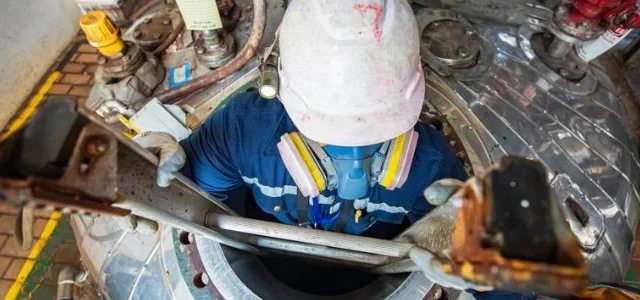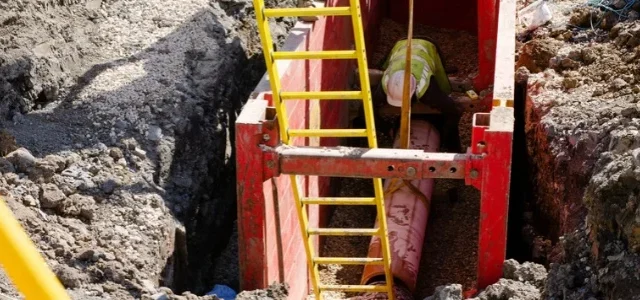

Carbon monoxide is frequently referred to as the "silent killer" due to its physical properties: it is entirely colorless, odorless, and tasteless. It is a byproduct of incomplete combustion, produced whenever fuels—including gasoline, diesel, propane, natural gas, kerosene, and wood—are burned. In an industrial or construction setting, this means that portable generators, gas-powered pressure washers, overhead heaters, and internal combustion forklifts all serve as potential sources of the gas. When these machines are operated in enclosed or semi-enclosed spaces, the concentration of CO can reach hazardous levels in a matter of minutes.
The Seasonal Catalyst for Workplace Hazard
The correlation between dropping temperatures and CO-related workplace incidents is well-documented by safety agencies. During warmer months, facilities often operate with doors and windows open, providing natural cross-ventilation that allows gases to dissipate. As temperatures fall, facility managers and construction crews often close these openings to maintain thermal comfort. This reduced air exchange is the primary catalyst for CO accumulation.

According to federal data, the risk is not limited to large-scale industrial plants. Small workshops, residential construction sites, and temporary job sites are often at greater risk because they may lack the complex ventilation systems required to scrub or exhaust harmful gases. TOSHA’s advisory serves as a preemptive strike, encouraging facility managers to conduct thorough site inspections before the coldest weeks of the year arrive.
A Chronology of Risk and Regulation
The history of carbon monoxide regulation in the workplace is rooted in decades of industrial accidents. Historically, the construction industry has faced the highest frequency of CO-related fatalities, particularly during winter projects involving concrete curing heaters.

In the 1990s and early 2000s, OSHA implemented more stringent reporting requirements for chemical exposures, bringing the severity of CO poisoning into the public eye. Over the last two decades, the focus has shifted from reactive measures—such as responding to an emergency call—to proactive administrative controls. Today, TOSHA’s seasonal warnings are part of a broader national strategy to lower the average of approximately 400 non-fire-related CO deaths that occur annually in the United States, a significant portion of which are workplace-related.
Understanding the Physiological Impact
The danger of carbon monoxide lies in its ability to bind with hemoglobin in the blood more effectively than oxygen. When a worker breathes in CO, the gas displaces oxygen in the bloodstream, effectively starving the heart, brain, and other vital organs of the oxygen they require to function.

Early symptoms are notoriously deceptive, frequently mimicking the onset of a common cold or the flu. Workers may report:
- Persistent, dull headaches
- Dizziness or lightheadedness
- Unexplained weakness or fatigue
- Nausea and vomiting
- Confusion or difficulty concentrating
- Drowsiness
Because these symptoms are common to many ailments, they are often dismissed by workers until the concentration of CO reaches a point of acute toxicity. As exposure levels rise, the symptoms escalate rapidly to loss of coordination, seizures, loss of consciousness, and eventually, if the worker is not removed from the environment, death. The cognitive impairment caused by early-stage exposure is particularly dangerous, as it may prevent the victim from recognizing the need to leave the area or even from understanding that they are in danger.

Best Practices for Mitigation and Prevention
TOSHA emphasizes that the responsibility for safety rests on a foundation of both engineering controls and administrative oversight. To mitigate the risks, employers are urged to follow a hierarchy of safety protocols:
- Equipment Maintenance: Ensure all fuel-burning equipment is serviced according to manufacturer specifications. Engines that are not properly tuned are significantly more likely to produce excess carbon monoxide.
- Ventilation Management: Never operate internal combustion engines indoors unless the space is specifically designed for such activity and equipped with a verified exhaust ventilation system.
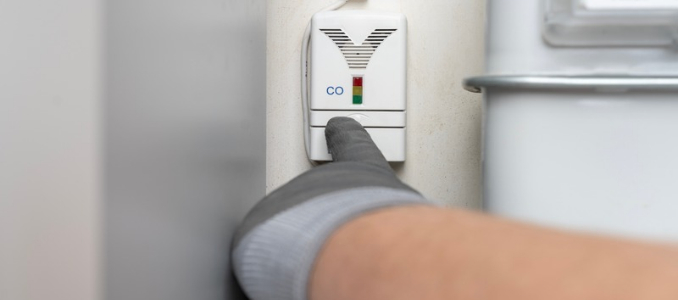
- Sensor Deployment: The use of portable carbon monoxide detectors is highly recommended. Unlike human senses, these devices provide a clear, auditory or visual alarm when gas levels approach dangerous thresholds.
- Administrative Zoning: Employers should establish "no-run" zones for gasoline-powered equipment and, where possible, transition to electric alternatives, such as electric forklifts or battery-powered pressure washers, which eliminate the risk of CO emissions entirely.
- Training Programs: Employees must be educated on the symptoms of CO poisoning and the importance of reporting suspected leaks immediately. A workplace culture that encourages reporting without fear of reprisal is essential.
Official Response and Policy Implications
While specific statements from business owners vary, safety consultants across Tennessee note that the cost of implementing these precautions is negligible compared to the legal and human cost of a workplace fatality. Industry analysts observe that the economic impact of a CO incident—including medical expenses, regulatory fines, and potential litigation—often outweighs the investment in modern, safer equipment or proper ventilation systems.

The implications for employers are significant. Failure to address known risks can result in citations under the General Duty Clause of the Occupational Safety and Health Act, which requires employers to provide a place of employment free from recognized hazards that are causing or are likely to cause death or serious physical harm.
Moving Toward a Culture of Awareness
As the winter season progresses, the vigilance of both the employer and the individual worker remains the most effective defense against carbon monoxide. If a worker suspects that CO is present—or if symptoms begin to manifest—the response must be immediate:

- Evacuate the area at once to reach fresh air.
- Contact emergency services or medical personnel to assess the level of exposure.
- Do not re-enter the area until the source of the gas has been identified, the equipment has been deactivated, and the space has been ventilated.
The Centers for Disease Control and Prevention (CDC) continues to work in tandem with OSHA to provide educational resources that help translate complex medical data into actionable workplace safety guidelines. By synthesizing these resources, Tennessee employers can ensure that their operations remain productive throughout the winter months without compromising the safety of their personnel.
Ultimately, the seasonal warning from TOSHA is more than a administrative reminder; it is a vital call to action. In an era where workplace safety standards are increasingly rigorous, the failure to manage a well-known, preventable hazard like carbon monoxide is viewed as a significant oversight in organizational management. By prioritizing equipment maintenance, ventilation, and employee education, Tennessee workplaces can successfully navigate the colder months with a zero-incident objective. For further guidance, employers are encouraged to consult the detailed fact sheets provided by federal OSHA and the CDC, which offer comprehensive checklists for high-risk industrial and construction environments.