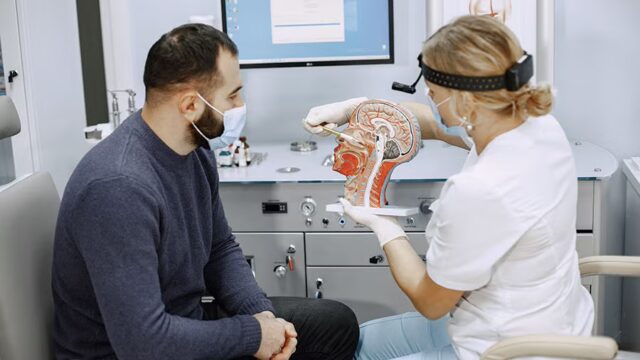
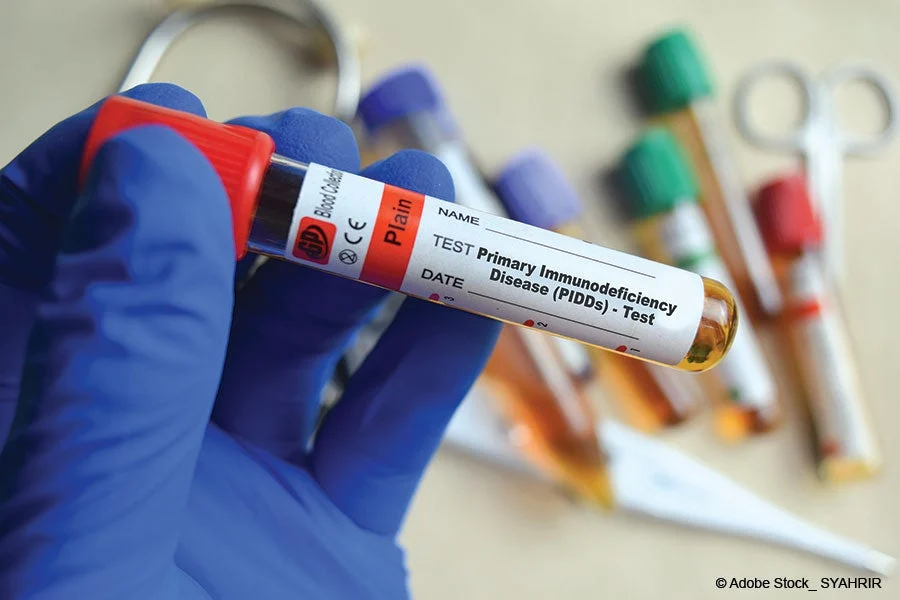
Recent discourse within the otolaryngology community, highlighted in publications like ENTtoday, underscores the critical need for ENT physicians to cultivate both curiosity and self-awareness when evaluating patients with persistent sinonasal issues. Dr. Jay Shah, medical director of the pediatric aerodigestive program at University Hospitals of Cleveland Medical Center and associate professor at Case Western Reserve University School of Medicine, emphasizes that a failure to achieve lasting symptom control after interventions like endoscopic sinus surgery necessitates a humble re-evaluation. "Sometimes we have to be humble and ask, why did it fail? Was it surgical or was there something else?" Dr. Shah posited, reflecting a sentiment shared by many who have witnessed repeated treatment failures.
He further elaborates that in many of his refractory CRS patients, the lack of response stems not from surgical missteps but from an intrinsic inability of their innate immunity to effectively combat the underlying issues that necessitated the surgery in the first place. This perspective shift is crucial, as PID, a group of genetic disorders that impair the immune system’s ability to fight infections, can manifest in as many as a quarter of these resistant cases. ENT physicians, by virtue of their frequent encounters with recurrent sinonasal and otologic infections, are uniquely positioned to identify these often-overlooked conditions.
Identifying the Red Flags: A Call for Vigilance
The challenge, as articulated by experts like Dr. Shah and Dr. Chadi A. Makary, chief of rhinology and endoscopic skull base surgery at West Virginia University, lies in recognizing the subtle yet persistent signs that point towards an underlying immune deficiency. Dr. Shah, in his presentations at forums such as the Immunoglobulin National Society’s National Conference, has advocated for a proactive approach, urging physicians to look for specific "red flags." These indicators include a history of eight or more ear infections in a year, two or more serious sinus infections requiring IV antibiotics, or a persistent thrush infection lasting longer than two months in infants.
Beyond these direct sinonasal and otologic concerns, a constellation of other symptoms should raise suspicion. Chronic or recurrent pneumonia, bronchiectasis, obstructive pulmonary disease, and recurrent meningitis or sepsis are significant warning signs. Similarly, frequent gastrointestinal and cutaneous infections, alongside an increased susceptibility to respiratory infections, should prompt a deeper investigation into the patient’s immune function.
The Pivotal Role of Immunological Testing
When these signals converge, the next critical step is to differentiate between a general state of under-immunization and a true PID. A practical and effective strategy championed by Dr. Shah involves the administration of the Pneumovax 23 (PPSV23) vaccine. This pneumococcal polysaccharide vaccine is designed to assess the immune system’s capacity to produce immunoglobulins. By measuring antibody titers before and after the vaccine, clinicians can gauge the immune system’s response. A significant increase in antibody titers, from a baseline around 0.1 to 7.20, indicates that the patient’s immune response to earlier vaccinations, typically the pneumococcal conjugate vaccine (PCV), may have waned. In such instances, a PPSV23 booster might be sufficient to bolster immunity and interrupt the cycle of recurrent infections.
However, if antibody titers remain low even after the PPSV23 booster, this becomes a substantial red flag for PID, necessitating a consultation with an immunologist. A 2023 study published in the Annals of Otology, Rhinology & Laryngology by Bonaventure and colleagues lends significant weight to this approach. The study examined 242 pediatric patients (ages 0-21) primarily diagnosed with recurrent acute otitis media, chronic rhinitis, and chronic otitis media with effusion who had completed the PCV schedule. Alarmingly, only 27% demonstrated protective immunity from prior PCV vaccinations. Upon revaccination with PPSV, a remarkable 91.8% achieved protective antibody responses. This highlights that the remaining 10% of non-responders are the individuals most likely to benefit from immunologic evaluation and targeted immunotherapy, rather than repeated antibiotic courses or further surgical interventions.

For ENT physicians in tertiary care settings, where patients are often referred after multiple failed treatments, this 10% figure might even be an underestimate of the PID prevalence. Dr. Shah frequently encounters parents recounting frustrating stories of interventions that have yielded no lasting benefit. In many of these cases, collaboration with immunology departments has led to the identification of PID, initiation of immunoglobulin (Ig) therapy, and subsequent dramatic improvements, effectively breaking the cycle of ineffective surgical and antibiotic treatments.
Navigating the Diagnostic Pathway: Initial Steps for ENTs
While access to immunologists may vary, particularly in non-academic settings, ENT physicians can initiate preliminary immunologic workups. Dr. Makary suggests a foundational panel that includes a complete blood count (CBC) with differential, quantitative serum immunoglobulin levels (IgG, IgA, and IgM), and an assessment of functional antibody responses, particularly pneumococcal vaccine titers. Depending on the clinical presentation, further tests like tetanus antibody titers, lymphocyte subsets, or complement studies may be warranted, though these are often best guided by an immunologist.
The ultimate goal, as Dr. Makary emphasizes, is not merely to identify an abnormal laboratory value but to ascertain if the patient has a clinically significant immune deficiency that requires treatment. Immunologists possess the expertise to conduct comprehensive testing, interpret complex results, evaluate vaccine responses, and determine the appropriateness of therapies such as immunoglobulin replacement.
Evaluating Treatment Efficacy: A Nuanced Landscape
The efficacy of immunoglobulin (Ig) therapy in patients with CRS and immune dysfunction is a subject of ongoing research, with evidence presenting a mixed picture. Dr. Makary and his colleagues, in their comprehensive reviews, have examined the available literature. On one hand, a study involving 58 patients with CRS and primary antibody deficiency (PAD) found that 58.6% of those receiving Ig replacement therapy experienced no acute infections during a follow-up period of 4.2 years.
Conversely, other studies have yielded different outcomes. A study of 22 patients with immunoglobulin deficiency and resistant CRS reported that all patients failed intravenous immunoglobulin (IVIG) therapy and subsequently required surgery. Furthermore, a large trial of 224 patients with common variable immunodeficiency (CVID), a common form of PAD, revealed that while IVIG significantly reduced the incidence of acute infections like pneumonia and otitis, a progressive increase in chronic rhinosinusitis and lung disease was observed in all age groups, including pediatric patients.
Despite these varied results, the evidence-based review conducted by Dr. Makary and his team concluded that the efficacy and safety data for Ig therapy, taken collectively, were compelling enough to support a "preponderance of benefit over harm." They posited that Ig treatments should be considered a viable option for patients with CRS and immune dysfunction.
The Unseen Cost of Delayed Diagnosis
The implications of missing or inadequately managing PID in CRS patients are profound. Dr. Makary highlights the substantial cumulative healthcare burden, which extends beyond repeated antibiotic courses and imaging studies to include costly emergency department visits, hospitalizations, and multiple surgical procedures. During this diagnostic odyssey, ongoing inflammation can lead to irreversible mucosal remodeling and progressive upper and lower airway damage. While surgery can alleviate symptoms and facilitate topical therapies, it cannot rectify the underlying immune deficiency, leading to a high likelihood of disease recurrence if the immunologic disorder remains untreated.
The call to action for ENT physicians is clear: "test more for immune deficiency," as stated by Dr. Makary. He underscores that the baseline assays are relatively simple and quick laboratory tests that can yield transformative insights, leading to significant improvements in patients’ lives when properly identified and managed.

A Comprehensive Approach to Immune Deficiency Screening
Aaron N. Pearlman, MD, FACS, an associate professor of clinical otorhinolaryngology at Weill Cornell Medical College, echoes the sentiment that ENT physicians are well-equipped to initiate immune function testing in CRS patients. He concurs that assessing Pneumovax 23 (PPSV23) titers is an excellent starting point. If titers are high, it suggests adequate immunity. If they are low and a booster elicits a response, it indicates a need for updated immunizations, often seen in individuals who are overdue for vaccinations.
However, for patients who do not respond to the PPSV23 booster, Dr. Pearlman recommends further investigation, typically beginning with quantitative immunoglobulins (IgG, IgA, IgM). He also stresses the importance of evaluating a CRS patient’s response to the Haemophilus influenzae type b (HiB) vaccine, as this bacterium is a common cause of recurrent sinus infections. A potential challenge arises because the HiB vaccine is primarily administered in pediatric settings, and adults may not have access to a booster, potentially leading to lost follow-up. Dr. Pearlman advocates for establishing workflows to ensure patients receive boosters and have their titers retested, emphasizing that this responsibility falls on the ENT physician to prevent diagnostic breakdowns.
Dr. Pearlman’s research interests lie in the immunologic basis of sinus disease. A 2020 study he co-authored identified IgM deficiencies as the most common abnormality in pediatric patients with CRS or recurrent acute rhinosinusitis, followed by IgA deficiencies. The study also revealed an increased incidence of insufficient protective titers to polysaccharide vaccines and HiB titers. Based on these findings, Dr. Pearlman suggests that high-yield testing in children with recurrent sinus disease should focus on titers to polysaccharide antigens like Strep pneumo and H. influenzae, while thyroid studies and tests for tetanus and diphtheria antibodies might be deferred during initial screening.
The Evolving Landscape of Sinus Disease Management
Dr. Pearlman’s reflections highlight a paradigm shift in understanding chronic sinusitis, moving from a purely infectious model to one that incorporates inflammatory conditions potentially triggered by immune dysfunction. While straightforward cases of under-immunization may not require an immunologist consult, complex non-responder cases necessitate expert evaluation. He emphasizes the importance of not hesitating to seek an immunologist’s assistance when the immunologic picture becomes intricate.
It is crucial to acknowledge that not all patients with documented immune dysfunction will respond to treatments like Ig therapy, as the causal relationship between CRS and specific immune deficits is not always direct. Nevertheless, Dr. Pearlman has witnessed significant improvements in his practice, with patients experiencing a marked reduction in the frequency of sinus infections. He advises physicians to be prepared for variability in treatment outcomes.
Furthermore, Dr. Pearlman underscores the need for a persistent and comprehensive approach when managing CRS patients with suspected immune dysfunction. This includes diligent follow-up to ensure the correct immune function tests are ordered and their results are thoroughly analyzed by the care team, as well as proactively seeking immunologist consultations. He cautions against complacency, reminding practitioners that these non-responders, though perhaps a smaller segment of their patient base, demand equally, if not more, dedicated attention to break the cycle of recurrent sinus disease and failed treatments.
The Immunoglobulin National Society (IgNS) has recognized this critical diagnostic gap through its "Think PI" initiative, an educational program designed to empower specialists outside of immunology, including otolaryngologists and pulmonologists, to identify potential immune disorders. The program aims to provide a clear framework for when to suspect PID, what initial tests to order, and when to refer to a clinical immunologist. This proactive educational effort is vital in preventing irreversible organ damage and improving long-term outcomes for patients, particularly those with common variable immunodeficiency (CVID). By streamlining the diagnostic process, Think PI seeks to shorten the often-lengthy journey to diagnosis, which can span a decade or more for many individuals with antibody deficiencies.
The implications of this awareness shift are far-reaching. By integrating a more robust immunologic evaluation into the standard care of refractory CRS patients, ENT physicians can unlock new avenues for effective treatment, potentially sparing patients years of debilitating illness and reducing the significant healthcare costs associated with chronic, unresolved sinonasal disease. The message is clear: the answer to persistent sinus problems may not always be found in the sinuses themselves, but within the intricate workings of the immune system.