A Legacy Born in a Basement
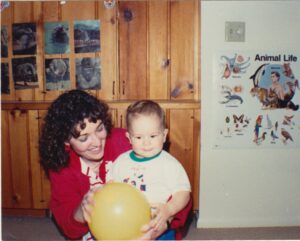
The history of Listen and Talk is deeply intertwined with the vision of its founder, Star Leonard-Fleckman. Almost three decades ago, Leonard-Fleckman, a teacher of the deaf and an auditory-verbal therapist, recognized a critical gap in the educational landscape for children with hearing loss. Her initial effort—a small therapy practice operating out of the basement of her own home—was predicated on the belief that children with hearing loss could, with the right intervention and technology, learn to listen and communicate through spoken language.
This early, localized effort has since evolved into a multifaceted organization serving more than 200 families across Washington state. The current operational scope of Listen and Talk includes a sophisticated array of services: a comprehensive Birth to Three program, specialized audiology services, intensive therapy sessions, and a unique Blended Classroom Program. These services are delivered through a hybrid model, utilizing both in-person sessions at the Kirkland facility and virtual outreach to ensure accessibility for families in geographically diverse or underserved areas.
The Evolution of Auditory-Verbal Therapy
The core methodology at Listen and Talk is built upon the foundation of auditory-verbal therapy (AVT). This approach shifts the focus from traditional visual-based communication to the development of the brain’s ability to process sound. By leveraging modern hearing technology, such as cochlear implants and advanced hearing aids, the organization provides a pathway for children to navigate a hearing world without the reliance on interpreters.
The pedagogical goal is self-advocacy. By coaching parents and engaging directly with children, the organization fosters an environment where students learn to reason, think independently, and articulate their thoughts with clarity. This developmental trajectory is designed to prepare children for mainstream educational settings, ensuring they are not limited by their hearing loss in their social, academic, or professional lives.

Success of the Inaugural Walk, Run, and Roll
The inaugural Walk, Run, and Roll fundraiser marked a pivot point in the organization’s financial strategy. By moving beyond traditional donor solicitation toward a community-based, active engagement model, Listen and Talk successfully activated a wider support network. The initiative saw participants ranging from toddlers to centenarians, with satellite walks held in Edmonds, Woodinville, the Olympic Peninsula, and Green Lake, effectively expanding the nonprofit’s visibility across the region.
The financial results of the event have exceeded initial projections. The campaign raised over $10,000 in community contributions, which was subsequently matched by a generous donation from Leonard-Fleckman. As of late October, the total funds raised surpassed $26,000. These resources are earmarked for the enhancement of current clinical programs and the expansion of outreach efforts to ensure that the organization can continue to serve families regardless of their linguistic background. Notably, Listen and Talk currently serves families who speak more than 30 different languages, providing them with the tools to communicate effectively in the language of their home.
Community Impact and Alumni Engagement
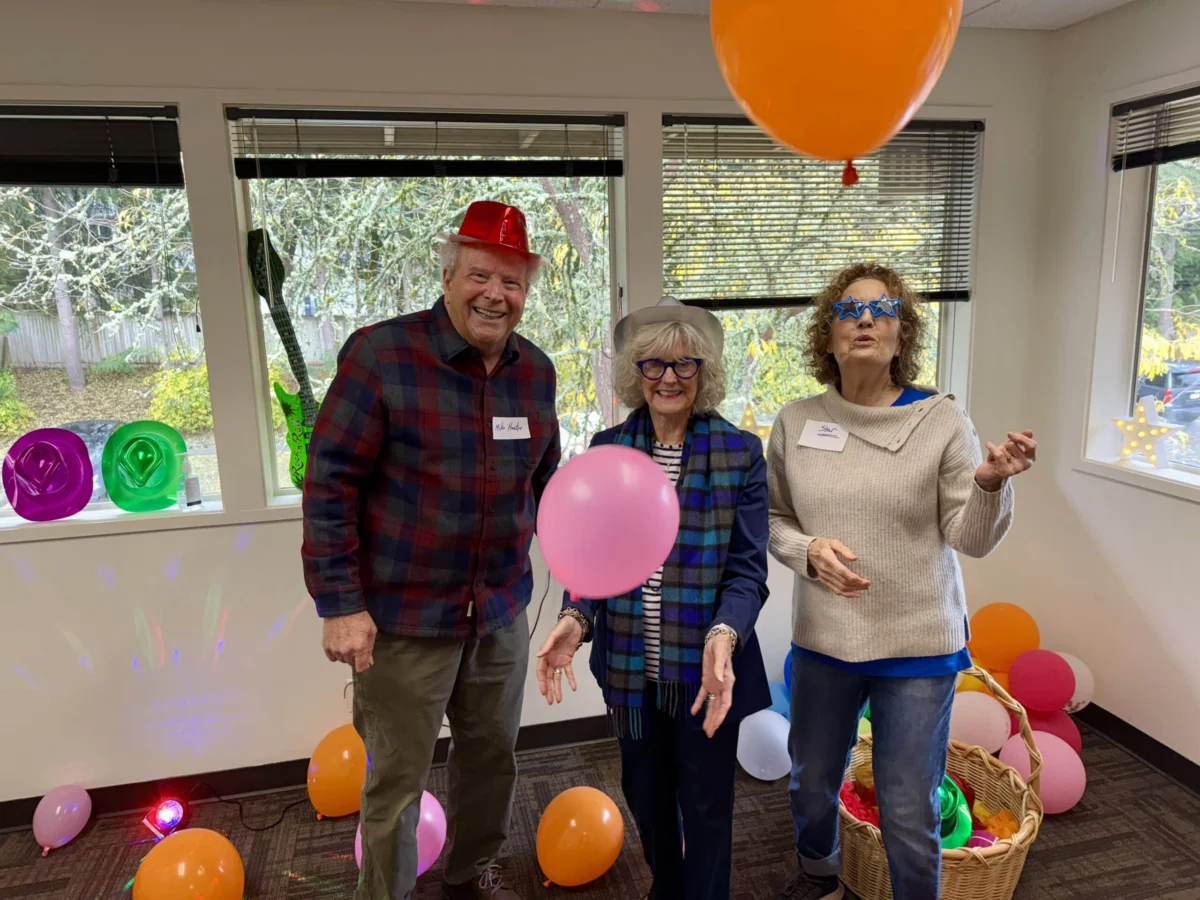
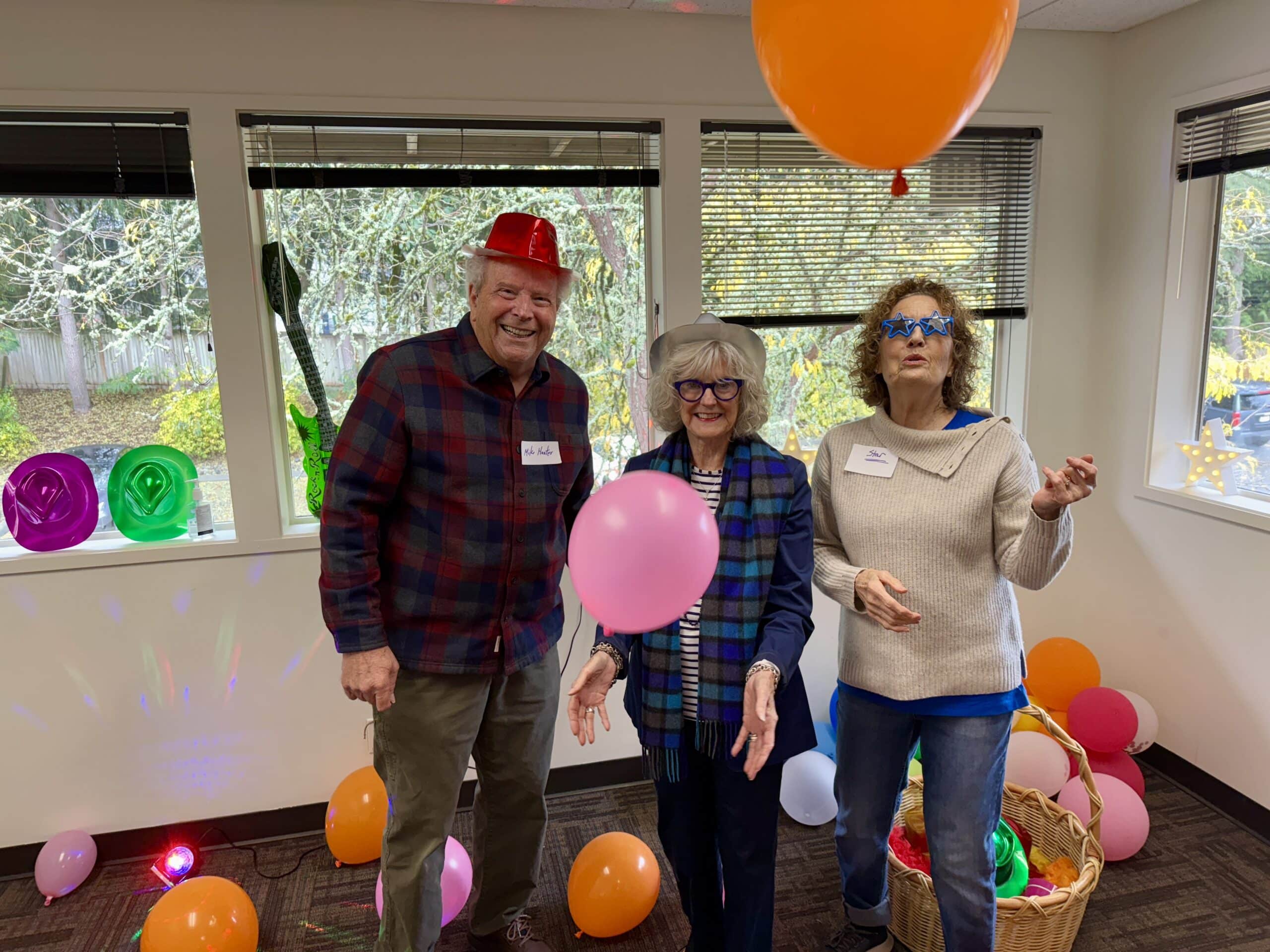
A highlight of the Founder’s Day event was the convergence of multiple generations of Listen and Talk alumni. The presence of former students—some of whom are now returning to the organization as parents of a new generation of learners—provided a tangible testament to the program’s long-term efficacy.
During the "Story Time with Star" segment held in the Discovery Room, the multi-generational crowd observed firsthand the continuity of the organization’s mission. The event served not only as a nostalgic reunion but also as a demonstration of the advancements in hearing technology. As alumni watched their own children engage with the same foundational learning techniques they once experienced, the event highlighted the evolution of the organization’s capacity to integrate cutting-edge audio technology with traditional speech therapy.
Financial and Operational Implications
The funds secured during the Walk, Run, and Roll event come at a pivotal time for the organization. As the demand for specialized early intervention services increases, so does the cost of maintaining high-quality, individualized care. The proceeds are intended to bridge the gap between public funding and the actual cost of providing high-intensity therapy and audiology services.
"The goal is to ensure that no child is limited by their hearing loss," noted Executive Director Maura Berndsen during the festivities. From an administrative perspective, the successful fundraiser provides the capital necessary to sustain the organization’s outreach programs. By diversifying its revenue stream, Listen and Talk is positioning itself to weather potential fluctuations in state funding and philanthropic climate, ensuring long-term institutional stability.
The Road Ahead: 30 Years and Beyond
As Listen and Talk approaches its 30th anniversary, the organization is pivoting its strategic focus toward sustainable growth and broader inclusivity. The recent celebration served as a barometer for the organization’s health; the high level of volunteerism and donor participation suggests a robust commitment from the community.
Looking forward, the organization plans to continue refining its Blended Classroom model, which integrates students with hearing loss into diverse social and academic environments. The emphasis remains on the "language of the home," ensuring that therapeutic gains do not come at the expense of a family’s cultural or linguistic heritage.
Furthermore, the data collected from the 29-year longitudinal experience of the organization suggests that early, consistent access to listening and spoken language education is the primary determinant in the success of children with hearing loss. The continued investment in parent education remains a pillar of this strategy, as the organization recognizes that the most effective intervention occurs within the family unit.

Conclusion
The Founder’s Day and Walk, Run, and Roll event was more than a celebratory anniversary; it was a strategic validation of the organization’s foundational mission. By bridging the past—symbolized by the original home-based therapy model—with the present—evidenced by modern, data-driven, and community-integrated services—Listen and Talk has solidified its role as a vital node in the regional health and education network.
For families currently navigating the complexities of a child’s hearing loss diagnosis, the event served as a beacon of possibility. Through the continued support of the community, donors, and the dedication of its staff, Listen and Talk remains committed to its core assertion: that through the power of sound and communication, every child has the potential to thrive. As the organization prepares for its next chapter, the success of the recent fundraiser provides a strong fiscal foundation, ensuring that the dream that began in a basement 29 years ago will continue to shape the lives of future generations. Interested parties and prospective donors are encouraged to visit the Listen and Talk website to view the ongoing impact of these programs and to contribute to the sustained efforts to provide equitable access to education for all children.