The Clinical Context of Auditory Neuropathy Spectrum Disorder
Auditory Neuropathy Spectrum Disorder is a unique condition where sound enters the ear normally, but the transmission of signals from the inner ear to the brain is disrupted. Unlike typical sensorineural hearing loss, where hair cells in the cochlea are damaged, ANSD often involves the auditory nerve or the inner hair cells themselves. According to the National Institute on Deafness and Other Communication Disorders (NIDCD), this condition can present with varying degrees of severity, often resulting in poor speech perception that is disproportionate to the actual degree of hearing loss measured on an audiogram.
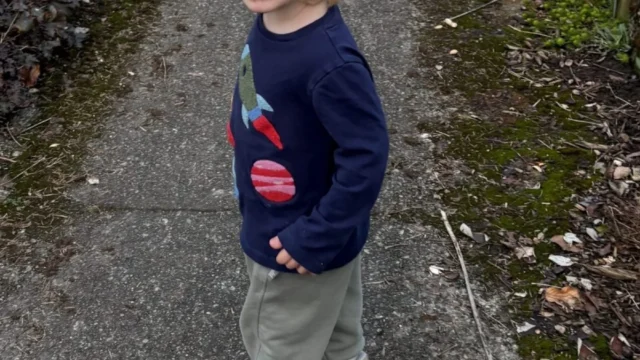
For Raiden, the diagnosis revealed moderate to severe hearing loss at specific pitches, necessitating the use of hearing amplification technology to assist in his linguistic development. Early diagnosis, typically occurring within the first few months of life, is critical. Research consistently indicates that children who receive intervention—including hearing aids, cochlear implants, or specialized therapy—before the age of six months show significantly better outcomes in vocabulary growth and speech-language development compared to those who receive intervention later.
A Chronology of Early Intervention
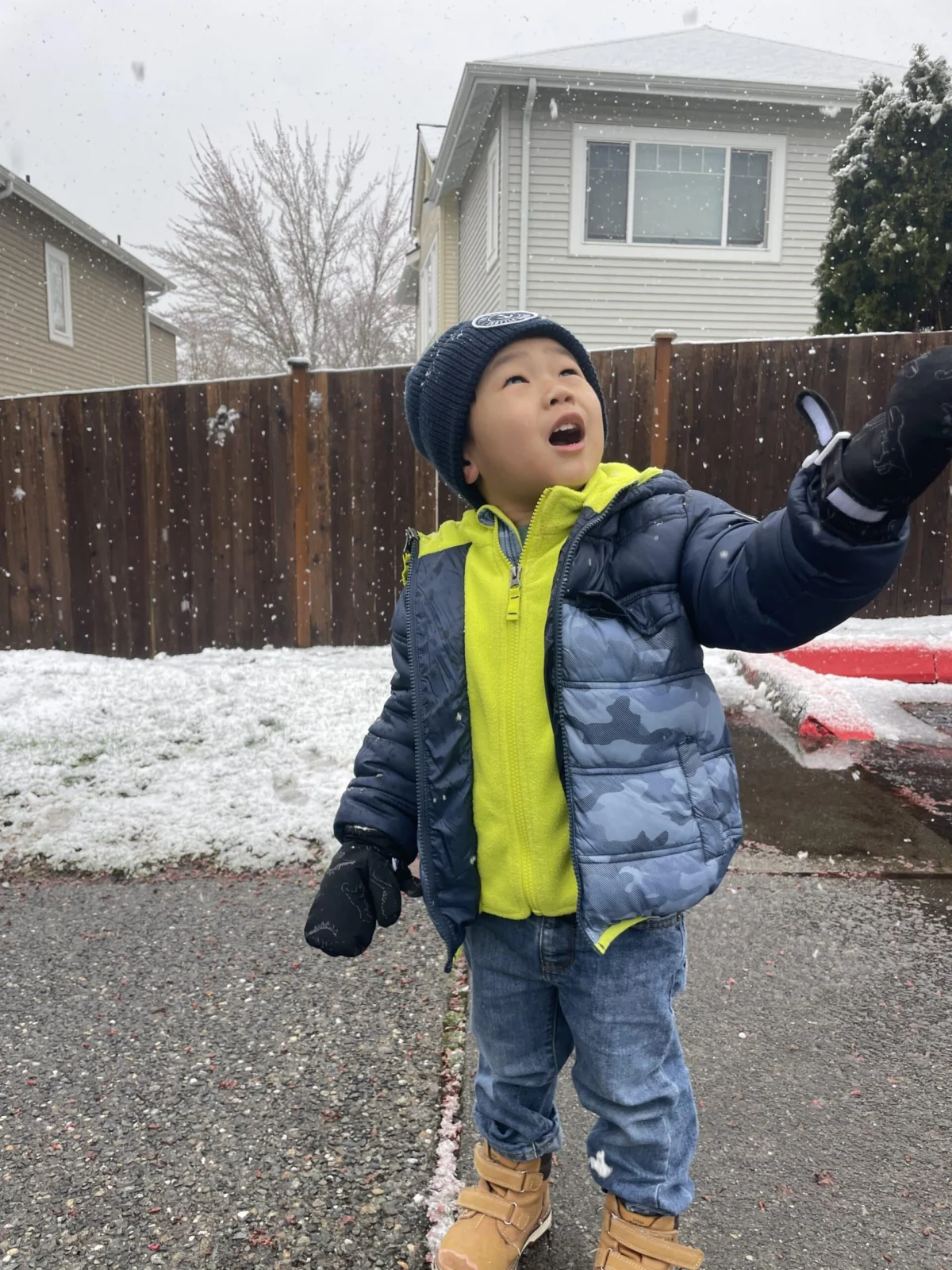
Raiden’s experience highlights the standard, yet challenging, trajectory for families of children with hearing loss. Following the initial diagnosis in infancy, the family engaged in ongoing clinical monitoring to better understand the nuances of his hearing capabilities. By the fall of the most recent academic year, the family made the strategic decision to transition Raiden into the Blended Classroom program at Listen & Talk.
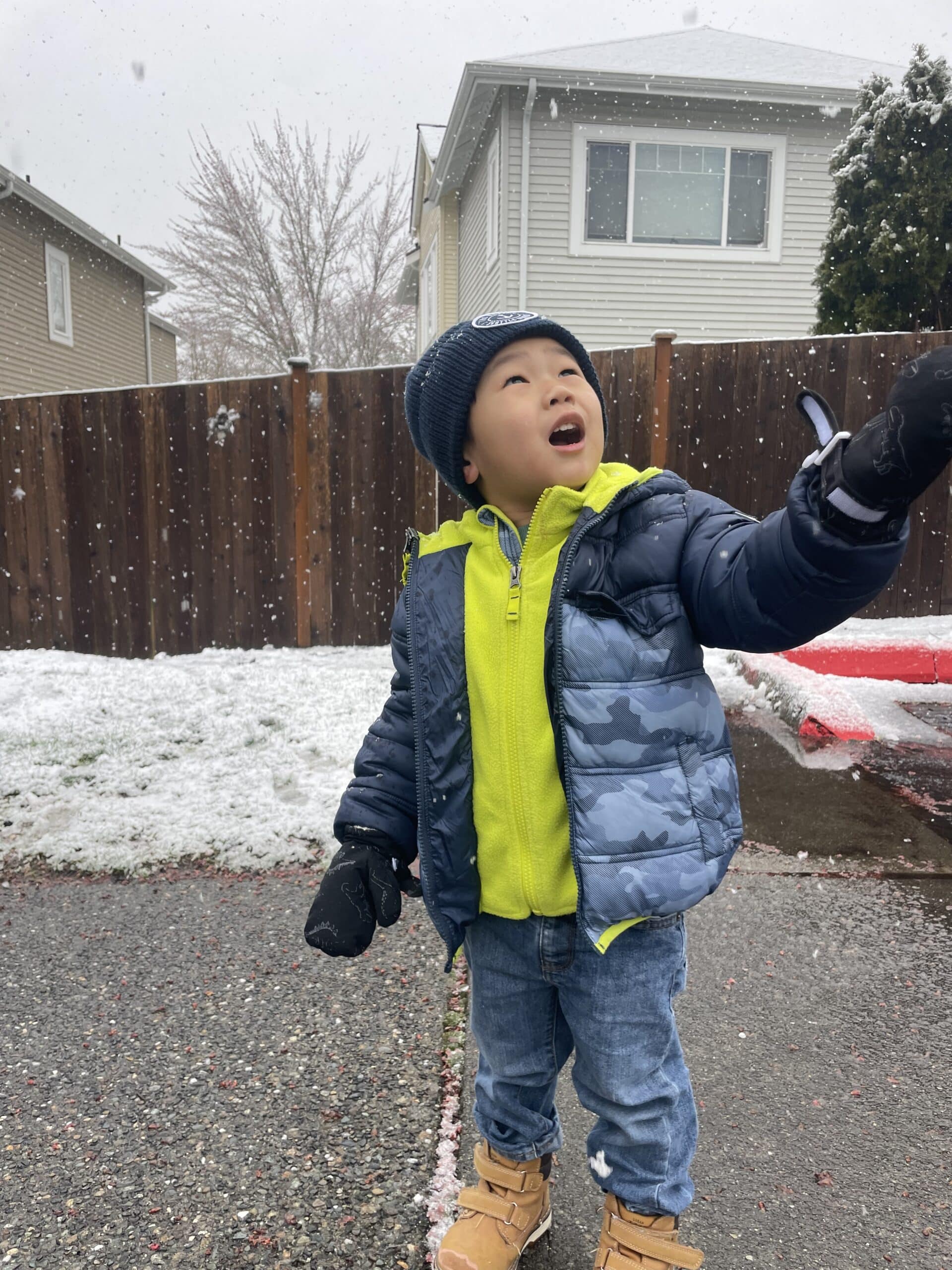
The decision was not made lightly. The family weighed the convenience of a local preschool against the long-term benefits of a specialized campus located nearly an hour away. The transition was driven by the availability of on-site audiological services and the specific integration of classroom amplification technology, which ensures that the acoustic environment is optimized for students with hearing devices. Within a few months of enrollment, the family observed a significant shift in Raiden’s engagement with his hearing aid—moving from initial resistance to consistent wear—and a marked improvement in his expressive language, progressing from single-word utterances to complex three-to-four-word phrases.
The Pedagogical Framework: Why Blended Classrooms Work
The "Blended Classroom" model serves as a bridge between specialized therapy and mainstream social environments. By placing children with hearing loss in a setting with typically hearing peers, the program provides a naturalistic language environment that fosters incidental learning. However, the program is distinct from a traditional inclusive classroom because of its specialized infrastructure.
Children in these programs are frequently pulled for targeted speech and language therapy, which is integrated into the daily school schedule. This allows students to receive individualized support without being isolated from their social group. A core component of this curriculum is the development of self-advocacy skills. At a young age, students are taught how to communicate their needs, troubleshoot their own amplification devices, and explain their hearing loss to peers and teachers. This skill set is considered a primary determinant of future academic success, particularly as these children eventually transition into primary and secondary education environments where they will need to independently navigate their communication needs.
Supporting Data and Long-term Impact
The implications of early intervention are backed by extensive longitudinal data. According to the Early Hearing Detection and Intervention (EHDI) programs, children who receive timely, high-quality interventions are far more likely to perform at grade level alongside their peers by the time they reach elementary school.
The social impact of these programs extends beyond the individual student. By creating an environment where hearing loss is normalized, the Blended Classroom prepares both the hearing-impaired students and their peers for a more inclusive society. Furthermore, the economic implications of early intervention are substantial; investing in early speech and auditory training reduces the long-term reliance on remedial education services and specialized support systems later in a student’s academic career.
Professional Perspectives on Educational Advocacy
Educational experts in the field of deaf and hard-of-hearing (DHH) education emphasize that the "Listen & Talk" approach addresses the "communication gap" often faced by children in traditional settings. In many standard classrooms, ambient noise levels—caused by HVAC systems, movement, and general chatter—can make it nearly impossible for a child with hearing loss to isolate a teacher’s voice, even with high-end hearing aids.
"The goal is not merely to provide access to sound, but to provide access to language," says a representative familiar with the program. "By using sound-field amplification systems in the classroom and providing staff who are trained in the nuances of DHH development, we remove the barriers to incidental learning that typically keep these children behind their peers."

The Vital Role of Parental Involvement
A cornerstone of the Listen & Talk model is parent education. The family’s experience illustrates the critical role parents play in the clinical success of the child. Learning techniques to reduce "ear defensiveness"—the physical discomfort or resistance a child may feel when wearing an assistive device—is a skill that requires consistent practice at home. Through the guidance of the school, parents are transformed from observers into active members of the therapeutic team. This partnership ensures that the strategies implemented in the classroom are reinforced during the child’s most formative hours at home.
Broader Implications and Future Needs
While programs like the Blended Classroom offer a blueprint for success, they rely heavily on funding and community support. The operational costs of maintaining on-site audiology booths, specialized staff, and state-of-the-art classroom technology are significant. Many of these institutions function as social impact enterprises, relying on a combination of tuition, grants, and public donations to bridge the gap between service costs and accessibility.
For families across the country, the struggle to find such specialized education remains a persistent challenge. The success stories emerging from programs like these highlight a growing consensus in the educational community: the need for more regional hubs that offer both clinical audiology and pedagogical support under one roof. As diagnostic technology continues to improve, identifying hearing loss at earlier stages will necessitate a parallel increase in the availability of these high-quality, early-intervention environments.
Sustaining the Vision
The vision articulated by organizations like Listen & Talk—that "no child is limited by hearing loss"—is rooted in the belief that early access to language is a fundamental right. For families like Raiden’s, the journey is ongoing. Each phase of development brings new challenges, from navigating social dynamics in the classroom to ensuring that hearing technology is adjusted to meet the changing acoustic demands of an active, growing child.
As the educational landscape continues to evolve, the integration of technology, specialized pedagogy, and active parental advocacy will remain the standard for measuring success. The progress achieved by students in these programs is not just a triumph for the individual child, but a validation of the early intervention model as a whole. Continued support for these initiatives ensures that future generations of children with hearing loss are not defined by their diagnosis, but by their ability to engage, communicate, and thrive in a hearing world. Through the commitment of donors and the dedication of educators, the path toward a more accessible educational experience continues to widen, offering hope and tangible progress for families facing the uncertainties of a hearing loss diagnosis.