Understanding the Clinical Scope of Microtia and Atresia
Microtia and atresia are congenital conditions that often occur in tandem, though they can manifest independently. Microtia is characterized by an underdeveloped or absent external ear (pinna), while atresia refers to the absence or closure of the external auditory canal. The severity of these conditions is classified by the degree of structural formation, ranging from mild structural abnormalities to total absence of the outer ear and canal.
When these anatomical differences result in the sound-conducting pathway being blocked or absent, the child experiences conductive hearing loss. If the condition affects only one side—a common occurrence—the child is diagnosed with unilateral hearing loss (UHL) or single-sided deafness (SSD). For decades, clinical practice often marginalized UHL, operating under the assumption that the presence of a "good" ear was sufficient for normal development. However, contemporary audiological research has shifted this perspective, revealing that the brain requires binaural input—sound from both ears—to effectively process auditory signals, especially in complex acoustic environments.
The Developmental Impact of Single-Sided Deafness
The challenges associated with unilateral hearing loss are often invisible to the casual observer. In a quiet, one-on-one setting, a child with UHL may appear to function with typical ease. However, when introduced to the ambient noise of a standard classroom, a playground, or a crowded family gathering, the limitations become apparent.
Clinical data indicates that children with UHL face three primary hurdles: sound localization, speech-in-noise perception, and listening fatigue. Sound localization—the ability to identify the origin of a sound—is physically dependent on the timing and intensity differences of sound reaching both ears. When one ear is compromised, the child loses this spatial awareness, which can be a safety concern and a social barrier. Furthermore, the brain must exert significantly more cognitive effort to filter out background noise, leading to "listening fatigue." This exhaustion often manifests as irritability, decreased engagement, or a decline in academic performance as the day progresses.
A Chronology of Advocacy and Education
The trajectory of support for children like Adeline, whose journey serves as a case study for early intervention, typically begins with the diagnostic shock of the newborn hearing screening. In Adeline’s case, the diagnosis of moderate to severe conductive hearing loss in her right ear was confirmed at five weeks of age. Subsequent imaging at age four revealed the underlying anatomical structure: a total absence of the ear canal and a fusion of the middle ear bones to the skull, known as atresia.
The transition from diagnosis to empowerment is rarely linear. Organizations like Listen and Talk have developed specialized Listening and Spoken Language (LSL) programs to bridge the gap. The LSL approach is a pedagogical framework that prioritizes the development of the brain’s auditory centers. By leveraging residual hearing and utilizing amplification technology, such as bone-anchored hearing devices (like the Ponto), children are coached to interpret sound and build verbal communication skills.
For parents, the initial phase involves navigating complex medical and educational systems. "Listen and Talk stepped in alongside our family as we were navigating a new diagnosis that we knew nothing about," says Jessie, Adeline’s mother. "They gave us resources and information to inform our decision-making and helped us navigate confusing systems." This support system eventually evolves; as the child matures, the focus shifts from parent-led advocacy to the child’s own self-advocacy, a critical skill for success in the mainstream school system.
Data-Driven Implications for Educational Success
The efficacy of LSL education is supported by longitudinal observations of children who receive consistent, early-stage intervention. By optimizing the child’s listening environment, educators and parents can significantly mitigate the deficits associated with UHL. The core benefits of this approach include:
- Enhanced Auditory Awareness: Training the brain to isolate specific sound sources in noisy environments, which improves speech comprehension.
- Confidence and Social Integration: By understanding their own hearing equipment and limitations, children are better equipped to explain their needs to peers and teachers, reducing the risk of social isolation.
- Academic Resilience: Early intervention provides the foundation for reading and language development, ensuring that the cognitive tax of listening does not impede the child’s ability to keep pace with their peers.
Current educational standards now recognize that students with UHL may qualify for 504 plans or Individualized Education Programs (IEPs), which may include accommodations such as preferential seating in classrooms, the use of remote microphone systems (FM/DM systems) to feed teacher audio directly to the student’s hearing device, and additional time for auditory-heavy tasks.
Expert Perspectives and Broader Impact
Medical and educational experts emphasize that early intervention is not merely about "fixing" a hearing loss, but about providing the child with the tools to navigate a world that is primarily designed for typical hearing. The broader impact of such awareness is a systemic shift in how society views disability.
"Adeline has had to work much harder to communicate and learn," Jessie observes. "She can struggle to localize sound and wouldn’t communicate much outside of her safe spaces when she was young. She can become frustrated when others don’t understand what she means or when she is just tired of listening." This candid acknowledgment of the daily struggle underscores why National Microtia Atresia Awareness Day is vital. It forces the public to recognize the effort involved in a child’s daily routine, moving the narrative from one of "deficit" to one of "adaptation and resilience."
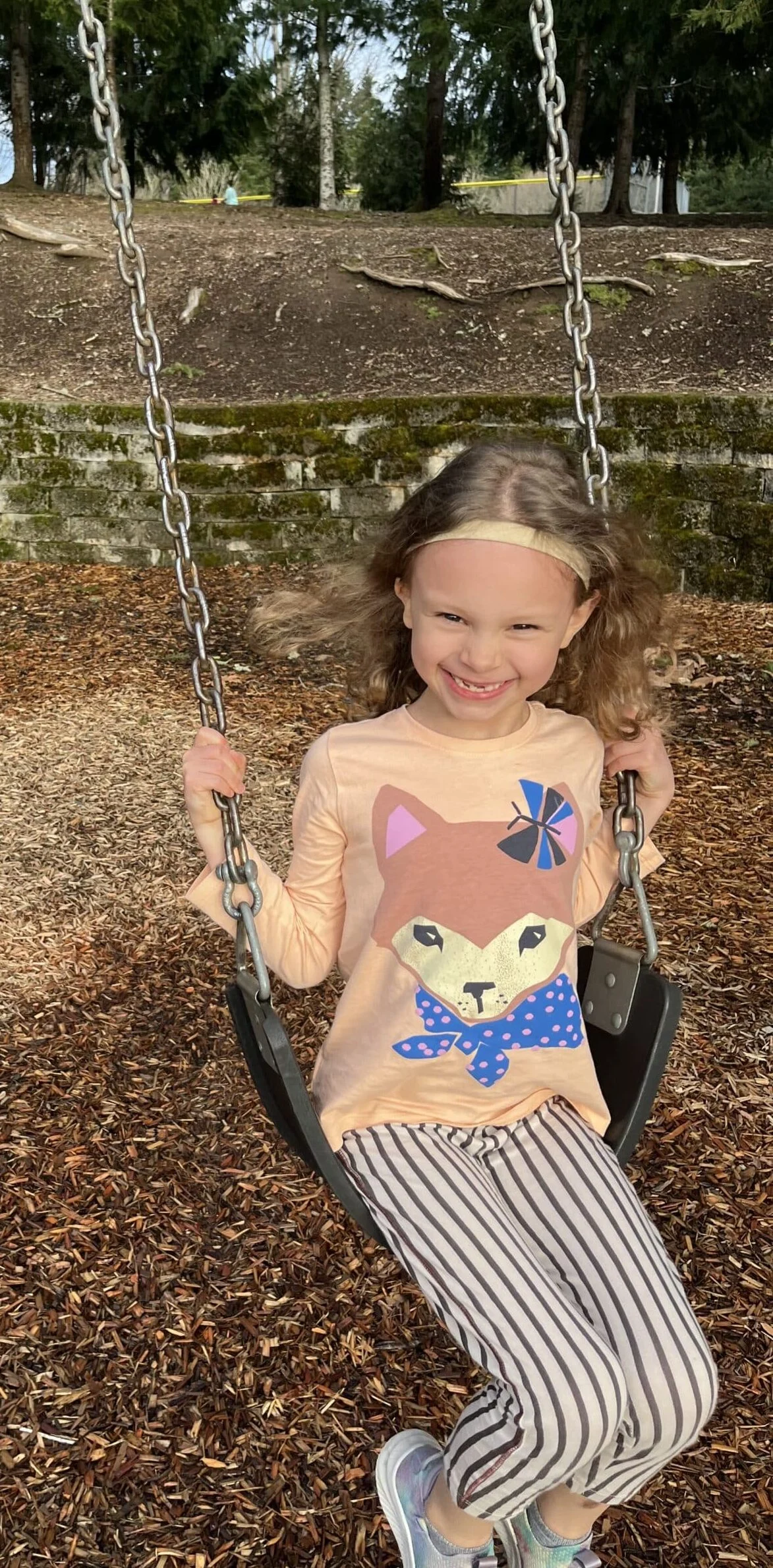
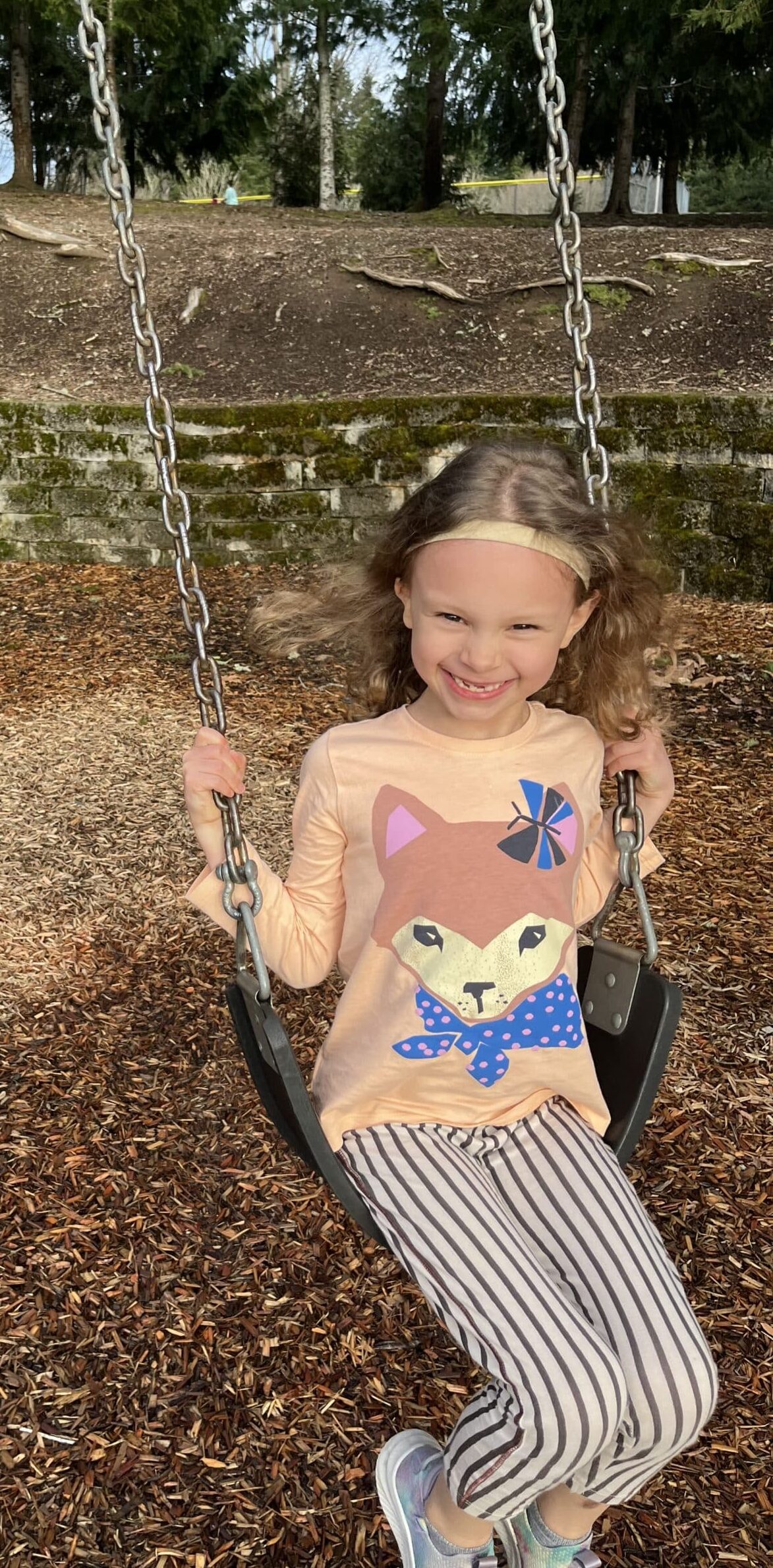
Today, Adeline is a thriving first grader who has successfully integrated into her local public elementary school. Her experience with the choir and her openness regarding her hearing technology are indicators of a successful transition to self-advocacy. This outcome is the intended objective of specialized programs: to move the child from a state of dependence on intervention to a state of independent, confident engagement with the world.
Resources for Families and Future Outlook
For families recently receiving a diagnosis, the landscape of available support can feel overwhelming. Professionals recommend a multi-faceted approach to care:
- Audiological Consultation: Regular monitoring of hearing health and the maintenance of hearing technology are essential.
- Educational Advocacy: Connecting with groups like Washington Hands and Voices provides families with peer-to-peer support and local resources that navigate state-specific educational mandates.
- Informational Literacy: Utilizing resources such as the comprehensive guides provided by organizations like Listen and Talk can help families understand the clinical nuances of their child’s specific condition.
As technology continues to advance—with improvements in bone-conduction implants and digital sound processing—the potential for children with microtia and atresia to thrive continues to grow. However, the most effective tool remains the human element: the combination of early, consistent intervention and a support system that empowers the child to become their own advocate.
The goal of these awareness efforts is captured in the vision shared by advocates: "No child is limited by hearing loss." By continuing to fund and support programs that provide early intervention, speech therapy, and parent education, the community ensures that the next generation of children with microtia and atresia will have the same opportunities for academic and social success as their peers, regardless of their congenital challenges. The success stories emerging from these programs serve as a testament to the resilience of the children and the necessity of specialized, empathetic educational support.