The Genesis of the Legislation: Addressing a Pervasive Veteran Health Challenge
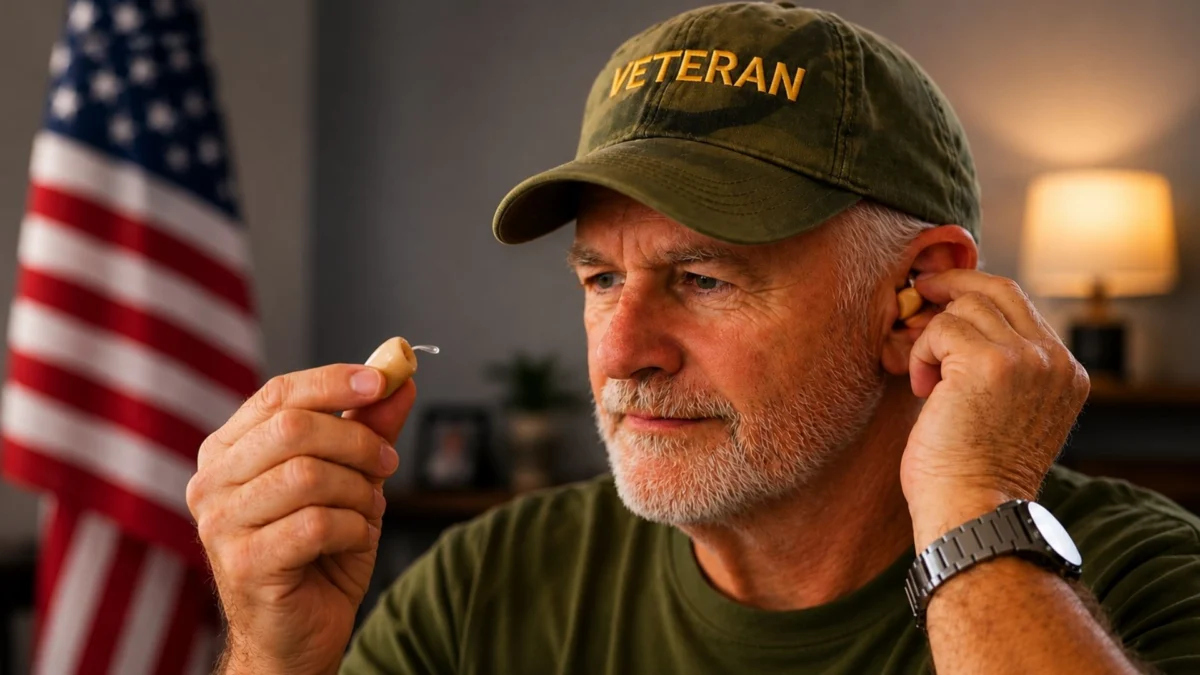
The bill, spearheaded by Representatives Kevin Mullin (D-CA) and Keith Self (R-TX), underscores a growing recognition within Congress of the need to innovate in veteran care. This House measure mirrors companion legislation introduced earlier in the Senate by Sens. Marsha Blackburn (R-TN) and Adam Schiff (D-CA), highlighting broad bipartisan consensus on the issue. At its core, the Veterans Hearing Aid Improvement Act aims to tackle one of the most common service-connected disabilities: hearing loss. According to VA data, hearing-related conditions, including tinnitus and hearing loss, consistently rank among the top disabilities for which veterans receive compensation. As of fiscal year 2022, over 1.3 million veterans received disability compensation for tinnitus, and nearly 1.1 million for hearing loss, making these conditions incredibly prevalent and impactful on veterans’ daily lives.
The profound impact of hearing loss extends beyond mere auditory impairment. It is frequently linked to social isolation, cognitive decline, depression, and an overall reduction in quality of life. For veterans, particularly those returning from service in combat zones where exposure to loud noises is common, the onset of hearing loss can exacerbate mental health challenges such as PTSD, making reintegration into civilian life more difficult. Current VA protocols provide comprehensive hearing care, including evaluations and prescription hearing aids, but these services can be hampered by long wait times for audiology appointments, especially in rural areas, and the significant cost associated with traditional, custom-fitted devices.
Understanding the Pilot Program: Structure and Objectives
The proposed pilot program is meticulously designed to assess the practical application of OTC hearing aids within a structured clinical environment. It mandates the VA Secretary to select at least two VA medical facilities, strategically located within different Veterans Integrated Services Networks (VISNs), to participate. This geographic diversity is crucial for understanding how the program might perform across various demographic and logistical contexts, including areas with limited access to specialized audiology services.
Under the terms of the bill, veterans participating in the pilot would receive FDA-cleared OTC hearing aids under clinical supervision and VA oversight. This critical stipulation ensures that while the devices are "over-the-counter," their deployment within the VA system maintains a level of professional guidance. It acknowledges that even for mild-to-moderate hearing loss, proper diagnosis, fitting, and follow-up care can significantly impact the effectiveness and user satisfaction of hearing aids. The program would require both an interim report and a final report to be submitted to Congress. These reports are tasked with evaluating the program’s overall effectiveness, detailing key findings, and assessing its fiscal impact on the VA budget. Such data will be instrumental in guiding future policy decisions regarding VA coverage and access to OTC hearing aids on a broader scale.
The Broader Context: The Rise of Over-the-Counter Hearing Aids
The introduction of this legislation is not an isolated event but rather a direct response to a significant regulatory shift that occurred in the United States in 2022. That year, the U.S. Food and Drug Administration (FDA) finalized a rule establishing a new category of OTC hearing aids, allowing consumers 18 years and older with perceived mild-to-moderate hearing loss to purchase hearing aids directly, without a medical exam or a prescription. This landmark decision was the culmination of years of advocacy and legislative efforts, notably the Over-the-Counter Hearing Aid Act of 2017, which directed the FDA to create this new category.
The FDA’s ruling was predicated on the understanding that millions of Americans with treatable hearing loss were not seeking help due to barriers like cost and access. Traditional prescription hearing aids can cost thousands of dollars, often not fully covered by private insurance, and require multiple visits to an audiologist. OTC options, typically priced much lower (ranging from a few hundred to a couple of thousand dollars), are designed to be more accessible and affordable, democratizing access to hearing care technology. The VA, by exploring these options, is aligning itself with this national trend, seeking to extend the benefits of this regulatory change to its unique patient population.
Voices of Support: A Unified Front for Veteran Health
The Veterans Hearing Aid Improvement Act has garnered a robust coalition of support, reflecting its broad appeal across various sectors. Veteran advocacy groups, consumer organizations, professional audiology associations, and technology firms have all voiced their endorsement.
U.S. Rep. Kevin Mullin (D-CA) emphasized the personal and societal benefits, stating, "I know firsthand how essential hearing aids are for people with hearing loss to stay connected to their families, their communities, and the world around them. Our veterans deserve reliable access to high-quality hearing care and the support they need to live healthy, independent lives after their service." This sentiment highlights the human element of the legislation, focusing on the profound impact hearing has on social engagement and overall well-being.
Congressman Keith Self (R-TX) underscored the economic and efficiency aspects, noting, "By evaluating lower cost hearing aid options that can still deliver strong results, we have the opportunity to improve healthcare and access to treatment, all while reducing costs for the VA." This perspective points to the potential for fiscal responsibility without compromising care quality, a crucial consideration for a large federal agency like the VA.
Among the supporting organizations are:
- The American Legion and Vietnam Veterans of America: These prominent veteran service organizations advocate for the welfare of veterans, recognizing that improved hearing access directly translates to better quality of life and reduced isolation for their members. They see OTC options as a way to circumvent existing bureaucratic hurdles and get essential tools into veterans’ hands faster.
- Concerned Veterans for America: This group’s support often centers on efficiency and veteran choice within the VA system, aligning with the bill’s aim to provide more accessible and potentially lower-cost options.
- Hearing Loss Association of America (HLAA): As a leading consumer advocacy group for people with hearing loss, HLAA sees the legislation as a natural extension of the FDA’s OTC ruling. Barbara Kelley, Executive Director of HLAA, stated, "By allowing the Department of Veterans Affairs to evaluate the use of FDA-approved, self-fitting over-the-counter hearing aids, this legislation offers a practical solution that could expand access, reduce costs, and empower veterans to take an active role in managing their hearing health." This highlights the empowerment aspect, allowing veterans more agency in their healthcare journey.
- American Speech-Language-Hearing Association (ASHA) and Academy of Doctors of Audiology (ADA): The support from these professional audiology organizations is particularly significant. While traditional audiology practices might view OTC devices as a potential threat, these groups recognize the reality of market shifts and the importance of ensuring professional involvement. Jill Davis, AuD, President of the Academy of Doctors of Audiology, emphasized, "Authorizing audiologists to make clinical determinations about the appropriateness of OTC hearing aids for their veteran patients will support innovation and flexibility, while maintaining necessary safeguards." This indicates a willingness to adapt and integrate new technologies while upholding professional standards and patient safety.
- AARP and Consumer Technology Association (CTA): These organizations represent broader consumer and industry interests. AARP’s involvement reflects the demographic reality that hearing loss disproportionately affects older adults, making accessible solutions a priority. CTA’s support underscores the technology industry’s role in developing innovative health solutions and its interest in seeing these innovations adopted by large healthcare systems.
Potential Benefits and Lingering Considerations
If successful, the pilot program promises several significant benefits. Foremost among them is the expansion of access. For veterans residing in rural areas, where VA audiology clinics may be scarce or distant, or for those facing lengthy appointment wait times, OTC hearing aids could provide a quicker and more convenient solution for mild-to-moderate hearing loss. This faster intervention could prevent the progression of social isolation and cognitive decline often associated with untreated hearing loss.
Furthermore, the initiative holds the potential for cost reduction for the VA. While the VA currently covers the full cost of prescription hearing aids for eligible veterans, these devices are considerably more expensive than their OTC counterparts. By integrating lower-cost OTC options for appropriate cases, the VA could realize substantial savings, freeing up resources for other critical veteran services. This fiscal efficiency aligns with broader efforts to ensure the long-term sustainability of VA healthcare.
The "clinical supervision" aspect of the pilot is crucial. It differentiates this VA program from simply directing veterans to buy OTC devices off the shelf. VA audiologists would likely play a vital role in screening veterans, determining if their hearing loss is indeed mild-to-moderate and appropriate for OTC devices, guiding them through selection and initial fitting, and providing follow-up support. This blended approach could ensure that veterans still receive professional guidance, minimizing the risks associated with self-diagnosis and improper use, while still benefiting from the convenience and cost-effectiveness of OTC options.
However, the implementation will also bring certain considerations. The distinction between "mild-to-moderate" and more severe hearing loss, and the presence of underlying medical conditions, will require careful evaluation. Ensuring veterans understand the limitations of OTC devices and when professional intervention is still necessary will be paramount. The pilot’s success will heavily depend on robust data collection regarding user satisfaction, long-term effectiveness, and the impact on VA audiology caseloads.
Implications for the Future of VA Healthcare
The Veterans Hearing Aid Improvement Act represents more than just a bill about hearing aids; it signifies a forward-looking approach to healthcare delivery within the VA. It embodies a willingness to embrace technological innovation and consumer-driven solutions to meet the evolving needs of the veteran population. Should the pilot prove successful, it could set a precedent for the integration of other consumer health technologies into the VA system, potentially revolutionizing how veterans access care for a range of conditions.
The reports mandated by the bill – the interim and final assessments of effectiveness, findings, and fiscal impact – will be critical. They will provide empirical data to inform future legislative and administrative decisions, potentially paving the way for a permanent program that makes OTC hearing aids a standard option within the VA’s comprehensive hearing care offerings. This initiative could solidify the VA’s position as a leader in innovative, accessible, and veteran-centric healthcare, ultimately enhancing the quality of life for millions who have honorably served the nation.
Source: Office of Kevin Mullin